

 admin
admin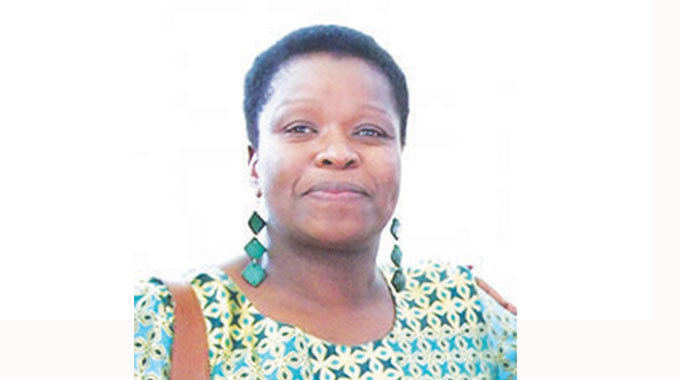
Pamela Shumba, Senior Reporter
The National Peace and Reconciliation Commission (NPRC) will soon engage Government officials to facilitate collective efforts in the ongoing healing process, Commissioner Netty Musanhu has said.
The commission yesterday concluded its women’s and stakeholders meetings in Matabeleland.
The wellness and safe spaces for women’s meetings led by Commissioner Musanhu, who is responsible for victim support and gender diversity, were meant to afford women the opportunity to share openly their experiences in a comfortable environment.
Stakeholders meetings, which involved civic society and other partners were being held after the women’s meetings.
Speaking after the last meeting at Entumbane Hall in Bulawayo yesterday, Commissioner Musanhu said there were concerns from members of the public about Government officials who exhibited a different stance on the national healing process.
“I’m aware of the conflicting statements by Government officials and consistently this has been raised as one of the concerns by the victims and stakeholders in the different provinces.
“We’ll engage the Government officials and urge them to be responsible in their utterances because it takes people back to the violent conflicts that they have suffered,” said Commissioner Musanhu.
She said one of their recommendations as NPRC was action, adding that they will engage on the issue so that they create an environment that breeds trust between victims and the commission.
Commissioner Musanhu said it was important for the NPRC, the Government and other partners to collectively demonstrate that they were serious about resolving the country’s violent past.
She said while she understood the affected people’s anger, it was important for them to trust the commission because the commission was sincere and committed to resolving conflicts that have made it difficult for people to move on with their lives.
“Most of the affected people have raised concerns in terms of the seriousness of the NPRC. They feel that the national healing process is taking too long but let’s remember that the NPRC Act was promulgated on January 25, 2018 and the commission has since then covered a lot of ground.
“In the last month we were setting up peace committees and I’m here engaging women, the most affected group, to develop guidelines so that even as we engage through hearings and other forums we are aware of what women have gone through and what they require for them to feel safe to engage with the commission,” said Commissioner Musanhu.
She said the commission would do more harm if it rushes the process without knowing what needs to put in place.
“People have to trust the process and they have to trust the commissioners. If they’re afraid nothing will come out. We’re trying to develop all the mechanisms to ensure that we do the best we can as a commission.
“We already have a national thematic committee and we’re immediately setting up southern thematic committees for victims support. A lot of work has been put in place by our partners to heal our nation. The commission is therefore not coming to replace those efforts but to bring all the efforts together,” said Commissioner Musanhu.
She said the NPRC was sincere and was committed to bringing peaceful resolutions to the past conflicts to allow for healing and closure.
“The last round of the consultations in Matabeleland province was in Bulawayo and it was the most heart rending and emotional time of my life.
“No one deserves to go through what some of the women went through and I think as a nation we owe it to ourselves to ensure that we create safe spaces for truth telling and engage with our emotional past,” said Commissioner Musanhu.
She said the women’s meetings revealed to her that the nation has left it for too long but insisted that there was an opportunity to engage and resolve the conflicts.
Commissioner Musanhu said people were extremely angry and emotional and said if nothing was done, the future could be difficult.
The commission, she said, has no capacity to provide all the services that the victims require such as legal and psychosocial support.
“When we go for hearings we are accompanied by these organisations that are already rooted in the communities and have special skills and expertise to facilitate healing,” said Commissioner Musanhu.
Community members who attended the meetings said for the healing process to be smoothly facilitated, it was important for the Government to acknowledge its faults, compensate the affected families and individuals as well as facilitate the issuance of death certificates, birth certificates and national identity cards to those affected. — @pamelashumba.


 Online Reporter