admin
admin
Herald Reporter
The National Peace and Reconciliation Commission (NPRC) is planning to ensure that the 2023 elections will be peaceful.
Peace committees or members of NPRC will be looking for challenges on the ground and educating people on the importance of maintaining peace.
Political parties have started making preparations for the 2023 elections, with most of them embarking on restructuring.
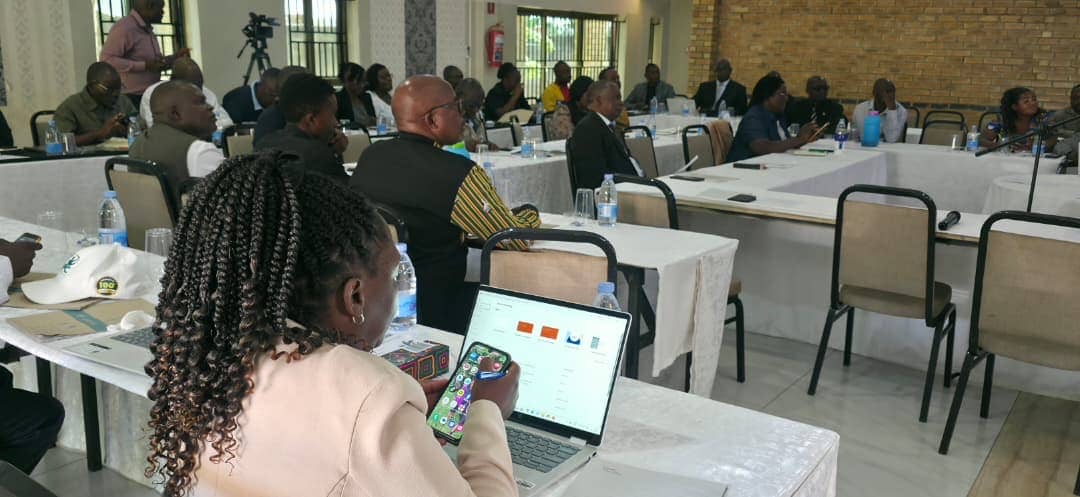
Speaking in an interview on the sidelines of the committee meeting, deputy chairperson of NPRC Commissioner Lillian Chigwedere said there was need to continue working and facilitating peace.
“The purpose of these meetings is to allow members of the peace committees to look at their province and find some of their challenges and see how they can strategise in the upcoming elections,” she said.
“Currently, there is an increasing shift in focus to the 2023 elections.”
Comm Chigwedere said these meetings were a perfect opportunity to reflect on the challenges and experiences that the peace committees had encountered so that the nation can strengthen the institutions to effectively promote unity, peace, healing and reconciliation.
Comm Chigwedere urged people to reduce polarisation, minimise hate speech, even on social media.
“As members of the commission, we should be the first to counter such speech and promote love and respect,” she said.
“We should be the first to condemn divisive political and resource based conflicts and facilitate closure to past national conflicts, restore trust and confidence.”
The NPRC was established to facilitate dialogues in resolving past conflicts and guarantee a future of non-recurrence.
Resolutions of conflicts will lead to the promotion of healing, reconciliation and ultimately peace in the country.
Zimbabwe needs peace in order to achieve the vision of an empowered upper middle income society by 2030.
The NPRC is a constitutional body formed as a mechanism for resolving past conflicts and building national and sub-national capacities that guarantee a future of peace and reconciliation.
It was established under sections 251 to 253 of the Constitution to ensure post-conflict justice, healing and reconciliation, to develop programmes to promote national healing, unity and peaceful conflict resolution.


 Online Reporter