Online Reporter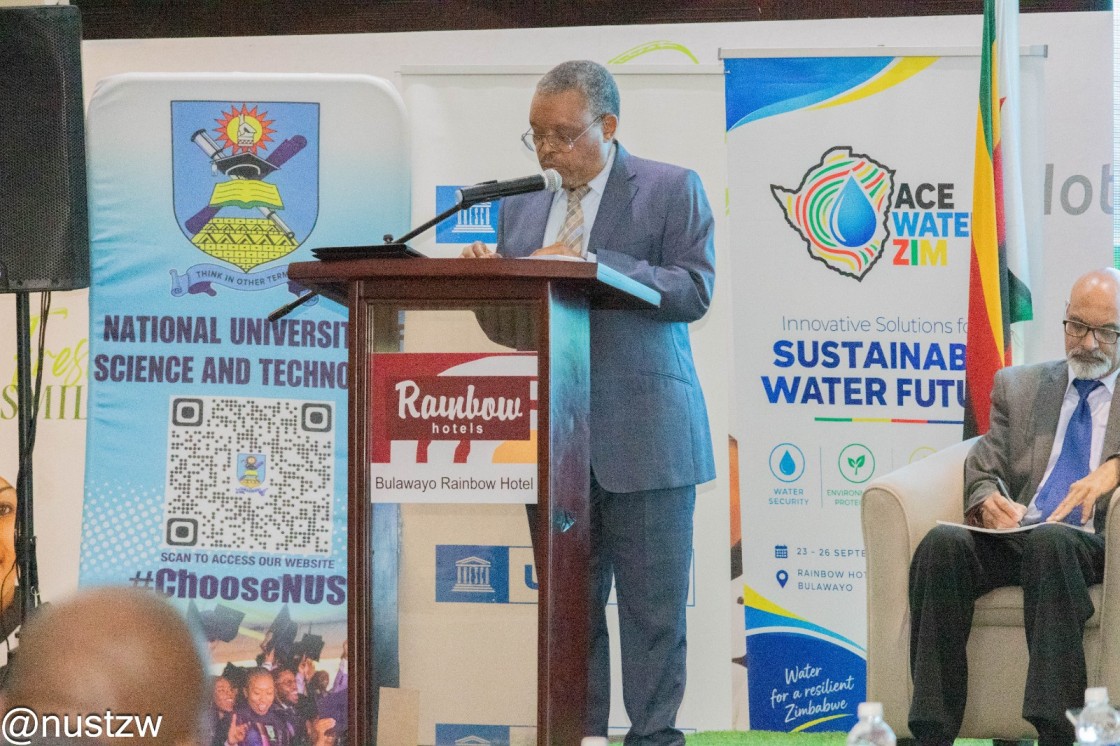
Chronicle Reporter
THE Zimbabwe Water Indaba kicked off in Bulawayo on Wednesday morning amid calls for more collaboration, innovation and investment in water management to build a water-secure and climate-resilient Zimbabwe.
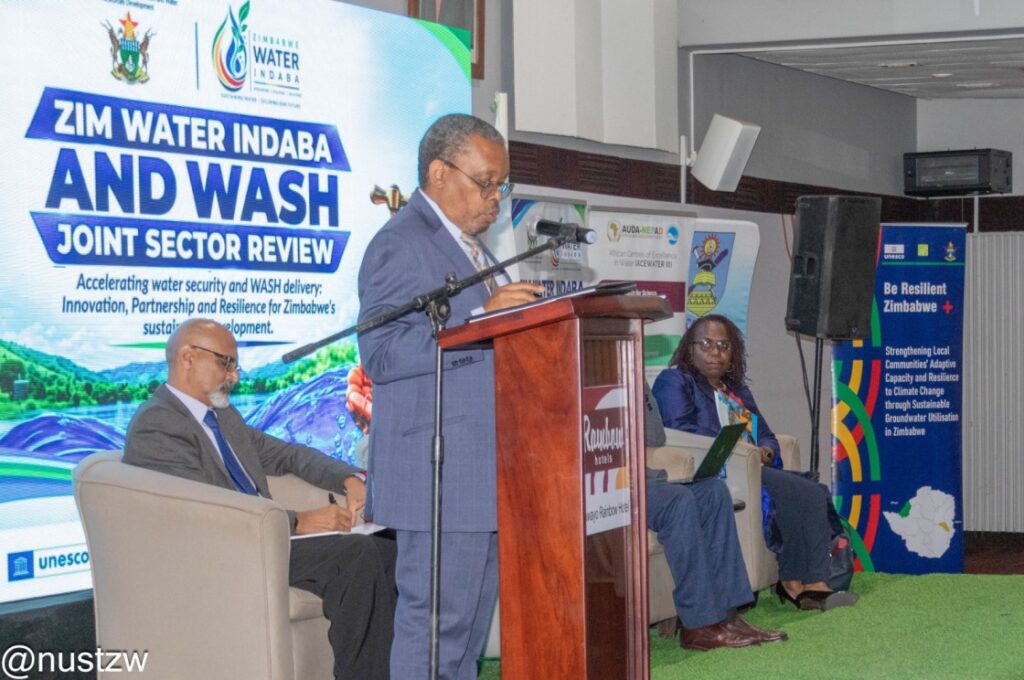
In his opening remarks, National University of Science and Technology (NUST) Vice-Chancellor Professor Mqhele Dlodlo said sustainable water management is crucial to the country’s socio-economic development.
He warned that climate change, population growth, urbanisation and infrastructure deficits continued to place increasing pressure on water systems.
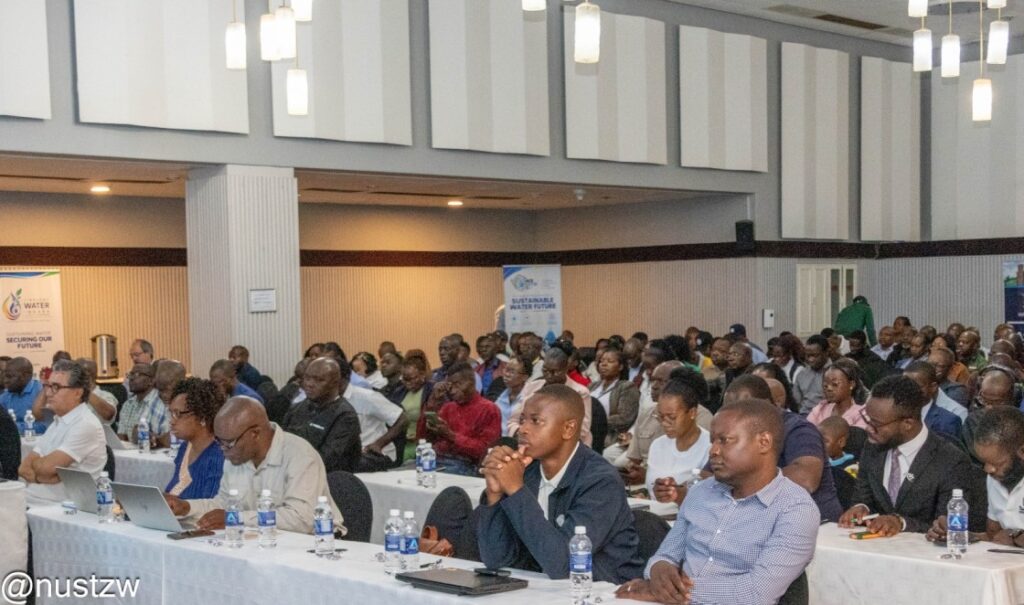
The Indaba is being held under the theme “Building Zimbabwe’s Water Future: Innovation, Collaboration and Action for Sustainable Water Security” and brings together policymakers, researchers, development partners, the private sector, communities and young people to deliberate on the country’s water challenges and opportunities.
Prof Dlodlo said water should be viewed as a strategic driver of national development rather than merely a natural resource.
“Water is not merely a natural resource. It is a strategic enabler of development and a foundation upon which health, food security, energy production, industrial growth, environmental sustainability and human well-being depend,” he said.
Prof Dlodlo added that meaningful progress towards Zimbabwe’s national development aspirations could not be achieved without reliable and sustainable access to water.
He said the combined effects of climate change, population growth, urbanisation, environmental degradation and infrastructure deficits required the country to rethink traditional approaches to water management.
“These realities compel us to rethink traditional approaches and embrace innovative, integrated and forward-looking solutions,” said Prof Dlodlo.
The NUST vice-chancellor said the Water Indaba provided an opportunity to move beyond dialogue and promote practical interventions, partnerships, investment and policy innovation to address current water challenges and prepare for future risks.
He emphasised the interconnectedness of water security with various sectors of the economy, including agriculture, energy, sanitation and environmental management.
“The central message remains the same: sustainable water management is fundamental to sustainable development,” said Prof Dlodlo.
He said discussions at the Indaba should consider water security and climate resilience alongside water and sanitation services, agricultural productivity, energy systems, governance frameworks and opportunities in the circular economy through wastewater management.
Prof Dlodlo said higher education institutions had a critical role to play in generating evidence-based solutions, promoting innovation and developing the human capital required to address Zimbabwe’s water challenges.
“As a university committed to advancing knowledge, innovation and societal impact, NUST firmly believes that higher education institutions have a critical role to play in generating evidence-based solutions, fostering innovation, building human capital, and supporting informed policymaking,” he said.
Prof Dlodlo highlighted the university’s ACEWATER III Project and research agenda as part of its commitment to contributing to national and regional efforts aimed at improving water security and climate resilience.