Online Reporter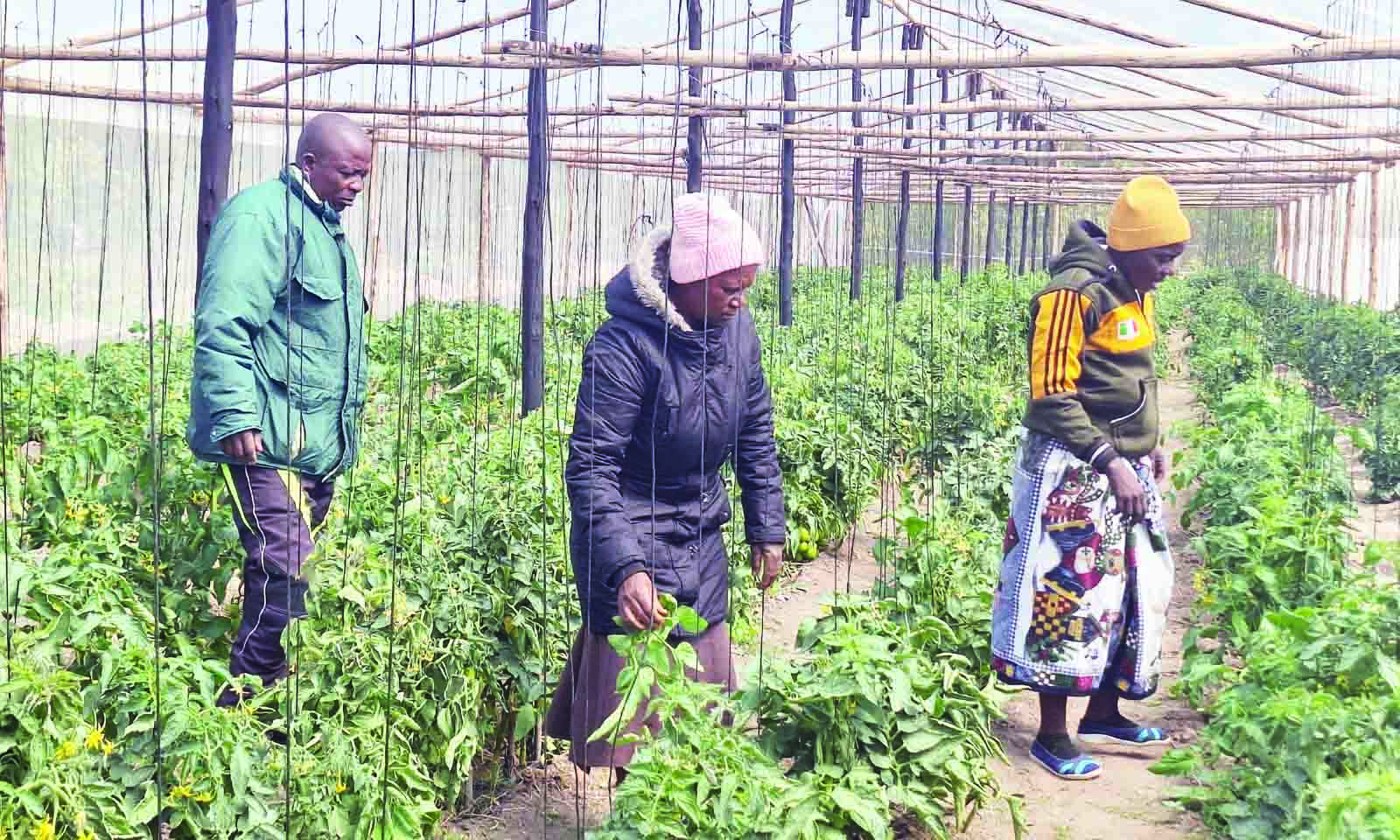
Rumbidzayi Zinyuke in CHIPINGE
A WOMEN-LED nutrition garden in Mawunga Village in Chipinge East is transforming the lives of women by reducing gender-based violence (GBV) and improving household livelihoods through agricultural and financial empowerment, in line with the Government’s drive to promote rural industrialisation and community development.
Established in 2013 with 30 members, Batanai Garden has grown into a thriving initiative with 85 women actively cultivating crops such as tomatoes, covo, onions and beans.
The project is now being credited with helping women gain financial independence and reducing their dependence on spouses, a key factor previously fuelling domestic disputes.
For many women in Mawunga, poverty had been the biggest trigger for GBV.
Batanai garden secretary Mrs Thandiwe Nyowani said the project had brought far-reaching changes in the community.
“When this project started, it was expected to help address some of the challenges many women were facing in the community, particularly domestic violence. Over the years, we have witnessed the benefits. We now see fewer couples fighting in their homes because the women now work and earn their own money, they don’t depend on their husbands. That has significantly helped reduce tensions at home,” she said.
Another member, Ms Lydia Makuyana, said she suffered abuse in the early years of her marriage.
“When I got married in 2012, my husband and I had no stable income. We were still very young and he would spend money on alcohol and other unimportant things. When I asked why he didn’t buy food; he would assault me. When the garden started in 2013, I joined and began working with other women. I spent more time there and when I went home, there was no time for fights. I was also contributing money, so there was less pressure on him,” she said.
Ms Thokozani Mhlanga said her experience in the garden helped her escape financial dependency.
“Domestic violence was rife in this area and mostly it was because of poverty. When I joined the garden, I started making my own money and I didn’t need to ask my husband for small things like bread or tomatoes. Even my husband is now happy because I am helping him take care of the family,” she said.
The women are working in partnership with the Ministries of Lands, Agriculture, Fisheries, Water and Rural Development, Women Affairs, Community, Small and Medium Enterprise Development, Health and Child Care, Primary and Secondary Education and other development partners under the District Food and Nutrition Security Committees (DFNSCs).
These multi-sectoral committees coordinate community-level efforts to improve nutrition, food security, and gender equity.
Batanai garden is also aligned with Government’s Village Business Units (VBUs) model, which seeks to build rural economies by turning agricultural activities into viable enterprises. Through VBUs, communities receive technical training, start-up inputs, and access to markets in order to support national goals under the Agriculture and Food Systems Transformation Strategy and Vision 2030.
Ward 19 agricultural extension officer Mr Consten Zhande said the women at Batanai garden were being supported with training in climate-smart agriculture and nutrition.
“We have 85 women working in the garden and we are assisting them to grow various crops. We train them on how best to grow their crops and add nutritional value. Since they started, they have managed to sell some of their produce while the rest is consumed at home,” he said.
The positive changes seen in Mawunga come as Zimbabwe continues to grapple with high levels of gender-based violence. According to the World Bank, nearly 40 percent of women in Zimbabwe have experienced physical violence, while 11,6 percent have endured sexual violence.
Government has adopted the National GBV Strategy 2023–2030, which aims to reduce GBV prevalence by 30 percent by the end of the decade. The strategy also recognises the importance of economically empowering women to reduce their vulnerability to violence.
Community-based projects like the Batanai garden, are now critical vehicles for achieving both gender equality and rural economic growth.