Online Reporter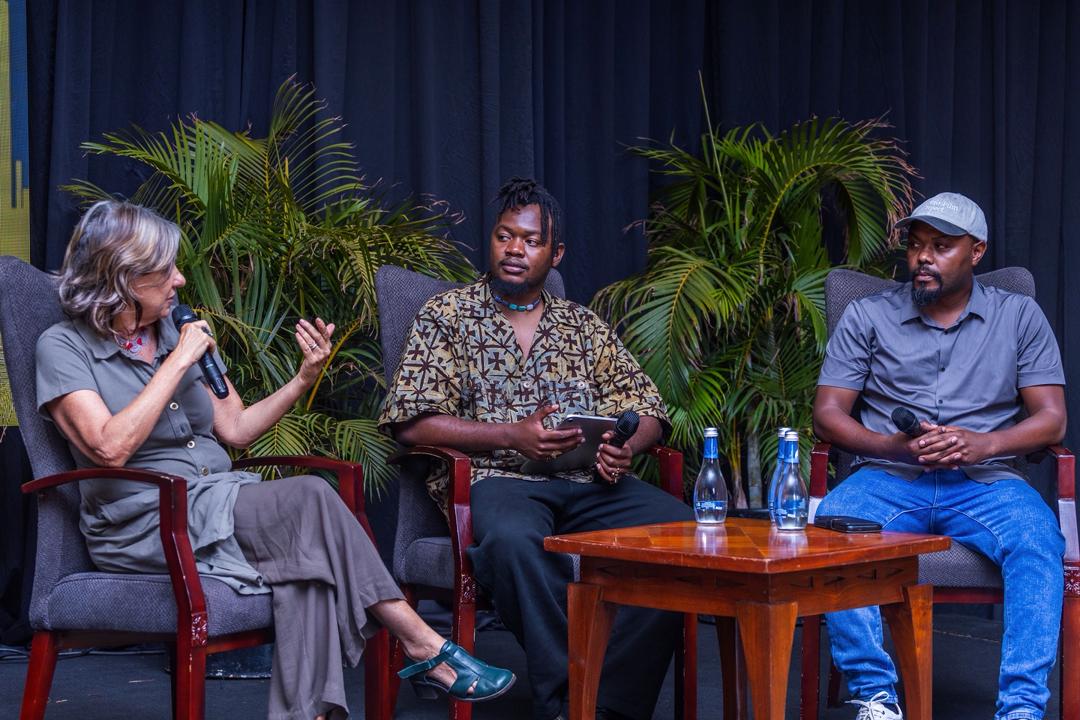
Mbulelo Mpofu [email protected]
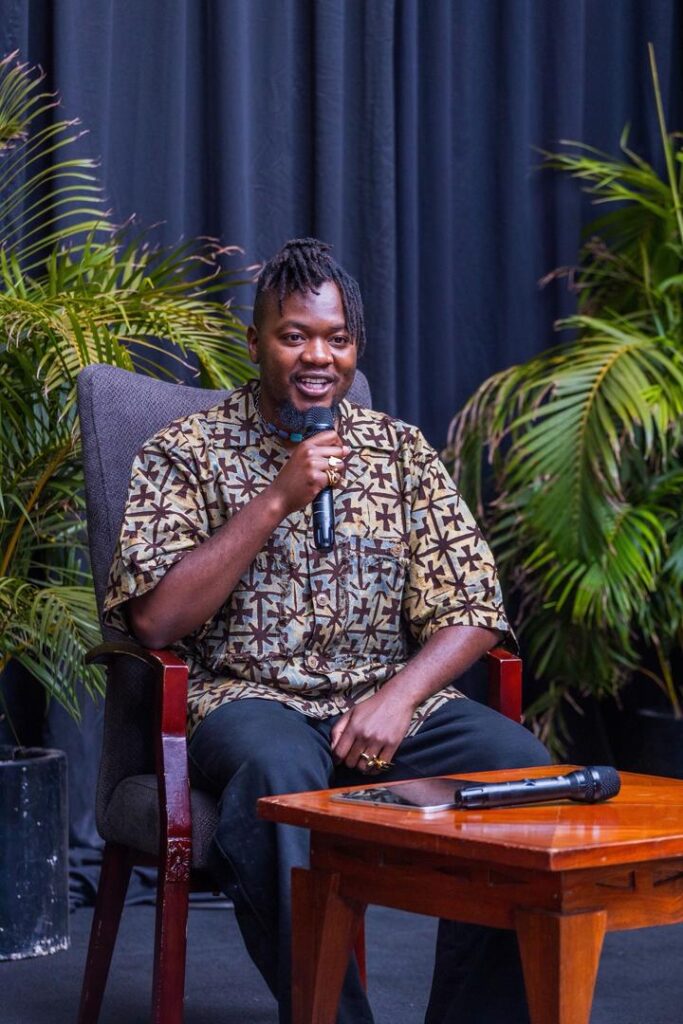
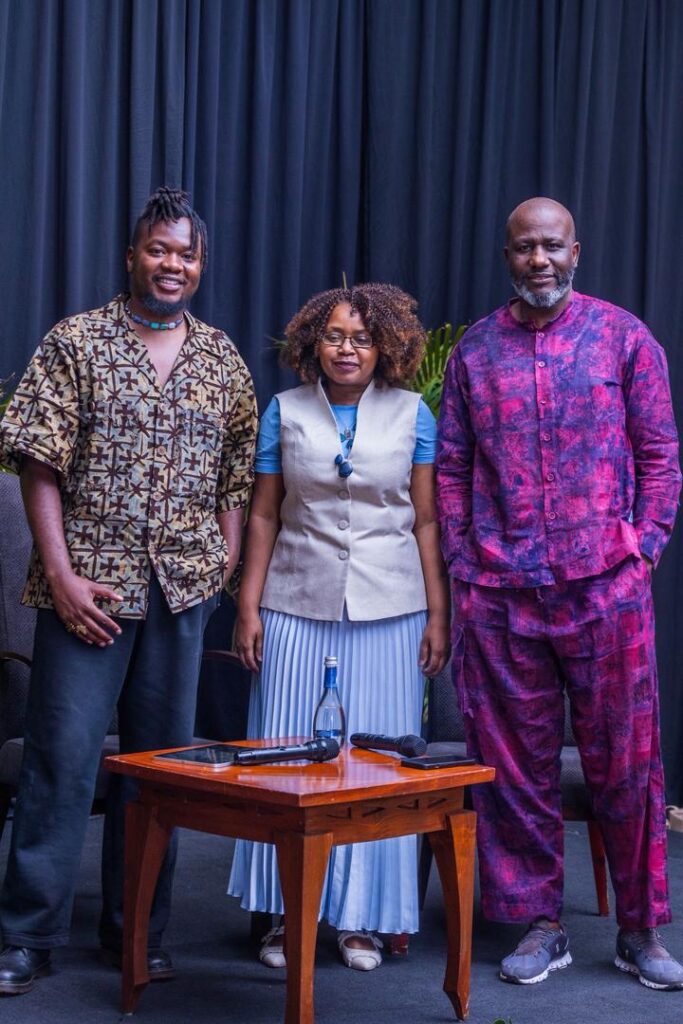
ZIMBABWEAN creative entrepreneur, cultural consultant, editor and international speaker Usher Takudzwa Nyambi has taken the country’s creative economy conversation to Kigali, Rwanda, where he joined leading practitioners, entrepreneurs, policymakers, investors and cultural leaders at the 2026 Africa Creative Economy & Investment Forum (ACEIF).
Hosted by Pan-African initiative Africa in Colours, ACEIF 2026 ran from August 23 to 30, bringing together stakeholders from across Africa and the global creative ecosystem to examine ways of strengthening collaboration, investment, innovation and sustainable growth in the continent’s cultural and creative industries.
Nyambi’s participation at the forum adds to his growing profile as one of Zimbabwe’s emerging voices in discussions around the future of Africa’s creative economy, while providing an opportunity to place Zimbabwean creative talent, cultural identity and cities within broader continental conversations.
The forum, founded around the need to strengthen Africa’s creative ecosystem, featured masterclasses, creation labs, professional engagements, policy conversations, panel discussions, networking sessions, exhibitions, tours, business-to-business meetings and deal rooms.
At the heart of this year’s programme was a focus on cities of the future and the role culture and creativity can play in making African cities more innovative, liveable and economically vibrant.
For Nyambi, that conversation is particularly relevant at a time when African cities are increasingly competing to attract talent, tourists, investment, cultural events and international audiences.
He believes culture should no longer be viewed simply through the lens of entertainment, but as a strategic economic resource capable of generating employment, attracting investment, strengthening identities and creating new opportunities for young people.
“Africa’s creative economy is one of the most powerful tools we have to tell our own stories, create opportunities for young people and position our cities on the global stage. Our culture is already generating value; the next step is building the infrastructure, investment and partnerships that allow that value to grow sustainably,” said Nyambi.
The sentiments mirror the broader objectives of ACEIF, which seeks to demonstrate the contribution of culture and creative industries to Africa’s social and economic development while creating spaces where ideas can translate into meaningful partnerships and investment opportunities.
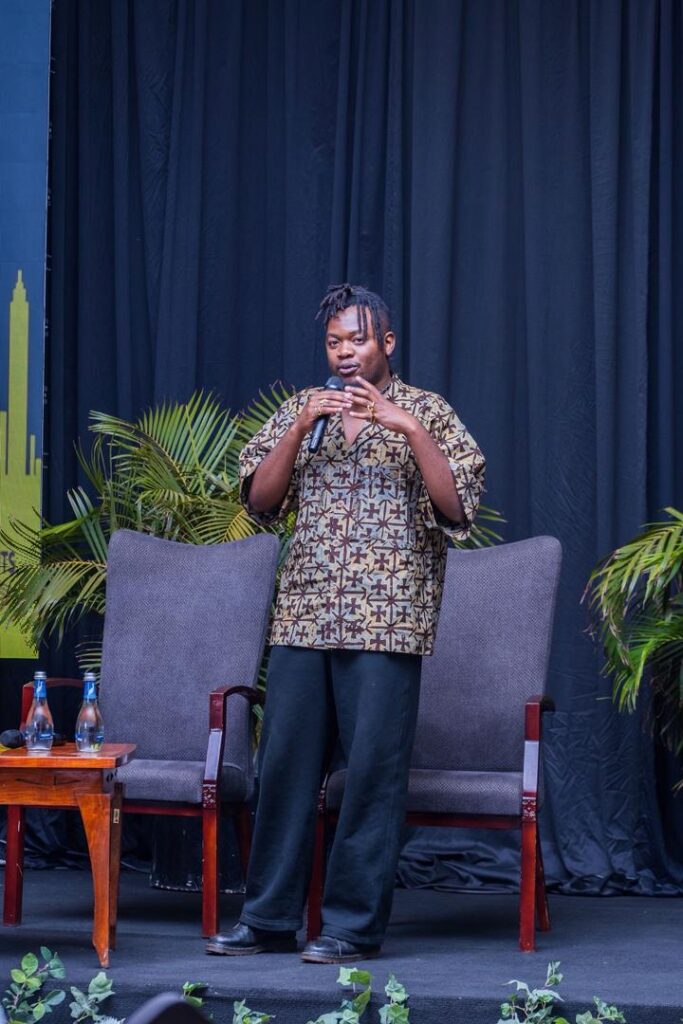
For Zimbabwe, Nyambi’s participation also brings renewed attention to the need for the country’s creative practitioners to establish stronger connections with regional and international markets.
Through his agency, Nyambi works at the intersection of culture, media and communications, helping connect African talent, institutions and stories with audiences and markets across the continent.
His portfolio stretches across journalism, cultural communications, creative entrepreneurship and international development, giving him a multidisciplinary perspective on the opportunities and challenges confronting Africa’s creative sector.
He previously served as Southern African Editor of Rolling Stone Africa, while his journalism and cultural work has appeared on platforms including GQ, Glamour South Africa, Trace, BBC 1Xtra, OkayAfrica, Men’s Health and Hypebeast Africa.
His professional experience has also taken him to some of the continent’s major cultural and sporting events, including the Trace Awards, South African Fashion Week and the NBA Basketball Africa League (BAL) Finals.
Beyond his work in media and communications, Nyambi has established himself as a contributor to conversations about Africa’s creative industries through speaking engagements across the continent.
He has participated in platforms such as Mozambique Fashion Week, Africa Live Entertainment Conference, Entertainment Week Africa, ACCES, Africa Rising Music Conference, Zimbabwe Fashion Week, Harare International Literature Festival, Music Imbizo and engagements at the University of the Witwatersrand.
His presence at ACEIF therefore represents another chapter in an increasingly continental career that has seen him move between journalism, communications, cultural consultancy, entrepreneurship and international engagement.
Nyambi said Zimbabwe possessed a strong cultural identity and considerable creative talent, but stressed the importance of building pathways through which local practitioners can access wider markets.
“Zimbabwe has an incredible creative identity and an abundance of talent. We need to continue creating pathways for that talent to access regional and international markets while positioning our cities as destinations for culture, creativity and investment,” he said.
“Forums like ACEIF are important because they create the room for those conversations and, more importantly, for partnerships to emerge from them.”
His comments speak to one of the major challenges facing Zimbabwe’s creative economy – moving from the production of talent and cultural content towards stronger commercial ecosystems capable of sustaining creatives and attracting investment.
While Zimbabwe has a long history of producing musicians, filmmakers, writers, designers, visual artists, performers and other creative practitioners, access to finance, infrastructure, markets and professional networks remains critical to the sector’s growth.
Regional platforms such as ACEIF provide an opportunity for Zimbabwean practitioners to engage with counterparts from other African markets, learn from different creative-economy models and explore collaborations that extend beyond national borders.
Nyambi’s PR work has similarly sought to build bridges between Zimbabwe and the wider African creative economy.
The agency has worked with artists, corporates and diplomatic institutions, including the United States Embassy in Zimbabwe and the British Council, placing culture and communications at the centre of cross-border engagement.
His involvement in Kigali consequently goes beyond personal professional development, highlighting the potential for Zimbabwean creative-sector representatives to participate more actively in continental economic and policy conversations.
The Africa in Colours initiative, headquartered in Kigali and founded by Raoul Rugamba, was established to rethink and strengthen Africa’s culture and creative industry ecosystem.
Its work focuses on sustainable jobs and revenues, infrastructure, technology, collaboration and access to finance. Its evolving agenda reflects the growing recognition that Africa’s creative industries require more than artistic talent to thrive; they also need sustainable business models, enabling infrastructure, technological solutions and investment.
ACEIF was created as an annual gathering to bring together stakeholders committed to building that stronger ecosystem.
By convening creatives alongside investors, policymakers, institutions, media and entrepreneurs, the forum seeks to close some of the gaps between creativity and capital while creating opportunities for new partnerships.
For Zimbabwe, such conversations could prove increasingly significant as cities seek to strengthen their cultural identities while contributing to economic development.
The focus on creative cities is particularly pertinent as urban centres across Africa look towards culture as a means of differentiating themselves, stimulating tourism, attracting events and creating new forms of employment for young people.
Nyambi’s intervention at ACEIF placed Zimbabwe within that wider conversation, advocating for a creative economy in which African stories are not only preserved and celebrated, but also properly valued.
His career embodies that intersection.
As an International Relations graduate from Africa University, Nyambi has built a professional footprint spanning Africa, Europe and America. His work has appeared across international and African media platforms, while his involvement in the Recording Academy and Forbes BLK further reflects his engagement with global creative and professional networks.
As Africa’s creative economy continues to evolve, voices such as Nyambi’s are increasingly important in connecting local realities with continental ambitions.
His participation in Kigali underscores the need for Zimbabwe to remain part of the conversations shaping Africa’s creative future – not merely as a source of talent and culture, but as an active participant in building the infrastructure, partnerships, investment models and markets needed to turn creativity into sustainable economic opportunity.
For Nyambi, the message is clear: Zimbabwe has stories, talent and cultural capital in abundance. The next challenge is building the bridges that allow that value to travel further, generate greater economic returns and position the country’s creative cities and practitioners firmly within Africa’s expanding creative economy.
– Follow on X@MbuleloMpofu