Online Reporter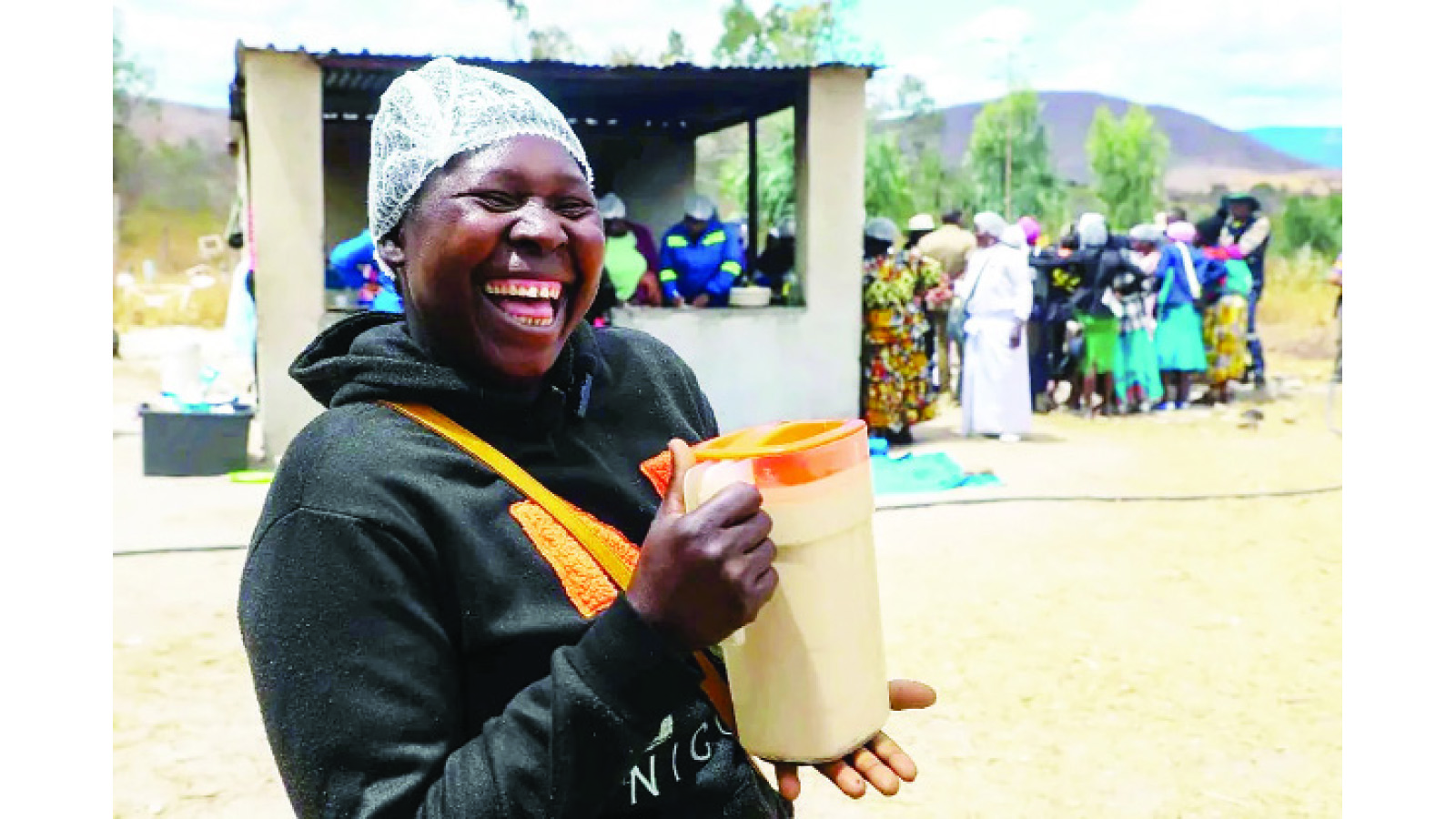
Theseus Shambare-Features Writer
IN the green valleys of Nyanga in the Eastern Highlands of Manicaland Province, women and youths are turning beans into nutritious yoghurts and meals that promise both good health and income.
The morning sun bathed the green valleys of Nyanga in gold, lighting up endless rows of high-iron bean plants swaying gently in the mountain breeze.
For the farmers gathered at Samanyika Primary School recently, those lush fields were more than crops.
They were fields of hope, ready to be harvested not just for food, but for opportunity. Under the Technologies for African Agricultural Transformation (TAAT II) programme, led by the Ministry of Lands, Agriculture, Fisheries, Water and Rural Development through the Directorate of Research, Education and Specialist Services (D’RESS), in partnership with Cluster Agricultural Development Services (CADS), over 100 women and youths came together to discover a new chapter in bean farming.
They were not just learning how to grow beans better, but how to transform them from soil to spoon, and from harvest to household enterprise.
For years, beans were a familiar comfort on rural tables — boiled, salted and served with sadza.
But in the Nyanga community, that simple tradition is being rewritten. Women who once sold raw beans by the bucket now stir new recipes with an aroma of ambition and possibility.
Bester Nyakapanga from Nyamaropa was among them, proudly whisking her homemade high-iron bean yoghurt, a creamy mix of flour, milk and sugar.
“We learnt to make bean yoghurt that tastes just like the ones in supermarkets,” she said.
“Now I want to improve my farming and add value, so that I can sell my own products.”
Nearby, Ester Mwashita stirred a pot of roasted bean powder mixed with baobab and ginger, a fragrant drink bubbling with invention.
“I never thought beans could make a beverage,” she said.
“You just mix the roasted powder with water, add sugar and flavour it how you like. It is delicious and healthy.”
As the women lined up their creations, curiosity filled the air. Children peeked over shoulders and men edged closer.
When the first spoonfuls were offered, no one could resist. Laughter erupted as everyone dipped fingers into the smooth bean yoghurt and licked them clean, marvelling that something so ordinary could taste so good.
“We should have been taught these recipes long ago,” said Jane Samanga from Mavadza Village, serving her plate of jambalaya, a colourful mix of beans, roasted onions, tomatoes and potatoes.
“It is delicious; it is healthy, and it is ours.”
Each recipe carried a story of rediscovery, nourishment, and pride.
Ednah Murenzvi said the training opened her mind to new possibilities beyond the plate.
“Growing up, we just boiled beans and ate them,” she said.
“Now I see that with high-iron beans like NUA45, we can make yoghurts, fritters, and even bean balls. It is empowering for us as women and for our families.”
At the edge of the crowd, Shyley Tsekenedza, a bean breeder under D’RESS, watched with satisfaction.
“High-iron beans are not just a crop,” she said.
“They are a bridge between nutrition and income — a way to fight hidden hunger while building stronger households.”
She explained that varieties such as NUA45, NUA674, sweet violet and jasmine are specially bred for nutrition and resilience.
Her words connected the green fields outside with the delicious experiments inside.
The lush bean plants in Samanyika’s gardens were not just growing food. They were growing dreams.
Mrs Charity Gumiso, the host farmer and seed multiplier in Ward 13, put it plainly.
“From every hectare, we get about a tonne,” she said. “At US$1,60 a kilogramme, that is US$1 600 per hectare.
“With better seed, we are seeing bigger yields. This project has truly changed our livelihoods.”
For the farmers, those figures are more than arithmetic but hope translated into harvest.
Lilian Machivenyika from CADS said the initiative blends science, nutrition, and entrepreneurship.
“We are showing communities that beans can be nutritious, tasty and profitable.
“When farmers learn to make value-added products, they create businesses, not just meals,” she said.
In the morning, farmers walked the rows of lush green bean fields, touching the leaves and smiling at the promise of the coming harvest.
By afternoon, those same beans had been reborn in bowls of jambalaya, bottles of yoghurt and cups of baobab-bean beverage — all made by the hands that grew them.
Each spoonful tasted like innovation and each recipe smelt like resilience.
And, each woman who stirred a pot or ground roasted beans was quietly reshaping her destiny.
“These beans are more than food now,” said Nyakapanga, sealing her bottle of yoghurt.
“They are our key to a better life.”
From seed to sip, from soil to sale, the humble bean has become Nyanga’s symbol of possibility — nourishing both body and hope.
As the sun set behind the green hills, women wiped their hands, licked the last of the yoghurt from their fingers and smiled at the fields that started it all.