Online Reporter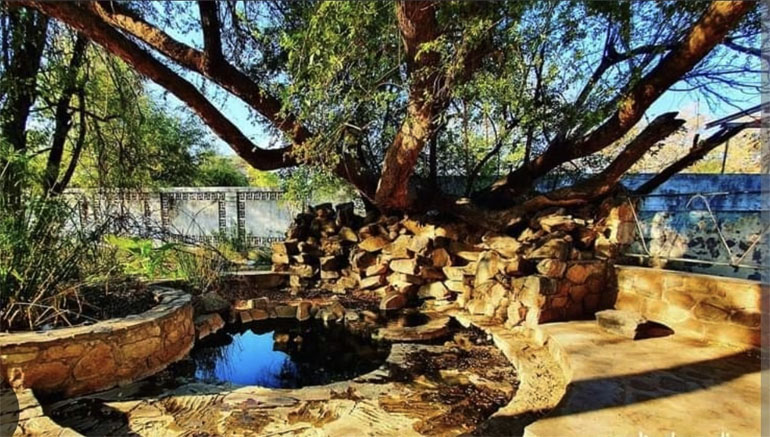
Liberty Dube
Tourism Correspondent
FOR generations, people have made the journey to a secluded corner of Nyanyadzi in Chimanimani District, drawn by more than the sight of warm water bubbling from beneath the earth.
They arrive carrying different burdens and expectations, some seeking relaxation, others looking for hope, healing, answers or a deeper connection to long-held traditions.
The Nyanyadzi Hot Springs have become more than just a natural attraction. They occupy a unique place where culture, belief and nature intersect, creating a destination that continues to fascinate visitors from across Zimbabwe and beyond.
Over the years, people have travelled to the springs from Mutare, Chimanimani, Harare and other parts of the country. Some have journeyed from as far afield as Kariba, Binga, Gokwe and Chipinge, while international visitors have also been drawn to the site.
While some visit purely to experience one of nature’s wonders, others are motivated by beliefs that have been passed down through generations. Visitors often immerse their hands and feet in the warm mineral-rich waters before collecting stones from the area, which some believe bring good fortune, positive change and blessings. Others take containers of the water home for personal or traditional use.
For local communities, these beliefs remain an integral part of the springs’ identity.
Mr Gudhlanga, a lifelong resident of Gudhlanga Village, said the Hot Springs continue to hold deep cultural significance.
“People come from different places because they believe in the power of the water and the stones. They immerse themselves in the water and collect stones believing they will bring good luck and positive changes in their lives. For us, these waters are sacred and have been part of our traditions for generations,” he said.
Such sentiments are echoed by many visitors who describe the springs as a place of peace and renewal.
Mr Leeroy Chitsa said there is a unique sense of calm that comes from spending time in the warm waters.
“There is something different about this place. The moment you immerse yourself in the warm water, you feel relaxed. I keep coming back because of that feeling, but I also appreciate the traditions surrounding the springs. The local community has always treated the water with great respect,” he said.
Another visitor, Mr Mehluli Mapungwana, said curiosity about the stories surrounding the springs inspired his visit.
“I had heard so much about the springs and the beliefs attached to them. I immersed my hands and feet in the water and collected a few stones because traditionally we believe they bring good luck and positive changes. Whether someone believes in that or not, the experience is special,” he said.
While these experiences are deeply meaningful to those who hold such beliefs, they remain matters of personal conviction and cultural practice rather than scientific evidence of medicinal or therapeutic benefits.
That distinction is becoming increasingly important as the Hot Springs enter a new phase of development.
The completion of Phase One of the rehabilitation project, undertaken through a partnership between the Zimbabwe Consolidated Diamond Company (ZCDC) and Chimanimani Rural District Council, has transformed the appearance of the site and strengthened its tourism appeal.
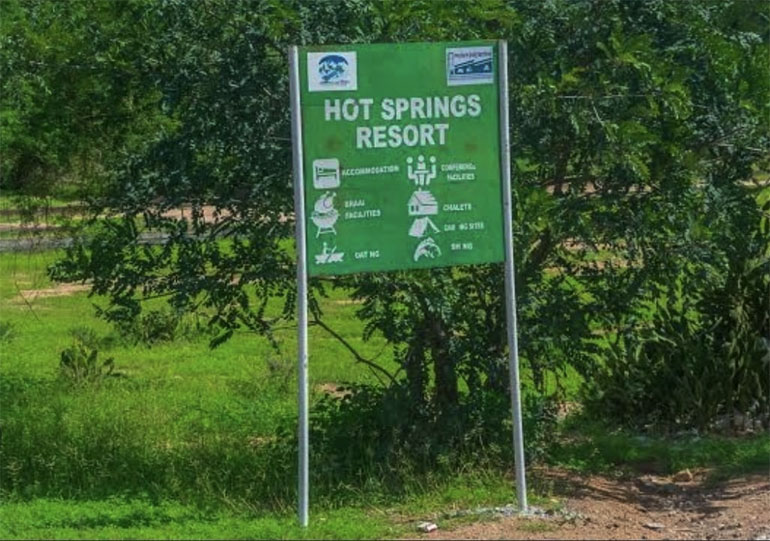
Improvements include rehabilitated pools, landscaped grounds, perimeter fencing, parking facilities and directional signage, giving the attraction a more organised and welcoming appearance.
The planned second phase is expected to expand the site’s tourism potential even further through the construction of accommodation facilities and conference infrastructure. The nearby dam also presents opportunities for complementary recreational activities such as boating, fishing and other water-based experiences.
Yet beyond the new infrastructure lies a bigger question: what role can the Nyanyadzi Hot Springs play in Zimbabwe’s tourism future?
The answer may lie in the growing global interest in wellness tourism.
Tourism and hospitality expert and Manicaland State University of Applied Sciences academic, Dr Willard Madhombiro, believes the springs possess enormous untapped potential.
“It is high time we fully utilised Nyanyadzi Hot Springs as a tourism and wellness resort. The spring water is widely regarded for its medicinal value, yet the resource remains significantly underutilised,” he said.
However, he emphasised that scientific research must guide future development.
“We need to invest in research to establish its properties scientifically and then develop the site into a properly managed wellness tourism destination that can attract visitors, create employment and generate income for surrounding communities.”
Civil and water engineer, Mr Kurainashe Mugwagwa, said the water is believed to contain a range of dissolved minerals, including calcium, magnesium, iron, manganese, fluoride, potassium, chlorides, phosphates, silicates, sodium and sulphur. The sulphur content is largely responsible for the distinctive smell often associated with the springs.
Mr Mugwagwa said scientific studies conducted elsewhere have shown that thermal bathing can promote relaxation and may assist with certain musculoskeletal and skin-related conditions.
“Warm water dilates blood vessels, relaxes muscles, reduces pain signalling and eases stiffness. Buoyancy reduces stress on painful joints, while immersion in warm water has been shown in some studies to improve vascular function and blood pressure,” he said.
However, he cautioned against presenting traditional beliefs as established medical facts.
“What science does not support is the language of cure. There is no evidence that soaking in a hot spring detoxifies the body, prevents disease or cures medical conditions,” he said.
For Nyanyadzi, that distinction could prove crucial.
The Hot Springs do not need exaggerated claims to become commercially successful. Their natural beauty, rich cultural heritage and warm mineral waters already provide the foundations for a distinctive tourism destination.
What is needed is credible research, responsible management and sustainable planning.
Mr Mugwagwa stressed the need for ongoing monitoring of the water, including regular testing of temperature, pH levels, mineral composition and microbiological quality as visitor numbers increase.
He also warned that excessive development could place pressure on the natural resource itself.
“A spring is a finite fault-fed discharge. Diverting water for lodges, showers, pools, cooking and irrigation can reduce natural flow rates and even affect temperatures downstream,” he said.
As development continues, issues such as sanitation, wastewater management and public safety will also require careful attention. Clear signage, secure fencing around hot vents, non-slip walkways, depth markings and proper supervision will become increasingly important.
Yet infrastructure and scientific research alone will not determine the success of the project.
For tourism development to be truly sustainable, surrounding communities must be active participants and beneficiaries. Opportunities for local employment, small businesses, cultural tourism enterprises and transparent revenue-sharing mechanisms will be critical in ensuring that economic benefits flow to the people who have lived alongside the springs for generations.
Equally important is the preservation of the cultural heritage that has long defined the site. The beliefs and traditions associated with the springs should not be dismissed as obstacles to development. Instead, they can form a valuable part of the destination’s identity when presented respectfully and distinguished from scientifically proven claims.
If properly managed, the Nyanyadzi Hot Springs could become one of Manicaland’s flagship tourism assets, combining natural beauty, cultural heritage, wellness tourism and community development into a unique visitor experience.
The water has flowed from beneath the earth for generations. Now it has the potential to create something new above ground: jobs, investment, businesses and a renewed tourism identity for Nyanyadzi.
But that future cannot be built on infrastructure alone. It must rest on a combination of science, responsible tourism, community participation, cultural preservation and a clear vision for long-term economic growth.
Nyanyadzi already possesses the water. The challenge now is turning that natural gift into a sustainable and inclusive success story.