

 Online Reporter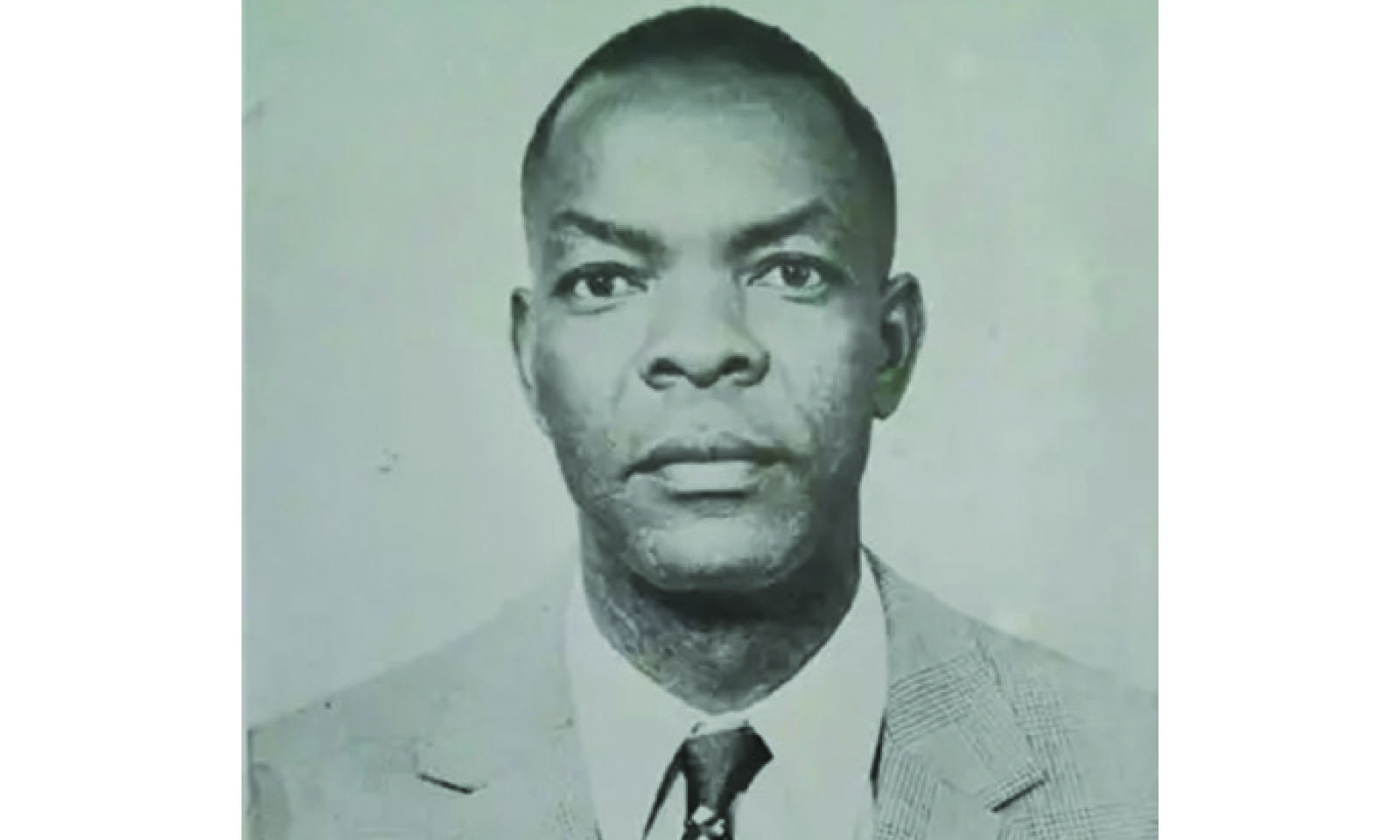
Richard Muponde
Zimpapers Politics Hub
DR Paul Chidyausiku, who died on Friday 9, 2025, has been described by relatives and contemporaries as a consummate reader and writer who inspired many generations through his writings and teachings. He was 98 years old.
Born in 1927 in Chinamhora communal lands near Harare (then Salisbury), Dr Chidyausiku is most known for his writings that are deeply rooted in Shona traditions.
Dr Chidyausiku was granted a State-assisted funeral in respect of his pioneering contribution to Zimbabwean literature in the vernacular and his consistent anti-colonial writings.
Through his writings, which exhorted African culture and traditions, Dr Chidyausiku is regarded as one of the pioneering African writers who sort of wrote back to the empire at a time when colonisers looked down at African ways of doing things.
A novelist, playwright, poet and journalist, Dr Chidyausiku was known for his Shona novels, plays and poetry — some of which won national awards in the country.
Early Life and Heritage
Dr Chidyausiku hailed from a family steeped in traditional leadership and national service. His paternal grandfather was Chief Chinamhora, while his maternal lineage could be traced back to Chief Chiweshe. He was the eldest of eight siblings, a family that would come to play a significant role in Zimbabwe’s political and judicial evolution.
Among his siblings were the late Chief Justice Godfrey Chidyausiku, famed for his landmark ruling on land restitution in Zimbabwe, and Ambassador Boniface Chidyausiku, a war veteran and esteemed diplomat who represented the country in numerous international missions.
Education and early career
Dr Chidyausiku began his professional life in agriculture. He attended an agricultural college and later spent several years teaching the subject, nurturing a generation of Zimbabwean farmers. However, his passion for writing and communication would soon propel him in a new direction.
Determined to further his education and contribute to Zimbabwe’s liberation through storytelling and journalism, he enrolled at the London School of Journalism in England. This academic pursuit laid the foundation for his future contributions to the media and literary world.
Career in journalism and publishing
Upon returning to Zimbabwe, Dr Chidyausiku quickly immersed himself in the country’s journalistic circles. He served as Editor of Moto Magazine, one of Zimbabwe’s prominent publications during the colonial era, known for its bold, pan-African and politically conscious reporting.
He later joined Mambo Press in Gweru as an editor and contributed to the Literature Bureau as an editorial officer. His dedication to shaping the literary voice of Zimbabwe saw him appointed Assistant Director in the Ministry of Information’s Branch of Foreign Services. He would eventually play a pivotal role in launching Kwayedza, a Shona-language newspaper under Zimbabwe Newspapers Group (1980), ensuring that local voices were heard and preserved in the native tongue.
Literary contributions and cultural impact
Dr Chidyausiku was a prolific writer and remains one of the earliest Shona authors to be published in Zimbabwe. His first known publication dates back to 1958, Nhoroondo Dzokuwanana, and he continued writing well into the 1990s. His literary repertoire includes 10 books, nine in Shona and one in English, and numerous poems.
His 1968 play, “Ndakambokuyambira” (I Warned You Before), holds the distinction of being the first Shona play published in the country. This was his fifth book — highlighting an already accomplished body of work.
His other notable works include, Broken Roots (1991) — his only English-language novel, which delves into the complexities of identity and post-colonial realities.
Kuyaruka Kwomukomana and Kuyaruka Kwomusikana (both 1991) — explorations of the rites of passage for young men and women in traditional Shona society.
Karume Kangu (1970), Nyadzi Dzinokunda Rufu (1975), and Pfungwa DzaSekuru Mafusire (1960), among others.
His writings were deeply rooted in Shona traditions, often emphasising the strength of the African mother tongue, communal values, and the struggle for self-determination. Through his prose and poetry, he engaged with colonial injustices and helped mobilise thought during the liberation struggle. His works were instrumental in educating young minds and igniting nationalist sentiment in the lead up to Zimbabwe’s independence in 1980.
International recognition and academic legacy
Dr Chidyausiku’s poetry and prose extended beyond Zimbabwean borders. His English poems appeared in several prestigious anthologies, including Voices from Africa (UK), A Century of Poetry in Southern Africa (Australia), and various collections in Namibia and Zimbabwe.
His books became standard reading material in secondary and tertiary institutions across Zimbabwe. In particular, Ndakambokuyambira and Broken Roots were widely studied in schools, marking his significant contribution to the development of local literature curricula.
Poetry International, a respected global network of poets and critics, described him as a writer with “deep-rooted in Shona traditions,” highlighting his unique ability to bridge oral culture with modern literary form.
A Family of Nation Builders
Dr Chidyausiku’s influence was not isolated. As noted by Acting President Dr Constantino Chiwenga in his condolence message, the Chidyausiku family made profound contributions to Zimbabwe’s national development.
The Acting President praised Dr Chidyausiku’s literary work as a cornerstone of the country’s historical record and acknowledged the broader family legacy in justice, diplomacy, and liberation.
“The legacy of Justice Chidyausiku, particularly his landmark ruling on land restitution, showcases the family’s dedication to the principles of justice and equity,” said Dr Chiwenga.
“May the family be consoled and find comfort in knowing that the written works of their father will forever be etched in the annals of history,” he added.
Final Years and Legacy
Even in his later years, Dr Chidyausiku remained an active literary figure, continuing to write, advise, and mentor young Zimbabwean writers. His longevity passing at the age of 98 allowed him to witness the evolution of the country he helped shape through words.
As Zimbabwe reflects on his contributions, his death represents not just the loss of a person but the passing of an era. His literary voice, imbued with dignity, resistance, and wisdom, will endure through his writings and the generations he inspired.
His Publications at a Glance
Nhoroondo Dzokuwanana (1958) – Oxford University Press
Pfungwa DzaSekuru Mafusire (1960) – Catholic Mission Press
Kuziva Mbuya Huudzwa: Kurera Nokurumura (1967) – Mambo Press
Ndakambokuyambira (1968 & 1990) – Mambo Press
Karume kangu (1970) – Longman Zimbabwe
Nyadzi Dzinokunda Rufu (1975) – Oxford University Press
Broken Roots (1991) – Mambo Press
Kuyaruka Kwomukomana (1991) – Mambo Press
Kuyaruka Kwomusikana (1991) – Mambo Press
Dr Paul Chidyausiku will be remembered as a literary trailblazer, a cultural custodian, and a patriot. His influence on Zimbabwean literature and education remains indelible. In a nation forged by both word and war, his pen played a revolutionary role, documenting, challenging, and ultimately shaping the identity of modern Zimbabwe.



