Chronicle Editor
Thandeka Moyo-Ndlovu, Health Reporter
PREGNANT women and girls who continue shunning health institutions are at risk of terrible life-changing childbirth-related injuries, including obstetric fistula in Zimbabwe.
Described as the “most devastating birth injury” by the World Health Organisation (WHO), obstetric fistula results in continuous and uncontrollable leaking of urine or faeces, resulting in social stigmatisation and lifelong emotional scars.
Obstructed labour associated with obstetric fistula has been identified as a major cause of maternal mortality worldwide, and in as many as 90 percent of cases, women who experience obstetric fistula also suffer a still birth.
A report by Amnesty International shows that 25 percent of pregnant women in the country deliver at home, risking their lives and those of their babies.
Despite the Government policy that women should access free maternal health services in public institutions, many choose to risk their lives due to religious and cultural practices.
According to the WHO, obstetric fistula is preventable by reducing the number of early and unplanned pregnancies, ending harmful practices (such as child marriage), and ensuring access to quality emergency obstetric care, especially access to caesarean sections.
When access to quality treatment is available, obstetric fistula is also curable, with surgical success rates as high as 92 percent.
Zimbabwe has one of the highest maternal mortality rates in the world at 462 per 100 000 live births.
Last year, a total of 378 women died while giving birth in Zimbabwe and of these women, 66 died at home while 312 lost their lives at health institutions.
The report which was released yesterday comes at a time when the country awaits to commemorate International Day to End Obstetric Fistula on Sunday, May 23.
The theme of this year’s observance is ‘Women’s rights are human rights! End fistula now’! It shouldn’t be left to fate who survives and who suffers such a grievous injury. Everyone deserves a life of dignity, and the day serves as a reminder that we cannot ignore such a promise.
The report entitled ‘‘I never thought I could get healed from this’’ describes the physical and psychological trauma that women and girls who experience obstetric fistula in Zimbabwe go through.
Amnesty International’s Director for East and Southern Africa Mr Deprose Muchena says the trauma of obstetric fistula is exacerbated by the lack of information about the causes and treatment of the condition.
He said these are worsened by on-going difficulties accessing post-natal health services and treatment for maternal injuries.
“Cultural beliefs also mean that some women don’t have a choice but to submit to home births administered by untrained family or community members,” said Mr Muchena.
“It is unacceptable that women and girls remain at risk of this life changing condition while giving birth. Zimbabwean authorities must urgently address the root causes of obstetric fistula because giving birth should not come with health risks that could easily be prevented.”
He said although Zimbabwe’s Ministry of Health and Child Care advises women to give birth in health facilities, demographic data indicates that nearly one quarter of women give birth without skilled assistance.
“Unskilled persons, such as untrained traditional birth attendants, village health workers, relatives and friends assist in 20 percent of births, while three percent of births receive no assistance. Economic challenges have left women with limited choices. Even in cases where women might have wanted to give birth in health facilities, they were unable to do so because they were economically dependent on their partners or families who were unwilling or unable to pay for birth-related costs.”
Mr Muchena says another key barrier is the lack of information about obstetric fistula and the potential treatment.
“In 11 cases that the organisation came across, women who had been medically diagnosed with obstetric fistula shared experiences of severe abuse and suffering during labour, including at the hands of their in-laws. In most of these cases, a home birth began in the marital home under the authority of older women who were untrained to deal with complications, and in some cases, were reported to have been violent and abusive.”
Renowned gynaecologist Professor Solwayo Ngwenya says women should take advantage of free services and deliver in health institutions to save their lives.
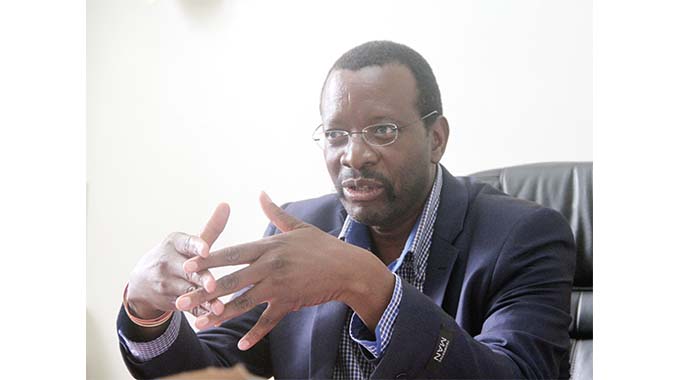
“Maternity services are free and we have some non-government organisations that are helping women deliver in health institutions. There are a lot of religious cults encouraging home births and we need to educate them to stop that practice so that we save lives,” he said.
“Most of these women only seek health care services when it is too late after developing life threatening complications. We need to encourage our communities to always register pregnancies and our women to always attend antenatal care meetings.” — @thamamoe



 Online Reporter