Online Reporter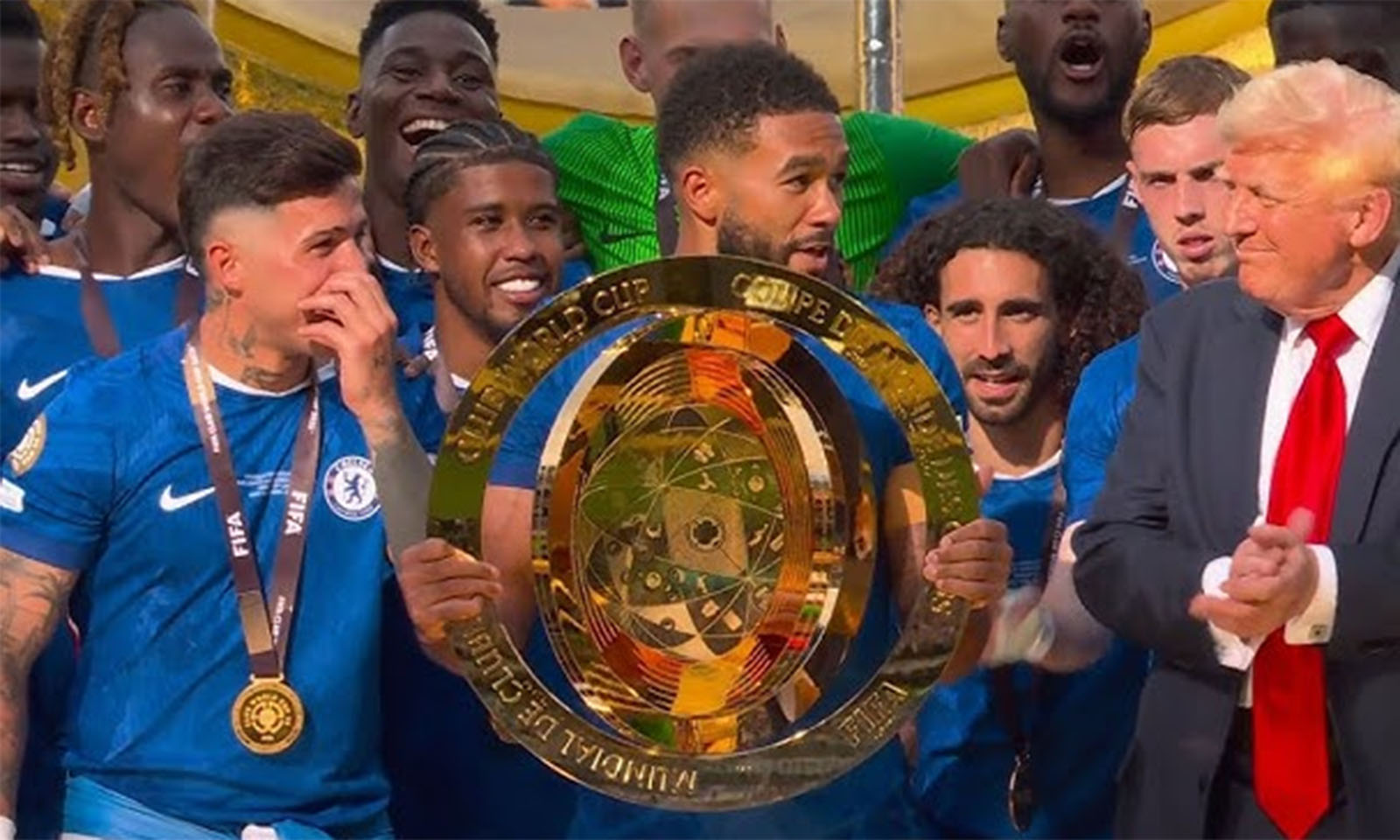
Carter Chapwanya
As the global political landscape slowly becomes reminiscent of the days of Thucydides and the Athenian struggles in ancient Greek history, diplomatic manoeuvring has become the order of the day.
Currently, the proverbial “Thucydides trap” seems to be in effect once again in Global great power politics. Will the US relinquish its hegemonic position without putting up a fight?
Gone are the days when hard power determined international political authority although it is still a prerequisite of security in great power politics.
Therefore, the soon to be dethroned world hegemony, The US is in a battle far greater than the current heated political conflict with Iran and any other international conflict that may inevitably arise under Trump’s stewardship.
The international system is clearly shifting from a unipolar configuration to a bipolar one. Some scholars have even suggested that it is even likely to become multipolar due to the rising influence of other players such as the European bloc and BRICS.
Optics remain relevant, moreso in this semi-neoliberal global environment we have set for ourselves. Power is now derived from populism and a seemingly benevolent, tolerant and all encompassing political agenda and not just the weapons one wields.
Soccer or football as it is referred to by the rest of the world, is not just a game in this realm of existence. It is a powerful symbol of our very essence as superior creatures in this realm. It unites humanity in a way that no other recreational human activity has ever managed.
People from all corners of the world often get engaged in extended heated debates over the intricacies of the sport via several modern social media channels.
As a global village, the world has been united by a collective appreciation of art, sport and culture better than it has been by dogmatic political strategies.
Consequently, the neofascist stance that the US had once again reclaimed since Donald Trump returned to office had begun to sully the image of US due to ill-considered policies purported to “Make America Great Again”.
Radical policies designed not only to make trade isolationist, but to restrict immigration based on blatant racial and economic stereotypes represented the final nails in the hegemony’s coffin.
However, the just ended FIFA Club World Cup once again managed to divert attention from a politically tense international environment. Serendipitously the US managed to play host to the first edition of the tournament and is also set to co-host the 2026 FIFA World Cup.
A subtle show of soft power that timely served to assuage a slowly decaying image. Trump himself alluded to the fact in an interview after the final match.
In the same interview, he highlighted the importance of sport in global unity and acknowledged that football was the most appreciated sport in the world.
Hosting the tournament was a stroke of genius (or luck)as this in essence endeared the US to the billions of football fans worldwide who watched the games. The US president antics of refusing to leave the winners’ circle and celebrating with the winners; Chelsea as they lifted the trophy are testament to the value ascribed to the tournament.
In international politics, it a well known fact that national identity is way more important than state identity. As the former is more synonymous with the people, their culture and what they value.
So while through the lenses of state identity, the USA may be viewed as the world hegemony who more or less rules with an iron fist, national identity offers the contrast of a beautiful and peaceful country that hosts grand football tournaments.
A good national identity often makes it difficult for rivals and opponents in the international arena to push for aggressive legislation through support from their regular citizens. It also helps in the formulation and implementation of favourable international laws.
For instance, the French through their age-old tradition of assimilation have managed to subjugate a great portion of Africa by portraying themselves as partners with a facade of oneness through various means, including football.
The Kingdom of Saudi Arabia is another example of the impact football has on identity. Before the football revolution, the country’s image was marred by gender inequality issues, modern slave trade and radical Islamist legislation. Now the discourse has shifted to the Saudi League, Ronaldo, Mane etc, and not the many challenges being faced by the KSA people.
In Africa, northern states that are not part of Sub-Saharan Africa like Egypt, Morocco and Tunisia often politically align themselves with the Middle Eastern bloc, however the countries are more than happy to participate in African football tournaments and proudly embrace their African identity on World stages like the World Cup.
Therefore, while scholars and political scientists may argue on various theoretical interpretations of international phenomena. The constructivist argument once again evidently remains superior.
States will always interact favourably when common interests, culture, norms and values are aligned. Football plays a small but relevant enough role in the configuration of the modern international political system.
Carter Chapwanya is a published author and a Political Science PhD candidate at Shandong University, China.