Online Reporter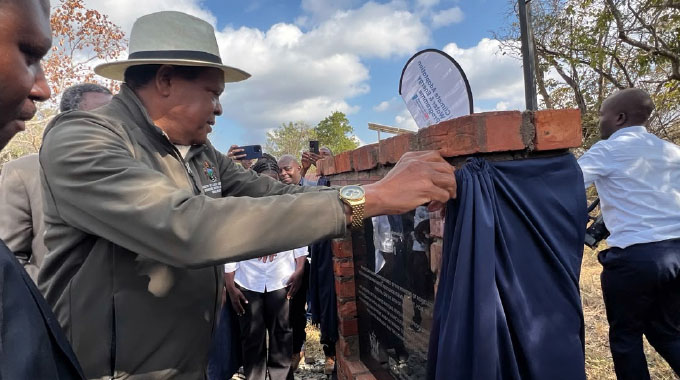
Sukulwenkosi Dube-Matutu, [email protected]
A few years ago, many families in Wanezi were wondering how they would recover from the devastation left by Cyclone Dineo.
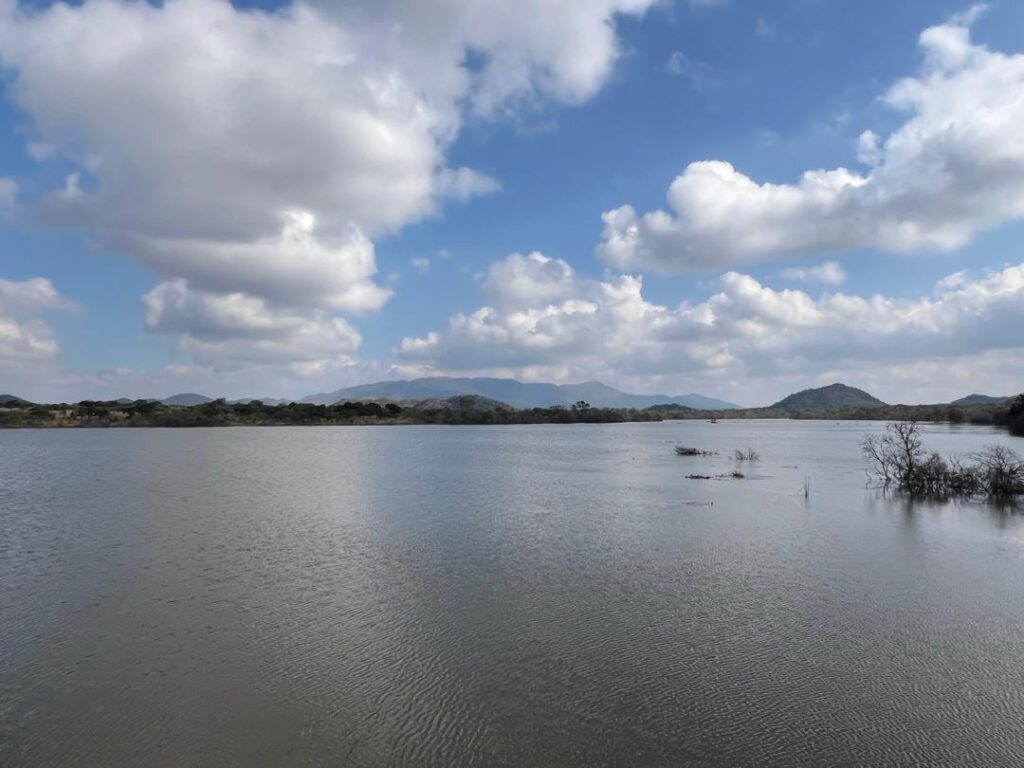
The cyclone damaged Wanezi Dam, a vital source of water for communities in Insiza District. Farmers lost a lifeline for their crops and livestock, while many households continued to struggle with access to water. For a community that depends heavily on agriculture, the damage dealt a serious blow to livelihoods.
Today, the picture is changing.
Farmers are growing crops for local and international markets. Families have easier access to clean water. Learners can cross safely to school using a newly built bridge. Fish are once again being raised in the dam, while some households are benefiting from clean energy through biogas digesters.
What was once a community recovering from disaster is steadily becoming a centre of economic activity, with Wanezi Dam driving development across the area.
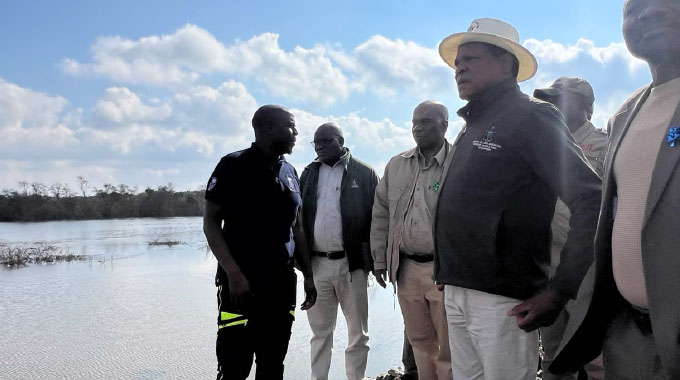
The transformation follows the rehabilitation of the 1 700-megalitre dam under the Climate Adaptation Water and Energy Project (CAWEP), a programme funded by the United Kingdom Government and implemented by the United Nations Development Programme (UNDP) in partnership with Government departments.
For villagers, the results are visible in everyday life.
Where there was uncertainty, there is now growing confidence.
Where water shortages limited opportunities, there are now irrigation schemes, fisheries and business ventures creating new sources of income.
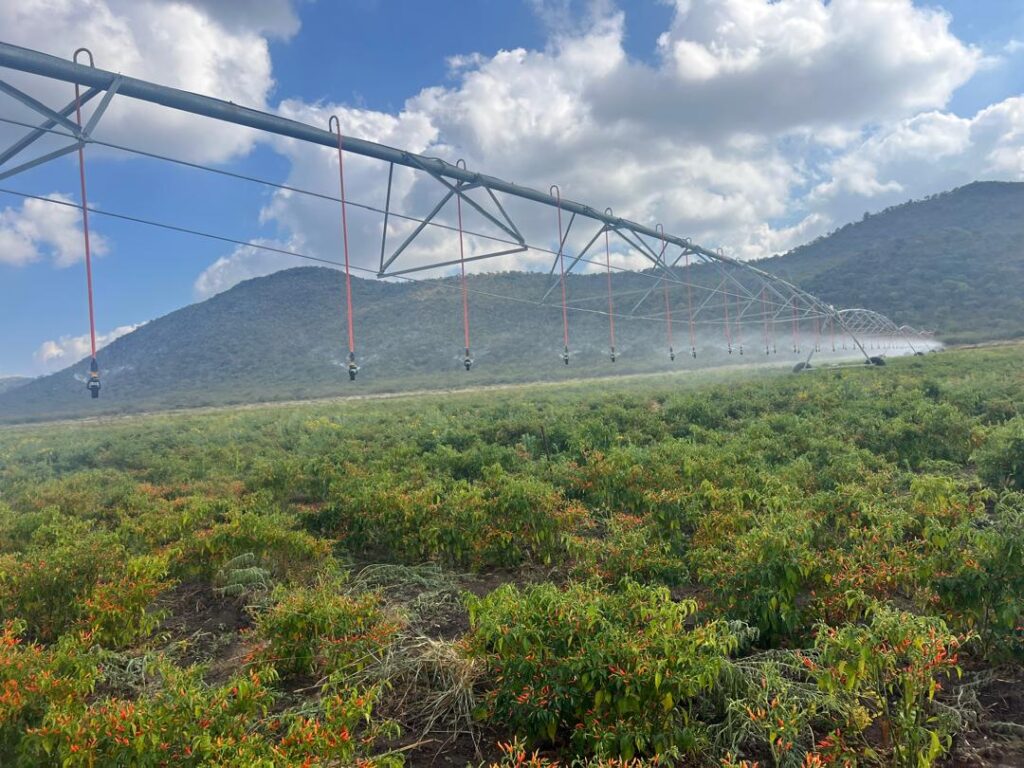
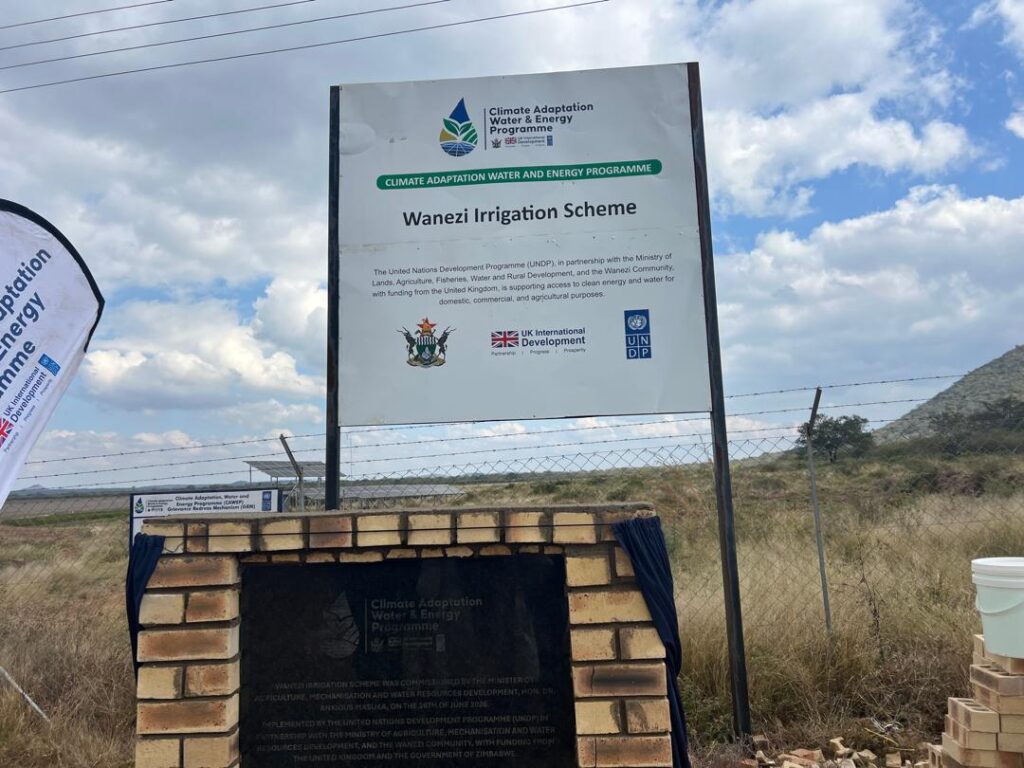
One of the biggest beneficiaries is the newly established Wanezi Irrigation Scheme, which is expected to generate more than US$200 000 each year.
The scheme has already changed the way many farmers think about agriculture.
Instead of relying entirely on rainfall, farmers now have access to a reliable water source that allows them to produce crops throughout the year. Fields that might once have stood idle during dry periods are now producing green mealies, chilli peppers and sugar beans.
Wanezi Irrigation Management Committee chairperson Ms Chambika Nyamunganga said farmers have embraced a more commercial approach to farming.
“Currently we’ve planted 20 hectares of green mealies, 6.4ha chili pepper and 3.6 ha sugar bean greens. The market for the chili pepper is Witkin Paprika Private Limited,” she said.
The irrigation scheme has given farmers an opportunity not only to grow food but also to earn an income.
For many families in the area, successful harvests mean school fees can be paid, household needs can be met and livelihoods can improve.
The project is also opening doors far beyond Insiza.
UNDP Resident Representative Dr Ayodele Odusola said farmers involved in the scheme are being linked to international markets in countries such as China, Spain, the United States and Italy.
For a rural community that once faced an uncertain future after the cyclone, access to global markets represents a remarkable shift.
“This is a partnership between the Zimbabwe, UK Government and UNDP. The objective of this intervention is to ensure we align with Vision 2030 by ensuring that there is food everywhere and every time. This is one of the food security initiatives we have rolled out. We want to transform agriculture from being a way of life to being a business enterprise.
“We don’t want farmers to live a subsistence life, we want farmers that have been supported under the CAWEP initiative to live above the poverty datum line. That’s why under this project we’re not only producing Chilli but we’re linking farmers in Insiza to global markets.”
To support farmers, a revolving fund worth more than US$200 000 has been established. The fund allows farmers to purchase inputs and invest in expanding their operations.
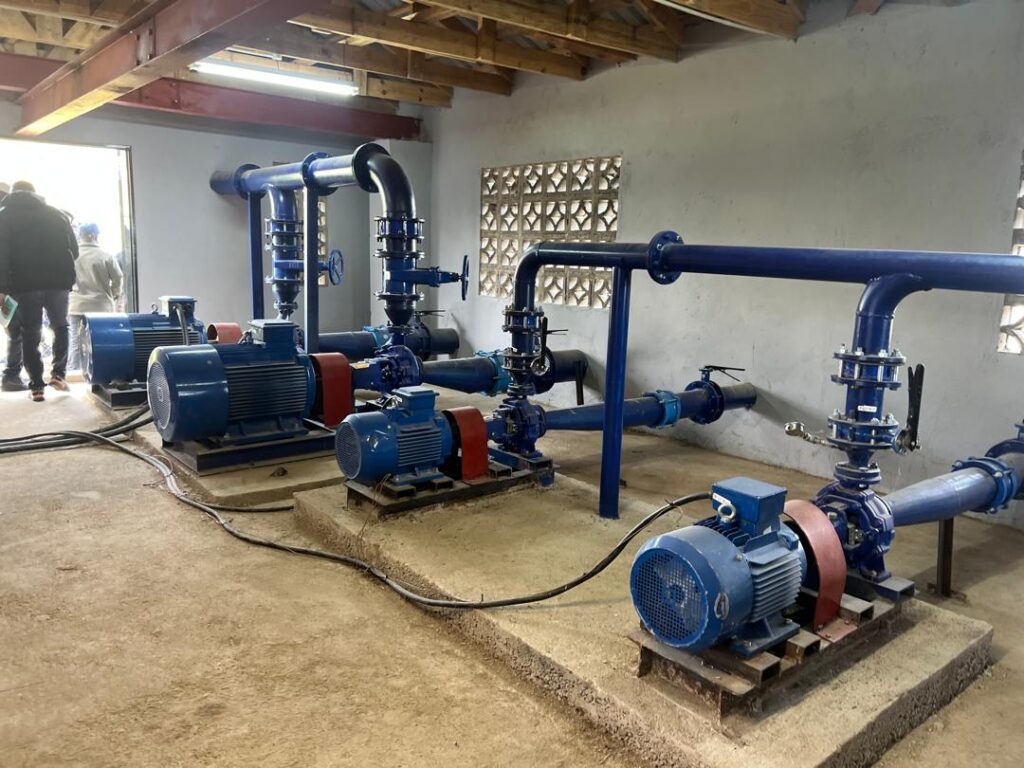
Beyond farming, access to clean water has improved significantly for hundreds of households.
Two piped water schemes have been established, benefiting about 400 households. In addition, 28 communal taps have been installed across the area.
For many families, this means spending less time searching for water and more time focusing on other productive activities.
Women and children, who are often responsible for collecting water in rural communities, are among those benefiting most from the development.
Instead of walking long distances, many residents can now access clean water within about 500 metres of their homes.
The impact of the dam can also be seen in local schools.
Wanezi Dam now supplies water to two schools and supports a seven-hectare irrigation scheme at Wanezi High School.
Reliable water supplies have become increasingly important in schools, not only for drinking and sanitation but also for agricultural projects that can help support learning and food production.
Another development that has brought relief to the community is the construction of a bridge.
For years, villagers faced challenges crossing rivers, particularly during the rainy season. Accessing schools, health facilities, business centres and markets could become difficult and sometimes dangerous.
The new bridge has changed that.
Learners travelling to Wanezi High School and Shamba Primary School can now do so more safely. Villagers can access Skuta Business Centre more easily, while farmers are able to transport their produce to market without the challenges they previously faced.
Residents say the bridge has become a critical link connecting communities to essential services and economic opportunities.
The dam has also created benefits through fisheries.
Under the Presidential Community Fisheries Scheme, 10 000 tilapia fingerlings have been stocked in Wanezi Dam.
The initiative is expected to improve nutrition and provide another source of income for local families through fish production.
Alongside fisheries, the community has also benefited from the installation of 20 biogas digesters, providing households with access to cleaner sources of energy.
The combination of irrigation, fisheries, water supply, transport infrastructure and clean energy has turned Wanezi into an example of how integrated rural development can improve people’s lives.
Speaking during the commissioning of Wanezi Dam and the irrigation scheme, Minister of Lands, Agriculture, Fisheries, Water and Rural Development Dr Anxious Masuka said the project reflects President Mnangagwa’s vision of using dams as engines of economic growth.
“The development of this project is under President Mnangagwa’s vision of the dam as an economy. A dam must not be an end but the means to transform rural livelihoods. We want a dam to impound water, develop fisheries and provide potable water. The conveyance here is now over 700 households,” he said.
“Water is an economic enabler as we have seen here. I have no doubt that this irrigation scheme will be able to generate upwards of US$200 000 equivalent on an annual basis. This community has now become a part of the President’s Vision 2030.”
Wanezi Dam was originally built in 1952 and served generations of farmers before being damaged by Cyclone Dineo in 2016.
At the time, many feared the loss of the dam would permanently affect livelihoods in the area.
Today, those fears have been replaced by optimism.
The true value of the rehabilitation cannot be measured only in litres of water, hectares under irrigation or dollars generated from crops. Its impact is visible in the lives of ordinary people.
It is seen in the farmer harvesting chilli peppers destined for export markets. It is seen in the child crossing the bridge safely on the way to school. It is seen in a mother drawing clean water from a nearby tap instead of walking long distances to fetch it.
Nearly a decade after Cyclone Dineo brought hardship to the area, Wanezi is writing a different story — one of recovery, growth and opportunity. With water flowing once again and new economic activities taking root, residents are hopeful that the dam will continue to drive development for generations to come.