

 admin
admin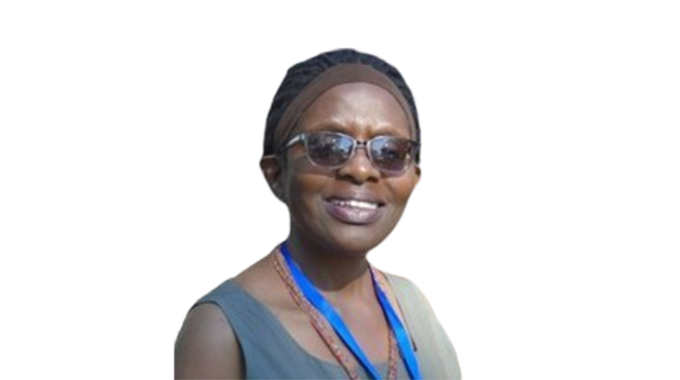
Sifelani Tsiko in Lupane
Capacitating One Health in Eastern and Southern Africa (Cohesa) has embarked on a project to upgrade a biodigester system to help pregnant women access clean cooking energy at new maternity waiting homes at St Lukes Hospital in Lupane, about 200km west of Bulawayo.
Professor Prisca Mugabe, a University of Zimbabwe ecologist and co-leader of the Zimbabwe One Health Advisory Committee told The Herald that the upgrade would help more than 80 women to access clean cooking energy and prevent respiratory ailments associated with indoor cooking fires.
“We are working closely with our partner Lupane State University to upgrade the biodigester here at St Lukes Hospital so that pregnant women can access clean cooking energy,” she said.
“It is important to address the issue of one health in Zimbabwe. This concept tackles issues related to human health, animal health, and the health of the environment.
The Cohesa project financed by the European Union aims to effectively protect the health of people, animals, plants and the shared environment.
St Lukes Hospital administrator Mrs Geraldine Jongwe said a new four-block maternity waiting home was now complete.
“We are so excited about the support we are getting from Cohesa and Lupane State University,” she said.
“The old system had collapsed and we are optimistic that the upgrade will help us a lot for our pregnant women to access clean cooking energy.”
St Lukes Hospital serves hundreds of people from the entire Matabeleland North province. Most rural women face numerous challenges when it comes to accessing healthcare services.
There are few ambulances and it can take several hours before they can respond through bad roads. The provision of maternity waiting homes can help reduce maternal mortality by improving access to skilled birth attendance and emergency specialised care for women in rural areas.
Zimbabwe is among 12 African countries that are benefiting from a Euros 9, 3 million (US$10 million) Cohesa project.
The Cohesa project is being implemented with the support of the International Livestock Research Institute (ILRI), CIRAD – a French agricultural research and cooperation organisation, and the International Service for the Acquisition of Agri-biotech Applications (ISAAA).


 Online Reporter