Online Reporter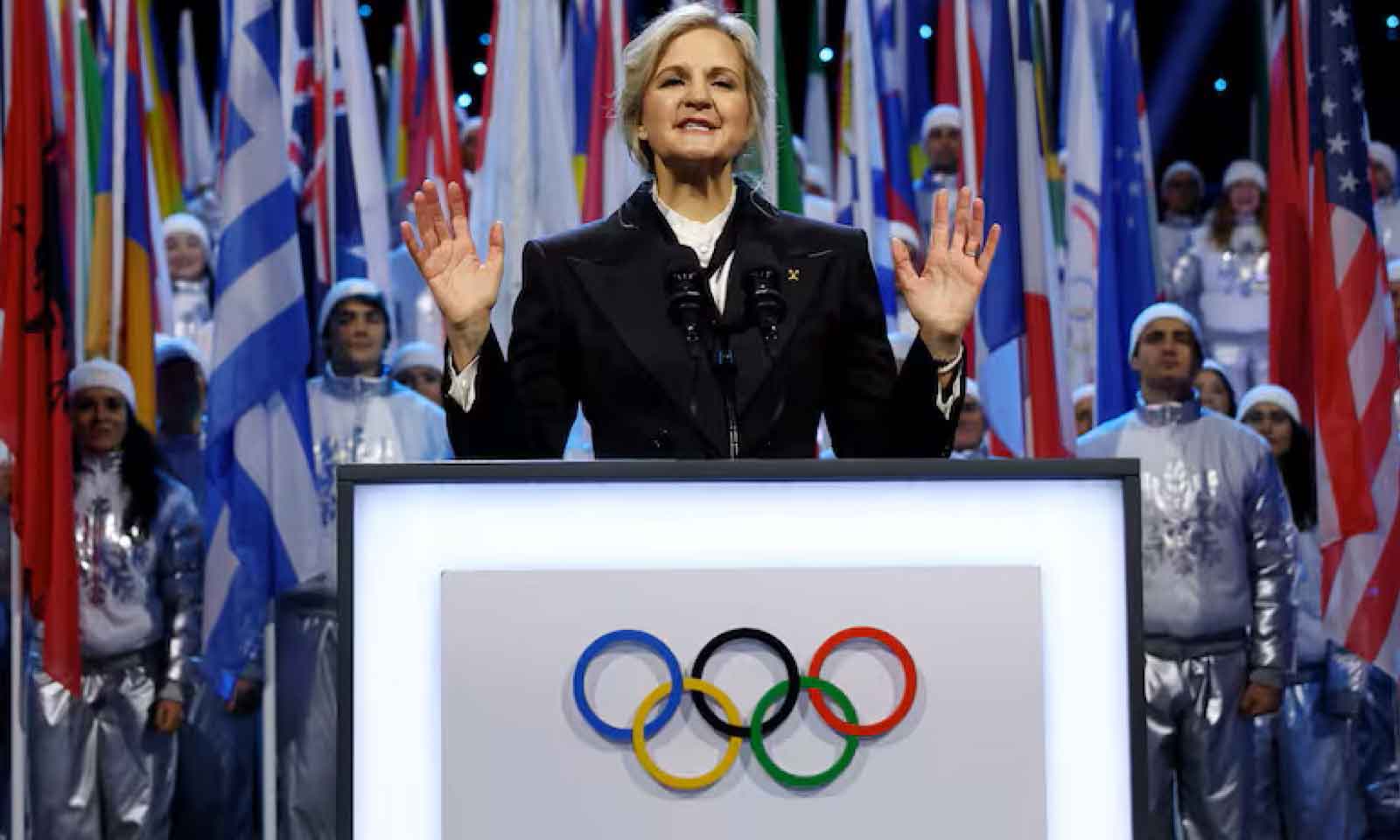
A YEAR has passed since Kirsty Coventry made history and became the first woman, and the first African, and first woman, to be elected IOC president.
It has been a tough examination of her leadership credentials but she has generally come out with good grades.
There have been some dissenting voices, of course, some even coming closer from home.
Yesterday, two-time Olympic champion Caster Semenya expressed her disappointment with Coventry over the decision to ban transgender women athletes from competing in women’s events at the Olympics.
“Personally, for her as a leader, she’s an African, I’m sure she understands how, you know, we as Africans, we are coming from, as a global South, you know, you cannot control genetics,” Semenya said.
But, there have also been voices supporting her.
The International Boxing Association called the International Olympic Committee’s decision to ban transgender women from Los Angeles 2028 and beyond a “victory for common sense”, welcoming it as “a decisive step in protecting women’s sport”.
The IBA welcomed the move as a “reinforcement of fairness and integrity”.
“This era of erosion of integrity in sport is finally over. The IOC simply had no other choice. For years, they turned a blind eye to the things that were destroying the true meaning of women’s sport. Now, they have been forced to correct their own mistakes,” said Umar Kremlev, president of the IBA.
Coventry has already made it clear that change is coming to the Olympic programme of sports and events and it is going to be uncomfortable for some.
In June last year, she set in motion a review of more than 450 medal events organised by more than 40 sports federations at the Summer and Winter Games.
“We have to be honest about what works and sometimes more importantly what doesn’t,” she said at the International Olympic Committee annual meeting ahead of the Milan Cortina Winter Olympics.
“It means we have to look our sports, disciplines and events with fresh eyes to make sure we are evolving with our times.
“We will face difficult decisions and conversations — that’s part of change.
“I know these discussions can be, and potentially will be, uncomfortable but they are essential if we are to keep the Games strong for generations to come.”
The Summer Games has chased youth audiences by adding urban sports like skateboarding and 3-on-3 basketball in the past decade, while breakdance got a debut in Paris 18 months ago.
“We have to ensure the Games remain inspiring for young people everywhere,” the two-time Olympic swimming champion said.
“That they reflect their values, their sense of authenticity and their search for something genuine.”
Her words suggesting the need for “a balance between tradition and innovation” could leave sports with a century of Olympic history such as modern pentathlon fighting for its future at the 2028 Los Angeles Olympics.
The first female in the IOC’s 132 years got a proper stress test in the first Games of her history-making leadership.
Coventry was widely seen as having good overall success at the Milan-Cortina Winter Games that also gave a taste of challenges set to be tougher running into the 2028 Los Angeles Olympics.
“An incredible Games, and an incredible experience for me as my first in this role,” she told IOC.
In between, political pressure on Coventry was intense during the days-long drama of the Ukraine skeleton racer’s helmet memorialising athletes and coaches killed in the Russian military conflict.
Coventry’s face-to-face, trackside meeting with Vladyslav Heraskevych early last month that failed to avert his disqualification has helped define her leadership style.
Her tears in a subsequent meeting with international media is a powerful image of her presidency — though Heraskevych himself wasn’t impressed.
The next day, at a news conference in Milan, a list was detailed to Coventry of IOC issues with its own finances, plus future Olympic hosts, their officials and governments.
“It’s a job only a woman could do,” she said with relish, “and I’m looking forward to continuing to do it.”
The athletes’ president
The Ukrainian political strategy had been “a baptism of fire” for the new president, the former IOC marketing director Michael Payne told The Associated Press.
Coventry going directly to engage Heraskevych in sports diplomacy was a shift from her predecessors Thomas Bach and Jacques Rogge, who also were Olympic athletes.
At age 42, having swum for Zimbabwe as recently as the 2016 Rio de Janeiro Olympics, Coventry was just 13 months older than a huge star at the Winter Games, Lindsey Vonn.
“We saw at these Games her values and her humanity,” IOC member Tricia Smith, a silver medalist in rowing for Canada at the 1984 Los Angeles Games, told The Associated Press.
“And I think that’s exceptionally positive for the Olympic Movement as we move forward.”
After seven years as Sports Minister in Zimbabwe, Coventry was no management rookie.
One of her four IOC vice presidents, Pierre-Olivier Beckers, said some people who had thought she was too young to lead were wrong.
“I think she’s maturing at an incredible pace,” Beckers told reporters, adding she was “a joy for people like me to work with.
“Her ability to surround herself, to listen to people, all advisors, to make up her mind quickly, is just astonishing.” —AP/CBS