Chronicle Editor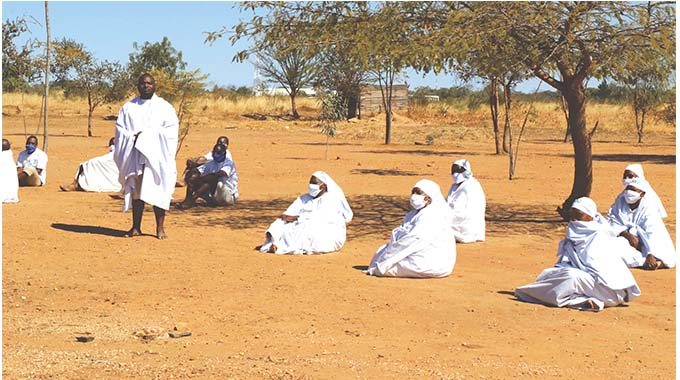
Dr Tatenda Simango
The topical issue in the past week has been the opening of faith-based institutions like churches, synagogue and mosques. Religion is an essential part of our well-being. According to experts, the effect of religion on a person’s physical health has revealed it has a positive attribution to their lifestyle.
The lockdown has been relaxed and centres of worship can now have not more than 50 people per meeting.
Before opening, each institution should set up a health committee composed of people with skills and knowledge of the specific Covid-19 guidelines. The committee’s task is to set a policy that is relevant to their congregation’s needs in keeping with the national Covid-19 guidelines. This article looks to give highlights on important issues that will need to be addressed in order to reduce the risk of spreading Covid-19 in houses of worship.
Cleaning should be meticulous. Ensure that the church building interior is appropriately cleaned, paying particular attention to any detritus (bat droppings etc) that may have gathered.
Mats may be shampooed, sofas sanitised and special attention given in clean and sanitising door handles, light switches and microphones. Floors and benches to be wiped off before and after meetings.
Disinfecting should be done before and after service. Use sanitisers proven to destroy coronavirus, as per manufacturers’ instructions. The following have been seen to be effective against Covid-19: hydrogen peroxide, bleach (sodium hypochlorite), 60% alcohol and ammonium. Metal surfaces can also be cleaned with industrial denatured alcohol (IDA), such as methylated spirits or isopropanol.
Ensure toilets are kept clean, use liquid rather than a bar of soap, and where possible, provide paper towels as an alternative to hand dryers in hand washing facilities. If regular cleaning of toilets is challenging you may need to think about limiting access, for example having two people in at a time.
Run all the taps (to minimise the risk of legionella) and flush toilets. Run the water from all taps and other hot and cold water-outlets for at least five minutes to ensure the water system has been thoroughly flushed through.
Outdoor areas generally require normal routine cleaning and do not require disinfection.
Spraying disinfectant on sidewalks and in parks is not an efficient use of disinfectant supplies and has not been proven to reduce the risk of Covid-19 to the public. You should maintain existing cleaning and hygiene practices for outside.
There should be one controlled entrance where ushers will:
- Ensure all attendees are wearing masks correctly.
- Check temperatures, if greater than 37,5 degrees Celsius the Covid-19 rapid response team should be informed.
- Sanitise all persons or ensure hands are washed with soapy water.
- Keep an attendance register, taking note of the name, gender, age, phone number, address and temperature.
Posters should be designed and placed strategically within the premises. They should highlight:
- Physical distancing of at least 2 metres in all directions.
- No hugging or shaking of hands.
- No walking in groups.
- Avoid touching the face.
- Avoid leaning against surfaces.
- Correct wearing of mask at all times.
- Cough etiquette.
Clear marking should be laid out to the sitting area. Windows must be open to keep the building well ventilated.
There should be no sharing of hymn books or Bibles. If the institution has a projector, this may be used to project the hymns and Bible verses for the day.
Vulnerable groups may be excused from mass, for example the elderly, the unwell suffering from poorly controlled diabetes mellitus and heart conditions.
All worshippers should understand the importance of not attending services when they are ill, especially with flue-like symptoms. Travellers from “hot zones” should not attend church until such a time when they have been confirmed to be Covid-19 free.
Children may be separated from adult mass and participate in Saturday/ Sunday school that is specific to their spiritual growth.
Head of parish should have a hotline number so that those not fit to attend church can call in.
Online streaming on social media platforms should be set up for those who can follow from home. If services are being streamed, the filming should be done with a fixed camera or by one videographer who will be in fixed station.
Service should be kept short, no longer than 2 hours. Several services of shorter duration may be held through the day to accommodate more worshippers. Cleaning and disinfecting should be done between services. Announcements can be posted on social media church groups to reduce time spent in church.
Payments and offerings should be done electronically where possible to avoid passing around the offering basket. Several offering baskets may be placed strategically around the house of worship for ease of making cash offerings.
Singing should be avoided as it may potentially propagate infection. Instrumental music or solo singing can fill slots where hymns are usually sung.
Meeting of 50 members makes it easy hear each other without microphones.
However, if need be there should be several microphones available to avoid sharing.
Prayers shall be done in line with social distancing rules, there should be no laying of hands.
Holy communion or sacraments should be avoided to minimize risk of exposure. There should be no sharing of peace as this violate social distancing rules. If the church insists on having communion, they should be no drinking from the chalice (cup), communicants should only receive the bread in the hand. Communicants should line up whilst maintaining physical distancing, receive their bread and return to their seat.
Only emergency baptisms can take place in a hospital or at home, though subject to strict hygiene precautions and physical distancing as far as this is possible.
Till next week, God bless you.
Dr Tatenda Simango can be contacted on [email protected] or follow him on Facebook@ 9th Avenue Surgery.



 Online Reporter