


 Online Reporter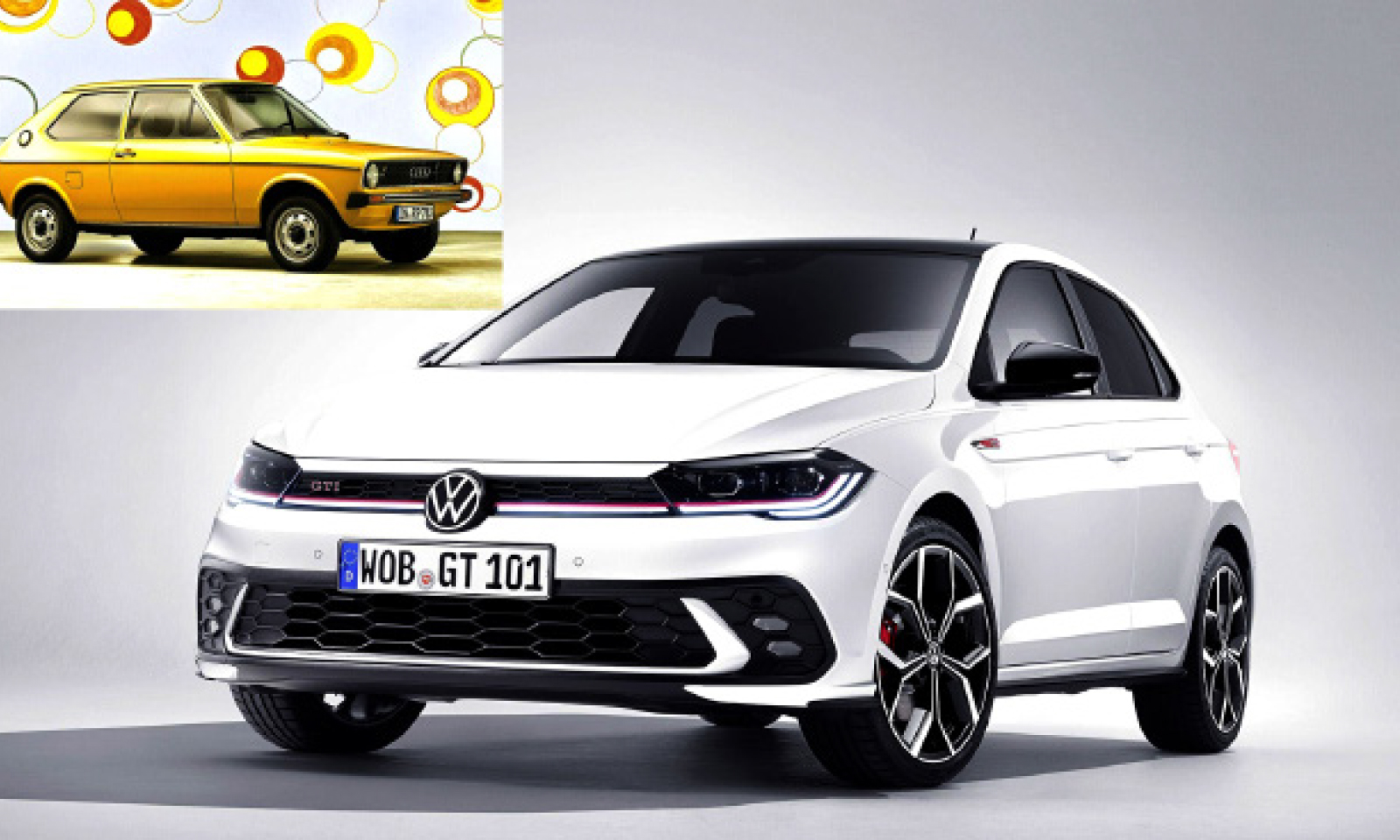
THE Volkswagen Polo is something of a legend.
Despite the surging popularity of sport utility vehicles (SUVs), the Polo Vivo was still South Africa’s most popular passenger car in 2024, while the more expensive latest-generation Polo remains among the country’s most sought-after hatchbacks.
The Polo nameplate has only existed in South Africa for 29 years, and even that original model was not actually a Polo, which we will get to later. But in Europe, the Polo recently celebrated its 50th anniversary, meaning it has been around for almost as long as the Golf.
In fact, the Polo was never originally meant to be a Volkswagen at all.
The first-generation Polo was designed by a German car company called NSU Motorenwerke, which was a specialist in motorcycles and small cars. Interestingly enough, it was the original creator of the rotary engine. However, the rotary engine’s unreliability and resultant warranty claims nearly drove the company under, and in 1969, NSU was acquired by the Volkswagen Audi Group.
NSU’s experience in creating front-wheel drive cars was instrumental to Volkswagen, which was transitioning from rear-engined cars like the Type 3 and Beetle to its modern line-up.
But with the Golf having become a key focus for the Wolfsburg-based brand, the small NSU-developed hatchback was passed on to Audi, which turned it into the Audi 50.
Yet with the oil crisis in full swing in the early 1970s, Volkswagen could not resist the prospect of having another small hatchback in its portfolio, and soon the Audi 50 was stripped down and rebadged as the Volkswagen Polo.
Before settling on its name, VW had toyed with other strange names such as Bonito and Mini Golf, Big Car reports.
Can you imagine trying to dice a Bonito GTI on Winnie Mandela Drive?
The Polo soldiered on in Europe through two generations, and strangely, it was never offered in five-door guise until the third generation arrived in 1994, although a sedan and three-door estate had been offered, the latter arriving with the second generation.
South Africans only got their first taste of the Polo in 1996, with a variation of the third-generation model that was actually based on the VW-owned Spanish brand Seat’s Cordoba saloon.
In fairness, the Seat-based Polo Classic was also offered in Europe, as a saloon version directly based on the Polo hatch was not deemed a worthwhile investment.
While the Polo Classic was earmarked for South Africa, as we were still very much a saloon-heavy market, VWSA soon realised it wanted a hatchback to slot between the ageing Citi Golf and the somewhat expensive Golf 3 of the time.
In 1998, a locally flavoured icon was born, in the form of the Polo Playa.
Given that they had already invested in the Polo Classic, which was also readily compatible with the locally produced Golf and Jetta engines, VWSA decided to create its own version of the Seat Cordoba’s hatchback sibling, the Ibiza.
To do this, they transplanted the front end of the Polo Classic onto the Ibiza’s shell and adapted the rear tailgate to resemble the upcoming Golf 4. This entailed moving the number plate to the rear bumper. The taillight lenses were also a local design.
From 2002 onwards, South Africans were treated to the “real” Volkswagen Polo. This is because VWSA was awarded a major export contract for the fourth-generation model.
This export success story still exists with the sixth-generation Polo, which has helped drive the Kariega-based manufacturer’s annual volumes well beyond the 100 000 mark.
Although the Polo lost any form of South African uniqueness in its transition into an export product, the local flavour returned with the introduction of the Polo Vivo, which replaced the Citi Golf in 2010.
Introduced shortly after the fifth generation entered production, the Polo Vivo was based on the recently discontinued fourth-generation model, allowing the company to create a more budget-oriented product using tooling that had already been paid for and amortised.
This saw the return of some local variations, such as the GTS, as well as the “Citi” edition, later in its life cycle, taking its “red, yellow, blue” inspiration from the Citi Golf.
It was very much a case of rinse and repeat for the second-generation Polo Vivo of 2018, which utilised the fifth-generation Polo’s tooling after the sixth generation was launched.
This Vivo is still in production today, and was recently given a locally designed facelift in a bid to keep it fresh for years to come.
However, it appears history will not be repeating itself as VWSA’s CEO Martina Biene told the media last year that the current Polo will not form the basis of a new Vivo model.
The future of the Polo also remains in jeopardy, with Volkswagen looking likely to discontinue it at the end of this decade. — IOL News



 Online Reporter