Online Reporter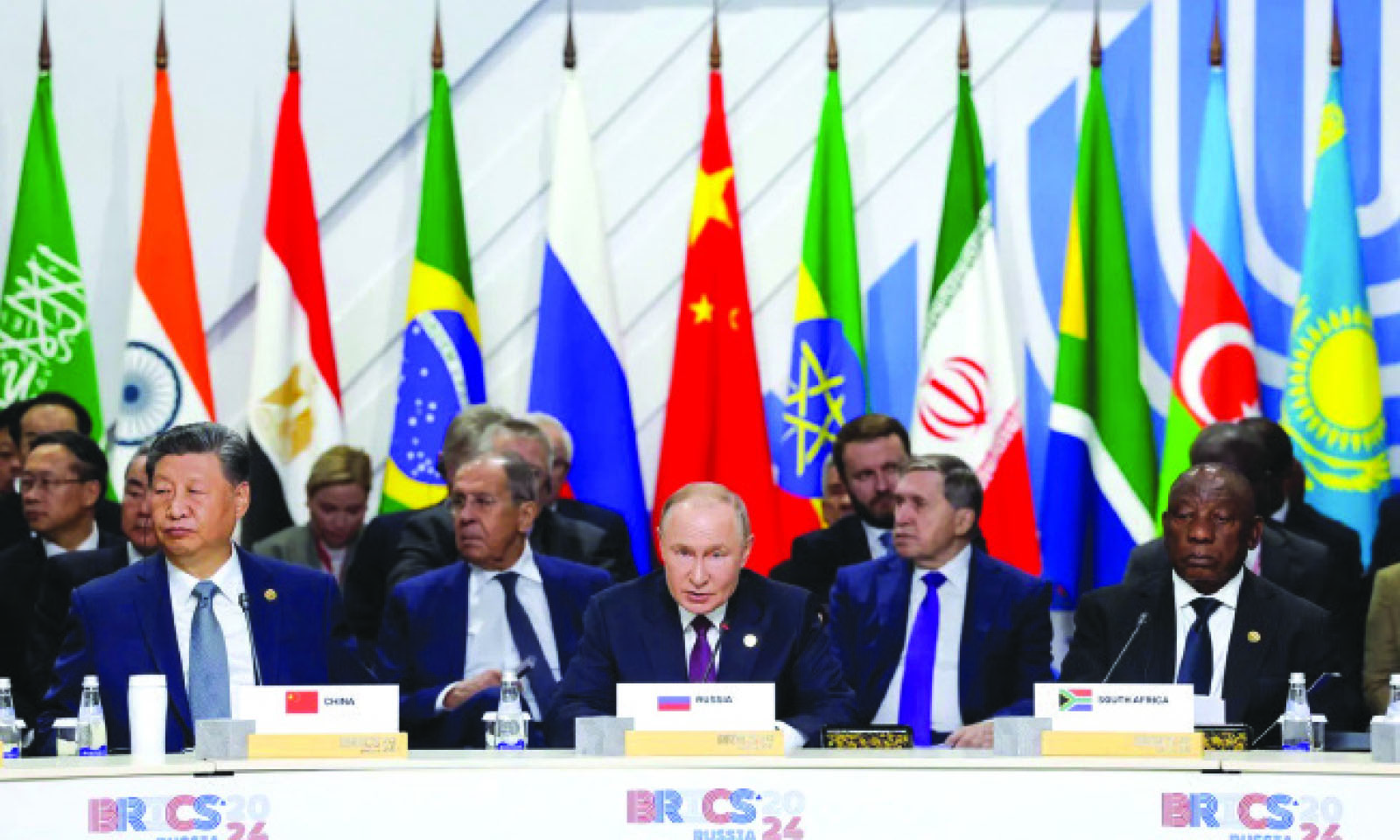
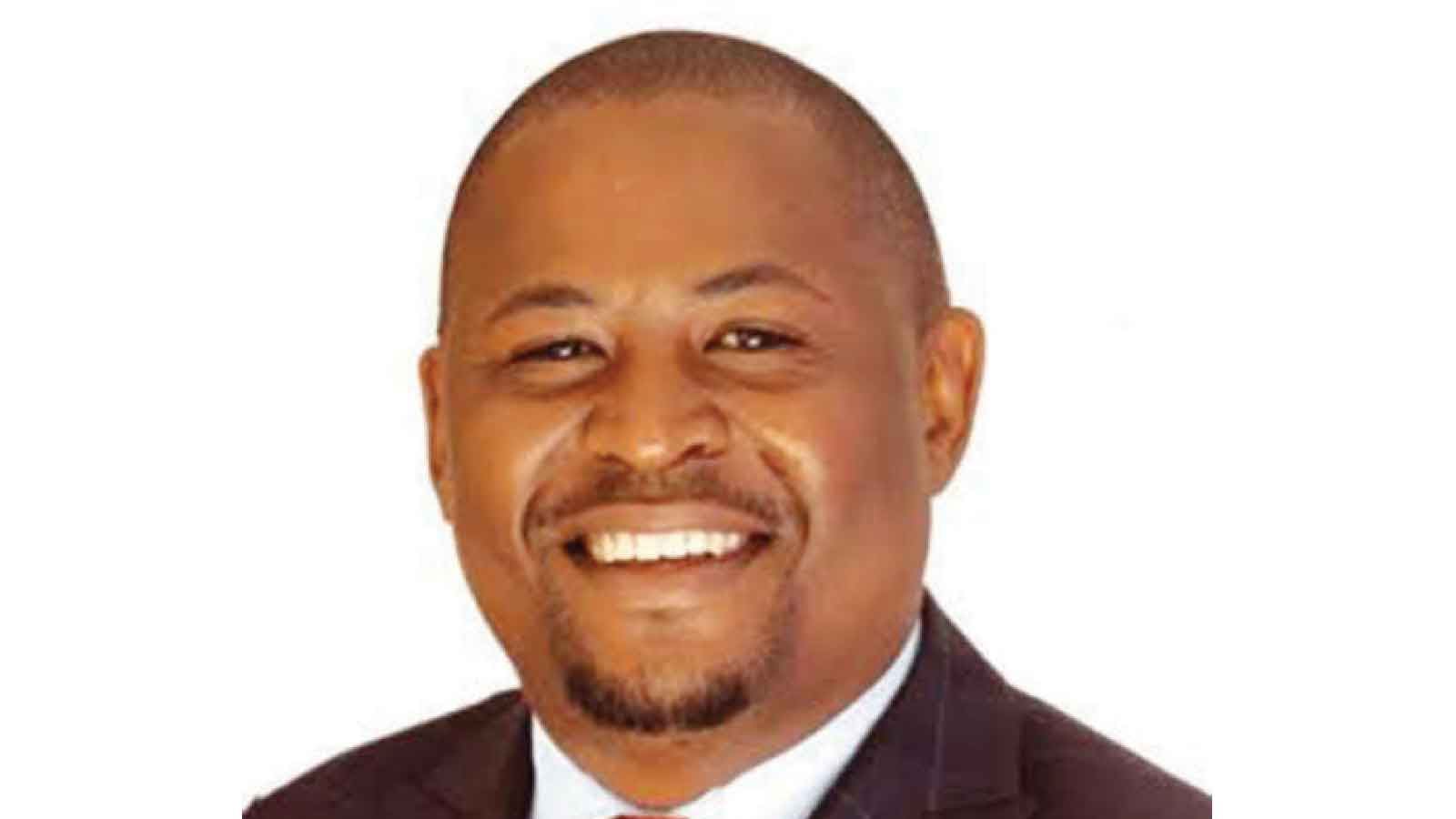
Professor Amon Murwira
ZIMBABWE’S campaign for a non-permanent seat on the United Nations Security Council (UNSC) for the 2027-2028 term is now entering the preparation stage, following formal endorsements by both the Southern African Development Community (SADC) and the African union (AU).
This phase focuses on making Zimbabwe’s candidacy widely known across the global diplomatic community.
The country is positioning itself as a credible representative of Africa on the UNSC, committed to peace, multilateralism and respect for international law.
This aspiration is fully aligned with Zimbabwe’s constitutional values and foreign policy doctrine, which emphasise peaceful co-existence among nations, respect for international law, peaceful resolution of disputes and multilateral cooperation.
As part of our strategic approach, we are ensuring Zimbabwe’s visibility and engagement at both multilateral and bilateral levels.
A comprehensive campaign strategy has already been presented to Cabinet, and we have officially launched our campaign logo, which embodies our values and vision for a peaceful, inclusive and developmental global order.
Zimbabwe has also taken concrete steps to demonstrate its commitment to global peacebuilding.
On May 30, 2025, Zimbabwe became a founding member of the International Organisation for Mediation (IOMED), a body established to promote the peaceful resolution of international disputes through mediation rather than conflict.
The founding ceremony was held in Hong Kong, the People’s Republic of China, alongside 32 other nations.
Our membership of IOMED further strengthens Zimbabwe’s credentials as a country that advocates for dialogue, diplomacy and peaceful dispute resolution.
In the regional context, Zimbabwe’s leadership within SADC, particularly during its tenure as chair, has prioritised innovation in peacebuilding mechanisms.
A notable example is our engagement in the peace process in the Democratic Republic of Congo (DRC).
Our key interventions included supporting the withdrawal of SAMIDRC (the SADC Mission in the DRC), as part of efforts to shift from a military-heavy response to a peace-focused resolution.
We have advocated for a hybrid model of peacebuilding involving both state and non-state actors, rather than relying solely on inter-state efforts. We also played a key role in establishing a regional forum that brings together stakeholders from eastern Africa and the SADC community to coordinate peace initiatives in the eastern DRC. This approach is considered an innovation within regional economic communities’ frameworks.
This peace process is now in the process of being handed over to the African Union, further underscoring Zimbabwe’s role as a proactive and responsible regional actor.
These efforts, both within the region and on the global stage, form the foundation of Zimbabwe’s UNSC bid.
They demonstrate our commitment to building a more peaceful world and contribute to our credibility as a worthy candidate.
Zimbabwe subscribes to the values of the United Nations through the United Nations Charter.
Zimbabwe previously held a non-permanent seat on the UNSC from 1991 to 1993, a period during which we played a constructive role in international peace and security.
As we approach 2027, we are confident that we will once again earn the trust of the international community.
Zimbabwe’s candidacy reflects a principled stance rooted in peace, multilateralism and regional leadership.
We are moving forward earnestly and strategically towards securing the seat.
Reflections on SADC chairmanship
During our tenure as chair of SADC, we placed strong emphasis on innovation for industrialisation and trade, and on leveraging our shared heritage.
This heritage refers to the abundant natural and human resources within the region, resources that should be harnessed to promote regional development and integration.
A key focus was the advancement of the SADC Regional Development Fund, which supports integration, economic cooperation and peace.
We believe peace and integration form the foundation upon which meaningful and sustainable development can take place.
Under the leadership of His Excellency, President Emmerson D. Mnangagwa, we ensured the successful convening of all SADC statutory meetings and the adoption of key resolutions.
We worked tirelessly throughout the year to maintain focus across the region on our two main pillars: integration and peace.
While we acknowledge that much more remains to be done, we are proud to have laid a solid foundation — a brick in the wall — for building a stronger SADC. This effort, we believe, contributes to the larger continental goal of building a prosperous and united Africa.
Handing over DRC peace process to the AU
Yes, the African Union is our continental umbrella body, while SADC and other regional economic communities (RECs) like the East African Community (EAC) are the building blocks of that broader African architecture.
In this analogy, Africa is the house and regional blocs are the bricks that support it.
While SADC initiated and led regional peacebuilding efforts in the Democratic Republic of Congo, the AU is now expected to assume leadership in steering the process towards a continental, sustainable resolution.
Throughout our tenure, our approach to resolving the conflict in the DRC was endorsed by both the AU and the United Nations, particularly the collaborative SADC-EAC-UN model, which recognised the value of regional solutions within a global framework.
I believe we have set a sustainable and inclusive framework.
The conflict in the DRC is complex.
It involves both inter-state tensions — such as those between Rwanda and the DRC — and non-state actors, including rebel groups and other armed movements.
A purely intergovernmental solution will not succeed if it ignores the role of non-state actors.
That is why, for the first time, our approach emphasises the need for both state and non-state actors to come to the negotiating table.
Ceasefires are temporary.
A lasting solution requires open dialogue around a table where all aggrieved parties — governments, communities and armed groups — are represented.
This inclusive, table-based resolution is the dimension introduced by His Excellency, President Mnangagwa, and we believe it offers the best hope for enduring peace.
BRICS, Commonwealth bids
We have formally submitted our application to join BRICS, beginning with the Russian Federation during its chairmanship and continuing with Brazil, the current chair.
All BRICS member states have now received our submission, and we await their collective decision.
We have written to all BRICS countries through the chair — Brazil.
Again, this move aligns with Zimbabwe’s foreign policy focus on multilateralism and economic diplomacy.
We view trading blocs and economic cooperation as essential to development and peace.
BRICS represents a significant platform for advancing global economic justice and South–South cooperation, values that are embedded in our Constitution.
Regarding the Commonwealth, we have also formally submitted our application for re-admission and are currently awaiting a response.
Prof Amon Murwira is the Minister of Foreign Affairs and International Trade. He was speaking to our Reporter Debra Matabvu recently.