admin
admin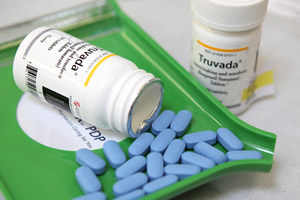
but will suspend support in 2014 owing to financial constraints donor countries are facing as a result of the global recession.
At least 300 000 people are on ARV treatment on the Government programme in Zimbabwe out of over 600 000 that are in need of the drugs.
Currently 35 percent of people receiving ARVs are funded by the Global Fund, 18 percent by USAid, 24 percent by the National Aids Trust Fund (collected from the Aids levy) and 22 percent from the Expanded Support Programme.
The ESP is supported by various donors.
Mr Manenji said it was important to come up with internal solutions to deal with the impending shortfall in funding.
“We have to come up with a number of strategies to deal with the issue and one of them is to efficiently and effectively use the funds that we have,” he said.
Zimbabwe has managed to slow down the spread of the virus using local resources.
“Although we have received less from outside, we have done much better than those receiving and it has been proved that you can do better with internal resources,” he said.
Mr Manenji said people on medical aid could assist by increasing their monthly contributions by at least US$4 to access ARV treatment.
This would allow vulnerable groups to be accommodated on Government-supported initiatives.


 Online Reporter