Online Reporter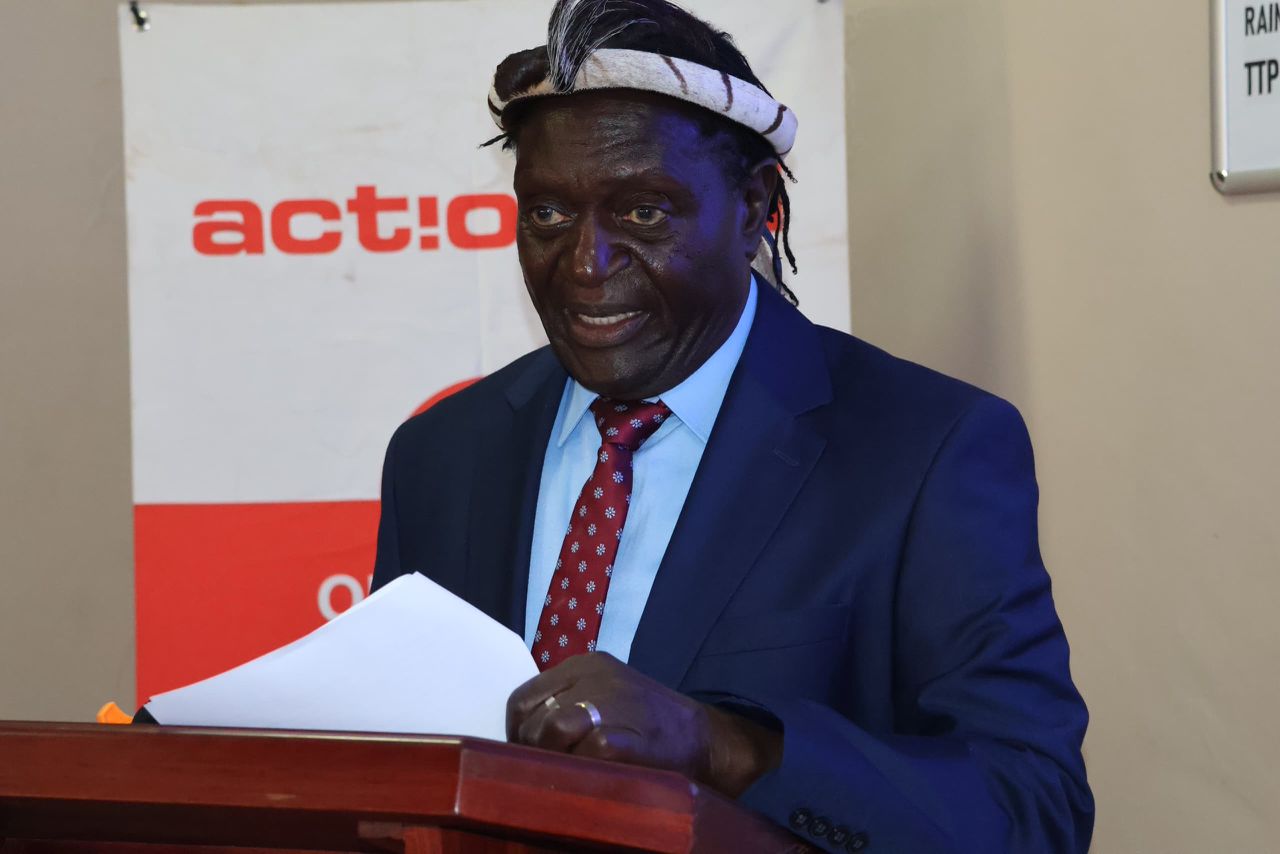
Theseus Shambare
The PARLIAMENT of Zimbabwe has launched an inquiry into the country’s energy minerals sector as the nation positions itself to benefit from rising global demand for strategic resources such as lithium and coal.
The inquiry, being conducted by the Parliament of Zimbabwe Portfolio Committee on Mines and Mining Development, seeks to examine the economic, fiscal and environmental implications of energy minerals extraction.
Chairperson of the committee, Remigio Matangira, said the exercise began in 2025 and is now nearing completion.
Speaking at the stakeholder workshop in Kadoma on Saturday co-hosted by ActionAid Zimbabwe and the Parliament of Zimbabwe, Hon Mtangira said the committee was engaging Government institutions, industry players and civil society organisations to gather input that will inform its recommendations.
“This workshop forms part of an enquiry that is being conducted by the Portfolio Committee on Mines and Mining Development on energy minerals in Zimbabwe.
“The enquiry began sometime in 2025 and the committee is now nearing completion, after which we will conduct field visits to mining areas to meet stakeholders affected by energy mineral activities, including communities,” he said.
Hon Mtangira said energy minerals play an important role in Zimbabwe’s economy, contributing to electricity generation and foreign currency earnings.
“Energy minerals such as coal and lithium contribute significantly to our economy. Coal is key in electricity generation while lithium exports generate foreign currency,” he said.
However, he said the committee was also examining concerns raised by industry players regarding the fiscal framework governing the sector.
Hon Mtangira said during previous engagements with the Chamber of Mines of Zimbabwe, producers raised concerns that multiple taxes could be constraining growth in the sector.
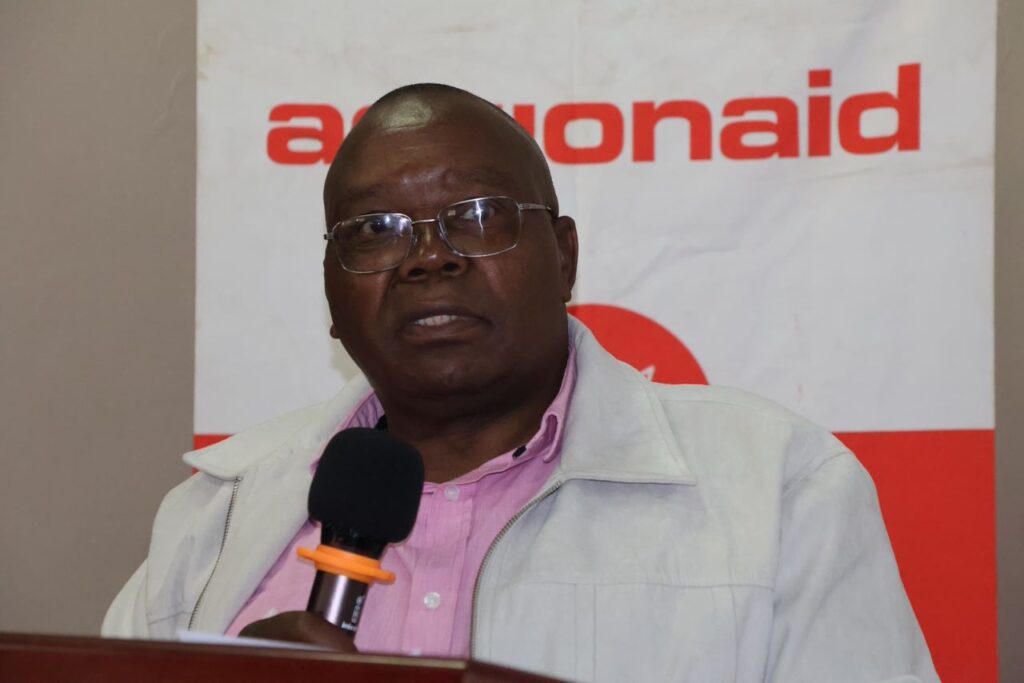
“As a committee we believe communities living adjacent to mining operations should benefit from the resources found in their areas, in line with Section 13(4) of the Constitution,” he said.
He also stressed the need for responsible mining practices to minimise environmental damage and protect communities.
“Minerals are a finite resource and once they are exhausted it is the communities that remain with the environmental impacts such as degraded land and contaminated water systems,” he said.
Meanwhile, ActionAid Zimbabwe Country Director Dr Selina Pasirayi said Zimbabwe’s vast energy mineral resources place the country at the centre of the global transition towards cleaner energy systems.
She said the growing demand for minerals such as lithium presents an opportunity for economic growth but also requires responsible governance.
“Zimbabwe holds significant deposits of minerals that are attracting global interest and investment. These resources present a real opportunity to support national development through economic growth, employment creation and industrialisation,” she said.
“However, the extraction and processing of energy minerals can have far-reaching environmental and social consequences if not properly governed, which is why strong oversight and community participation are essential.”
The committee is expected to compile findings from the inquiry into a report that will guide policy recommendations aimed at strengthening governance and sustainability in Zimbabwe’s energy minerals sector.