Online Reporter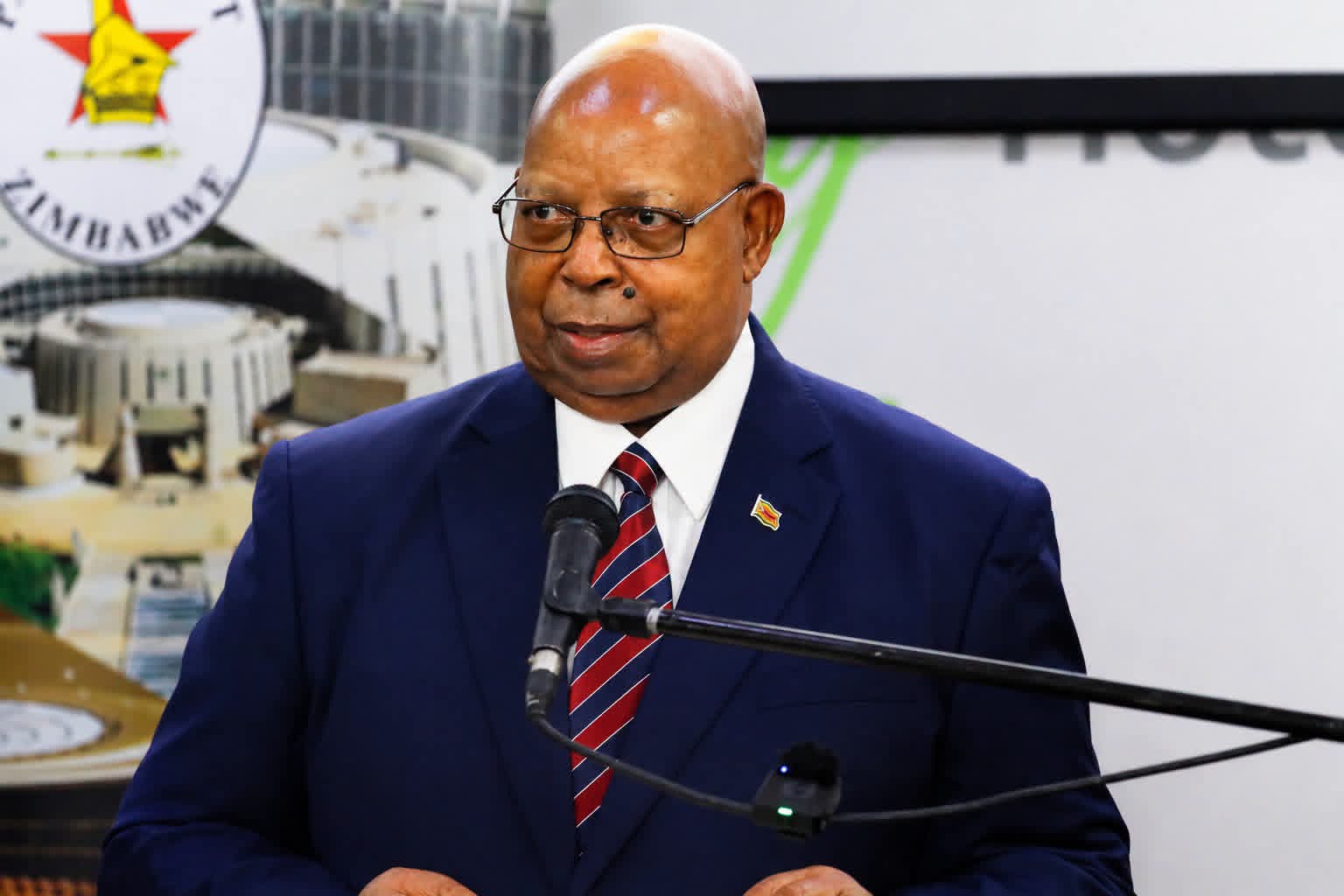
Andile Tshuma
[email protected]
PARLIAMENT must move beyond merely approving national budgets and instead conduct rigorous, evidence-based scrutiny to ensure public funds deliver tangible improvements to the lives of Zimbabweans, Speaker of Parliament Advocate Jacob Mudenda has said.
Speaking during the opening of a Capacity Building Workshop on Budget Analysis for Parliamentary Portfolio Committees in Bulawayo on Friday, Speaker Mudenda said legislators have a constitutional obligation to exercise robust fiscal oversight and hold the Executive accountable for the management of public resources.
The workshop brought together members of the Portfolio Committees on Primary and Secondary Education; Higher and Tertiary Education, Science and Technology Development; Sports, Recreation, Arts and Culture; and Youth Empowerment, Development and Vocational Training to strengthen their capacity to analyse national budgets.
Adv Mudenda said Parliament’s role extends beyond approving expenditure estimates to ensuring that every dollar allocated through the national budget translates into measurable improvements in service delivery.
“Your mandate demands an integrated, whole-of-government oversight paradigm that insists on uncompromising standards of value for money across all Ministries, Departments and Agencies under your jurisdiction and binds every allocation to measurable service delivery outcomes,” he said.
He challenged legislators to move away from what he described as a “perfunctory examination” of the national budget and instead undertake forensic analysis of Government expenditure.
Quoting an African proverb, Adv Mudenda said: “Until the lion learns to write, every story will glorify the hunter,” adding that Parliament must become the author of its own fiscal oversight narrative through disciplined budget analysis.
He said effective oversight begins with a comprehensive understanding of the country’s Public Finance Management framework, which governs every stage of the budget process, from planning and approval to implementation, monitoring and evaluation.
“The Constitution does not merely permit you to scrutinise public expenditure as a courtesy. It commands you to do so,” he said.
Adv Mudenda cited Sections 119, 298 and 299 of the Constitution, saying they place all State institutions under Parliament’s oversight while requiring public funds to be managed transparently, efficiently and in the public interest.
He urged legislators to interrogate whether budget allocations adequately address national priorities, promote equity and deliver measurable developmental outcomes.
“The power of the purse is hollow unless it is exercised through disciplined scrutiny,” he said.
The Speaker outlined four guiding principles for budget oversight — adequacy, priority, equity and effectiveness — saying every committee should assess whether allocations sufficiently address development challenges, reflect national priorities, leave no one and no place behind, and improve citizens’ livelihoods.
He also encouraged Parliament to embrace modern analytical tools, including artificial intelligence, public expenditure tracking systems and data analytics, to strengthen oversight and improve decision-making.
“To answer these questions with robust precision, your committees must harness the power of Artificial Intelligence, public expenditure tracking systems, data analytics and performance dashboards,” he said.
Adv Mudenda urged committees to benchmark Zimbabwe’s budget allocations against international standards, including UNESCO education targets, the SADC Protocol on Education and Training, the Global Innovation Index and African Union frameworks on youth empowerment and cultural development.
He further encouraged Parliament to learn from best practices in countries such as South Africa, Kenya and the United Kingdom, where legislatures have invested in independent budget analysis and institutional research capacity.
“Effective budget analysis is never an act of solitary brilliance but the fruit of institutionalised capacity, independent evidence and disciplined Select Committee scrutiny,” he said.
Adv Mudenda said strengthening Parliament’s analytical capacity would enable legislators to better represent citizens by ensuring that public expenditure contributes meaningfully towards the attainment of Vision 2030 and the National Development Strategy 2.
The workshop continues with technical sessions focusing on public finance management, budget analysis methodologies and sector-specific fiscal oversight.


 Blessing Chizhande