Online Reporter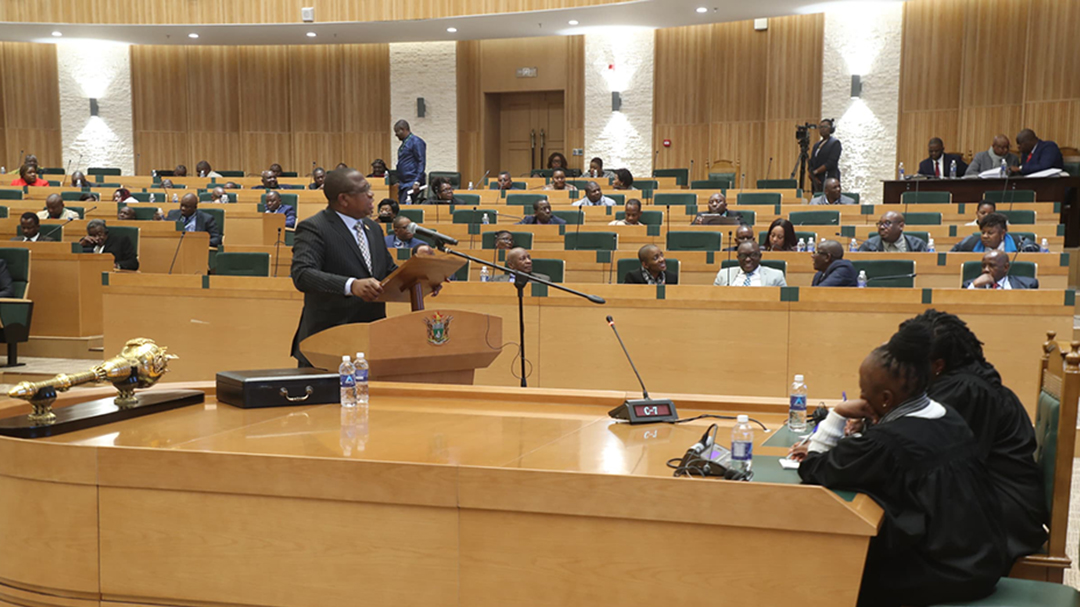
Farirai Machivenyika-Senior Reporter
DEBATE on the Mid-Term Budget Review statement presented by Finance, Economic Development and Investment Promotion Minister, Professor Mthuli Ncube, at the end of last month will commence today as Parliament resumes sitting following the Heroes Day and Defence Forces Day commemorations.
Prof Ncube presented the review statement on July 31 in the National Assembly, and debate was adjourned to today.
In his statement, the Finance Minister highlighted the need to review levies and licences, responding to calls from captains of industry for the Executive to streamline statutory obligations and the regulatory framework, providing businesses with some much-needed breathing space.
Prof Ncube also reported that the economy remains on track to achieve the targeted growth of 6 percent, despite a slowdown from 5 percent to 1.7 percent last year, largely due to the impact of the El Niño-induced drought.
Fiscal revenue and expenditure, he said, performed in line with projections during the first six months of the year.
Addressing concerns raised by economic analysts, taxpayers and business groups, Prof Ncube outlined immediate plans to review Zimbabwe’s taxation framework, stressing that reforms would be implemented without compromising fiscal sustainability.
“In recognition of the concerns raised by taxpayers and business representative organisations such as the Chamber of Mines, Confederation of Zimbabwe Industries and Zimbabwe National Chamber of Commerce, Government will continue to review the existing tax system with a view to reducing reported and observed distortions,” he said.
Prof Ncube said the reforms are aimed at creating a conducive business environment to attract both domestic and foreign investment, foster innovation and promote sustainable economic growth by streamlining regulations, reducing compliance costs, and eliminating bureaucratic inefficiencies.
“In practical terms, the second half of 2025 will see the Government seized with implementation of business reforms, from cutting licensing fees to digitising application processes,” Prof Ncube said.
“Zimbabwe’s leaders intend to reduce the operational cost of domestic industry to enable it to compete both domestically and internationally.
“Investment and compliance to tax legislation are critical for a sustainable domestic resource mobilisation framework.”