admin
adminThe banks are now reducing their deposits in foreign banks to levels nearer what they need to continue clearing their customers’ foreign payments, bringing the rest back.
The Government agreed to liquidate another US$110 million of its special drawing rights to boost liquidity, and incidentally pay off some of its local debts, fund some of its capital works and add to the reserves the RBZ needs for coping with overnight accommodation demands from banks.
The potential crisis is largely diffused.
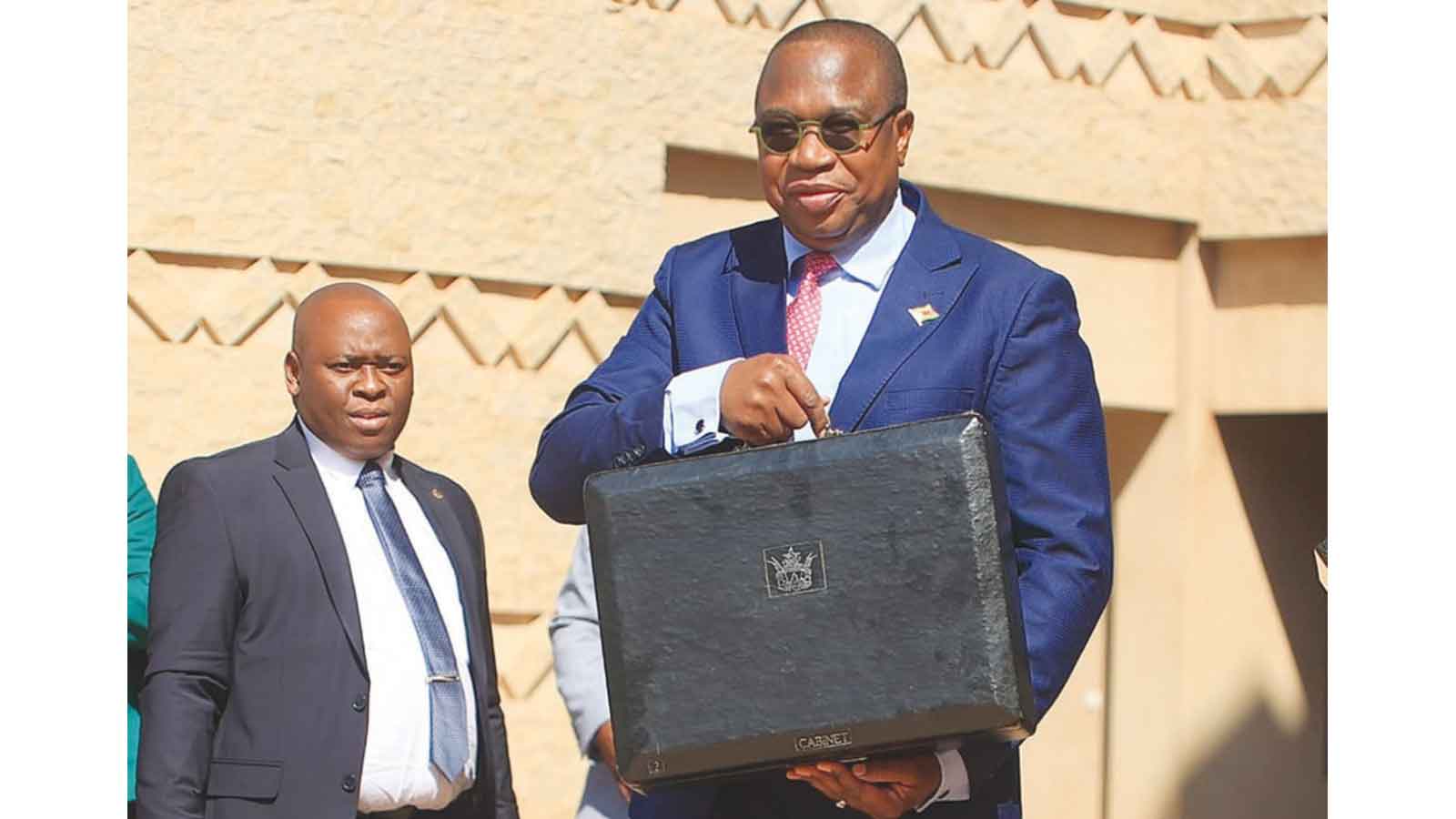
There was a trace of smugness in Minister Tendai Biti’s report on Monday to the Parliamentary Portfolio Committee on Budget, Finance and Investment Promotion, but then he was reporting success.
Having a larger proportion of their funds within Zimbabwe will help some of the larger banks back the productive sector within Zimbabwe.
They need, as both the Minister and Governor Gideon Gono have pointed out, to retain their nostro accounts externally, but a balance needs to be struck between internal and external holdings.
The banking sector does not seem to be objecting to a heavier internal loading. As the minister reported, dialogue was the key to success, rather than heavy-handed instructions.
Presumably this dialogue allowed the banks to explain their ideas and policies and almost certainly get an idea of Government policy on banking, which probably explains why they now feel they can get by with lower amounts in their external accounts.
The risk is lower than perceived of keeping money in Zimbabwe.
The minister also confirmed that he and Governor Gono have mended fences.
A lot of people were benefiting from the battles between the Treasury and the central bank, and the people who were benefiting should not have been.
Almost everyone has noticed that over the last couple of years the Treasury and RBZ have been moving closer, largely because they now concentrate on their own responsibilities, without encroaching on the proper preserve of the other, and then simply have to align fiscal and monetary policies.
That, in any country, is not always simple. But as Zimbabwe becomes ever more “normal” it has become possible. No doubt these Monday meetings produce some interesting, if esoteric, debate.
Both the Government and the RBZ have some excellent economists on their staffs and those dealing with such experts must sometimes feel the late US president Harry Truman had a point when he reportedly asked for a one-armed economist, as he was tired of hearing: “On the one hand . . . and on the other hand . . . ”
But such debate can, with sensible leadership, often lead to the right conclusions, and that appears to be happening now.
But the advantages to both the State Treasury and the national central bank when they work together and can present a united front are so immense that the incentives to come to agreement are large.
When the two organisations do present a single front, politicians, bankers, speculators and everyone else usually have to go along with them. Making money from a misalignment between fiscal and monetary policy is not longer an option.
The remaining problems of the banking sector appear, from what both the Minister and the Governor say, to centre on the smaller and weaker banks.
The opening of the banking sector more than a decade ago has produced some outstanding successes.
There are now several new Zimbabwean-owned banks who can sit on the top table with the bigger foreign banks and the two older Zimbabwean banks, both of which were founded by foreigners but later had their shareholding localised.
Zimbabwe can be proud it had the skilled bankers and the investors who could create these new banks, which has opened up the financial markets in many ways.
But some of the new banks are not on that top table although all now seem to have found the minimum capital they need.
Both the minister and the Governor are very keen to see these smaller and weaker banks merge, or presumably be taken over by larger Zimbabwean banks.
The minister told the portfolio committee that he thought having 10 strong banks was far more sensible than having 23 banks, some of them very weak and needing constant monitoring and hand-holding.
He warned that forced mergers were possible, but would obviously prefer the shareholders of the smallest banks to stop trying to be big fishes in very tiny ponds and instead pool their banks into a single entity with a decent branch network.
Such a move would give the many businesses in the smaller towns either a bank with a branch in their town, or even better allow many of these towns to host two or three bank branches, so that there is competition right down the line.
But considering that this pressure to merge is now coming from both the Treasury and the Reserve Bank, we do not expect mergers to be delayed indefinitely.
Zimbabwe is already benefiting from the new normality, and can only benefit more.


Online Reporter
- Herald
- July 31, 2026
- 28 views
Economy: Growth signs visible
Martin Kadzere Senior Business Reporter ZIMBABWE has made significant progress towards achieving upper-middle-income status, with the country’s Gross National Income per capita growing by 84 percent since 2021, Finance, Economic…