Online Reporter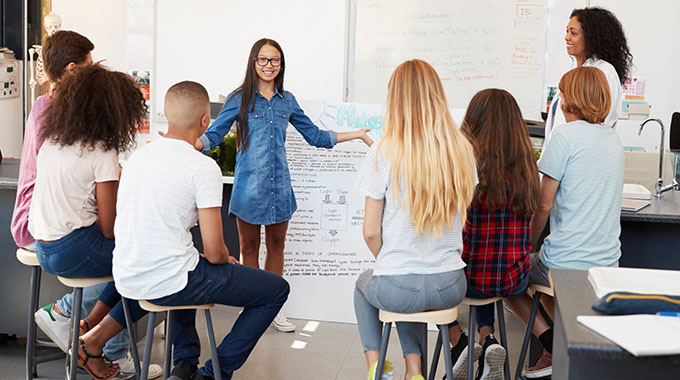
LEARNING does not only take place when a teacher stands in front of a class and delivers a lesson. Some of the most valuable learning experiences occur when students interact with one another. This approach, known as peer-to-peer learning, is becoming increasingly important in modern education because it encourages active participation and collaboration among learners.
Peer-to-peer learning occurs when students learn from and support one another in the learning process. It can take place through group work, pair work, class discussions, debates, presentations, study groups and peer tutoring. Instead of relying solely on the teacher for information, students share ideas, explain concepts and solve problems together.
One of the greatest benefits of peer-to-peer learning is that it improves understanding. When students explain a concept to their classmates, they often use language that is easier for fellow learners to understand. Sometimes a student may grasp an explanation from a peer more quickly than from a textbook or formal lecture.
Peer learning also builds confidence. Many students are shy when speaking in front of teachers but feel more comfortable sharing ideas with their classmates. Through discussions and presentations, learners develop communication skills, self-esteem and the courage to express their opinions.
Another advantage is that peer-to-peer learning promotes teamwork. In today’s world, employers value individuals who can work effectively with others. Group projects and collaborative activities teach students how to listen, cooperate, share responsibilities and respect different viewpoints.
Peer tutoring is another powerful form of learning. Students who excel in a particular subject can assist those who may be struggling. This benefits both learners. The student receiving help gains a better understanding of the topic, while the tutor reinforces and deepens their own knowledge.
In addition, peer learning develops critical thinking skills. During debates and discussions, students are challenged to analyse information, defend their views and consider alternative perspectives. These are important skills for academic success and lifelong learning.
Technology has also expanded opportunities for peer learning. Students can form online study groups through educational platforms and messaging applications where they exchange notes, discuss assignments and prepare for examinations together.
However, for peer-to-peer learning to be successful, students must remain focused on academic goals. Group work should not become an opportunity for socialising or copying answers. Learners should participate actively, respect one another’s contributions and ensure that everyone has an opportunity to contribute.
Teachers and parents should encourage students to embrace peer learning. By working together, students can improve academic performance, strengthen social skills and become more independent learners.
As the African proverb says, “If you want to go fast, go alone. If you want to go far, go together.” Peer-to-peer learning reminds us that education is often most effective when students learn together.