Bongani Ndlovu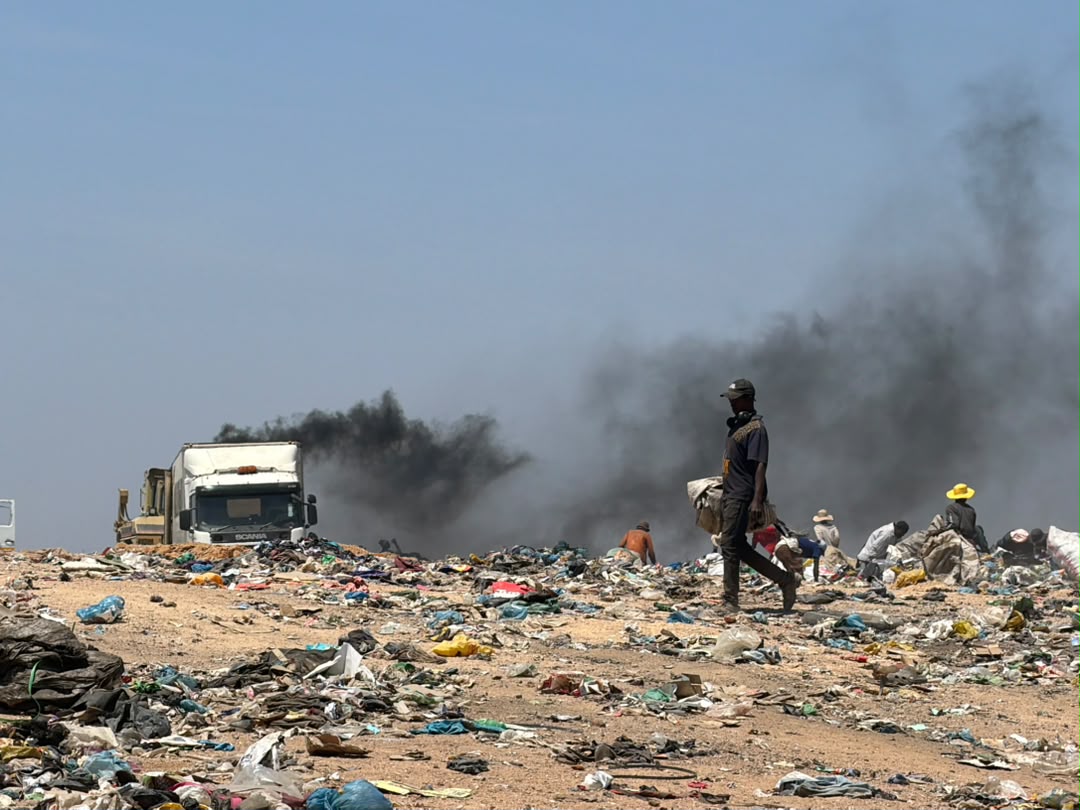
Eliah Saushoma
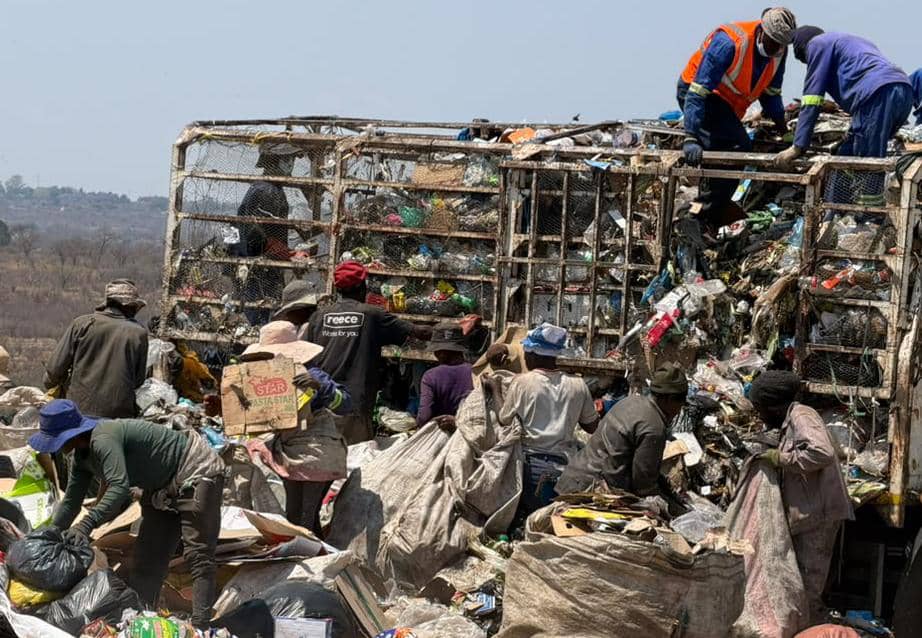
AT Bulawayo’s Ngozi Mine landfill, the city’s waste crisis is reflected in a landscape shaped by environmental degradation, public health concerns and human resilience.
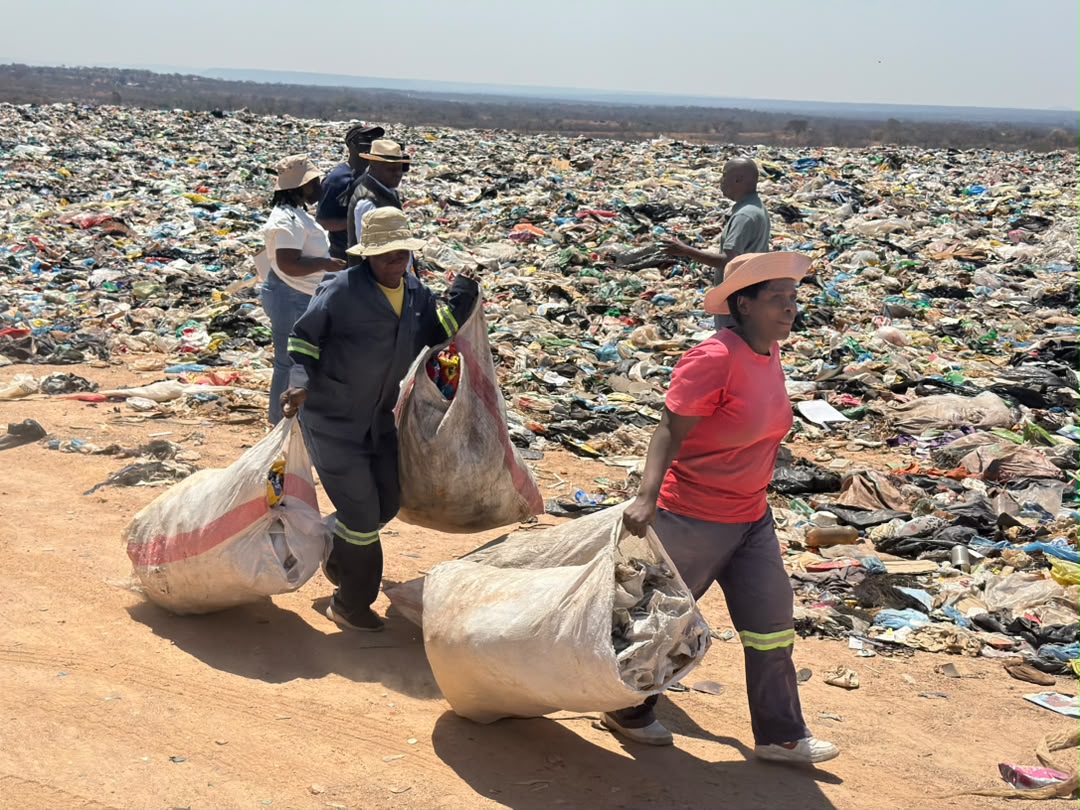
As Zimbabwe steps up efforts to improve waste management and tackle climate change, members of the Editors Forum on Thursday toured the landfill to gain firsthand insight into the challenges facing the city and surrounding communities.
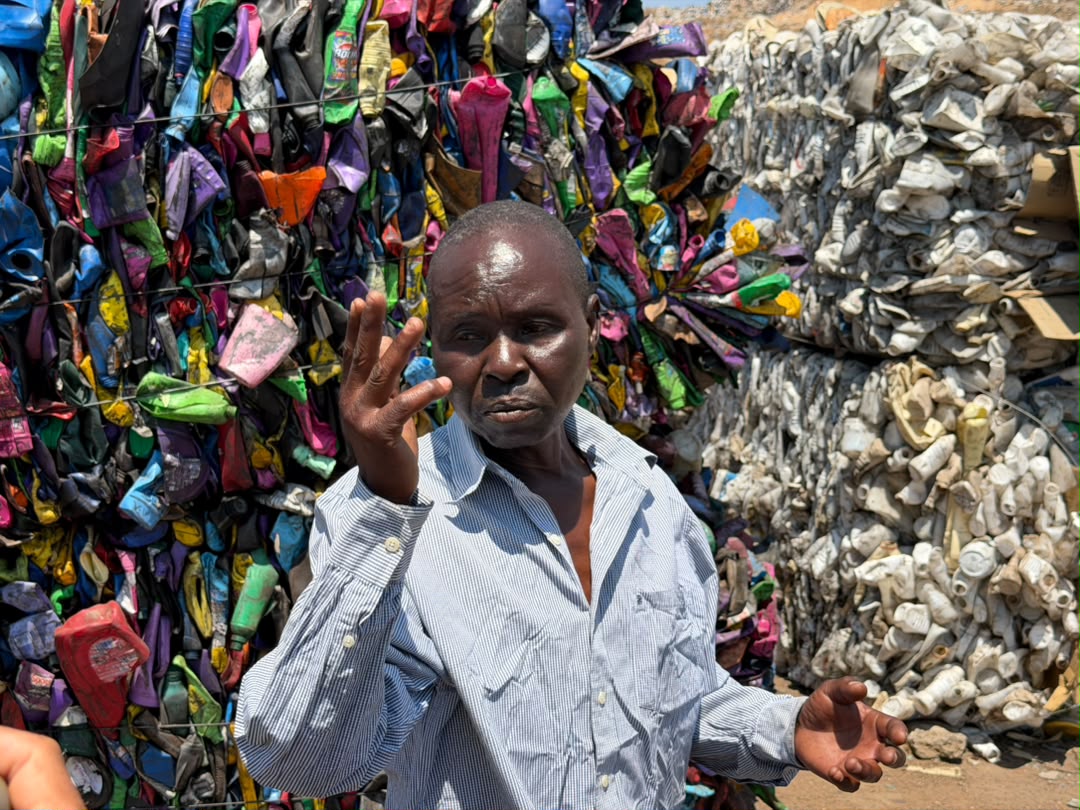
The media leaders engaged nearby residents, community leaders, representatives of the National Residents Association and informal waste pickers who depend on the landfill for their livelihoods.
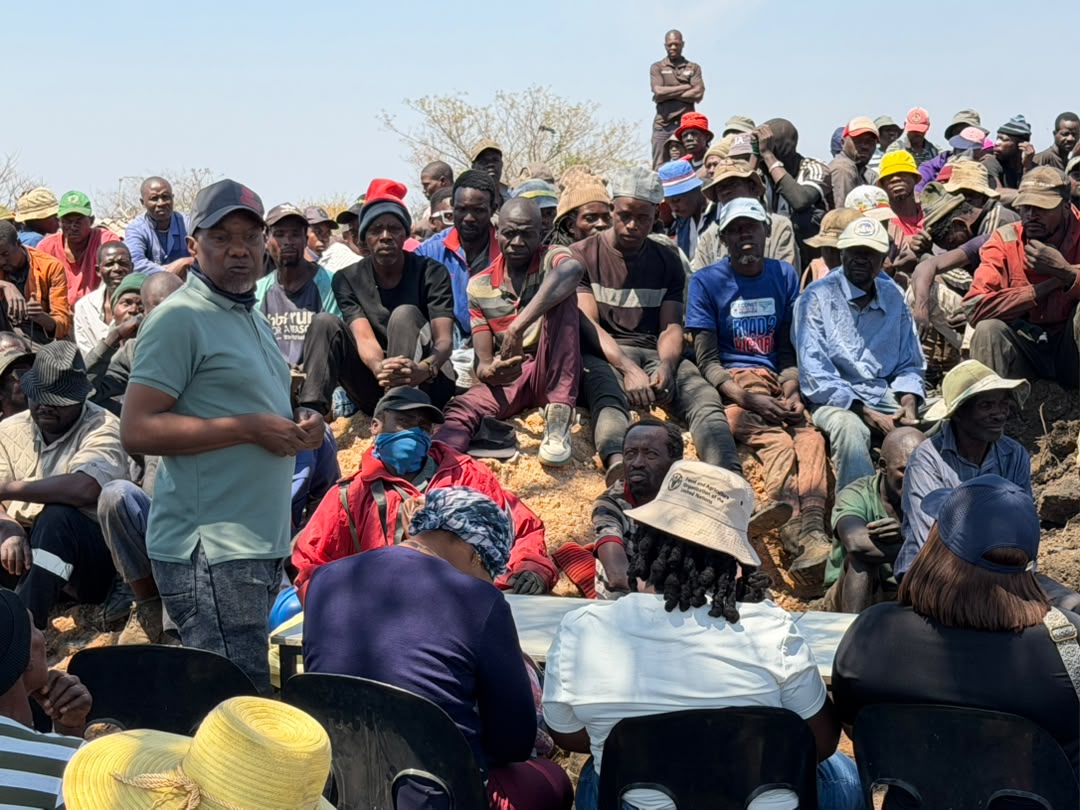
Through compelling images, this photo essay captures the people, environmental challenges and daily realities at Ngozi Mine, highlighting the urgent need for sustainable waste management.
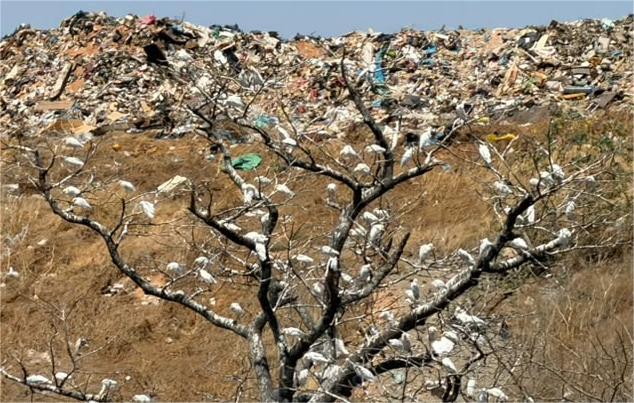
Ngozi Mine was established in 1994 and has continued operating beyond its originally projected lifespan.
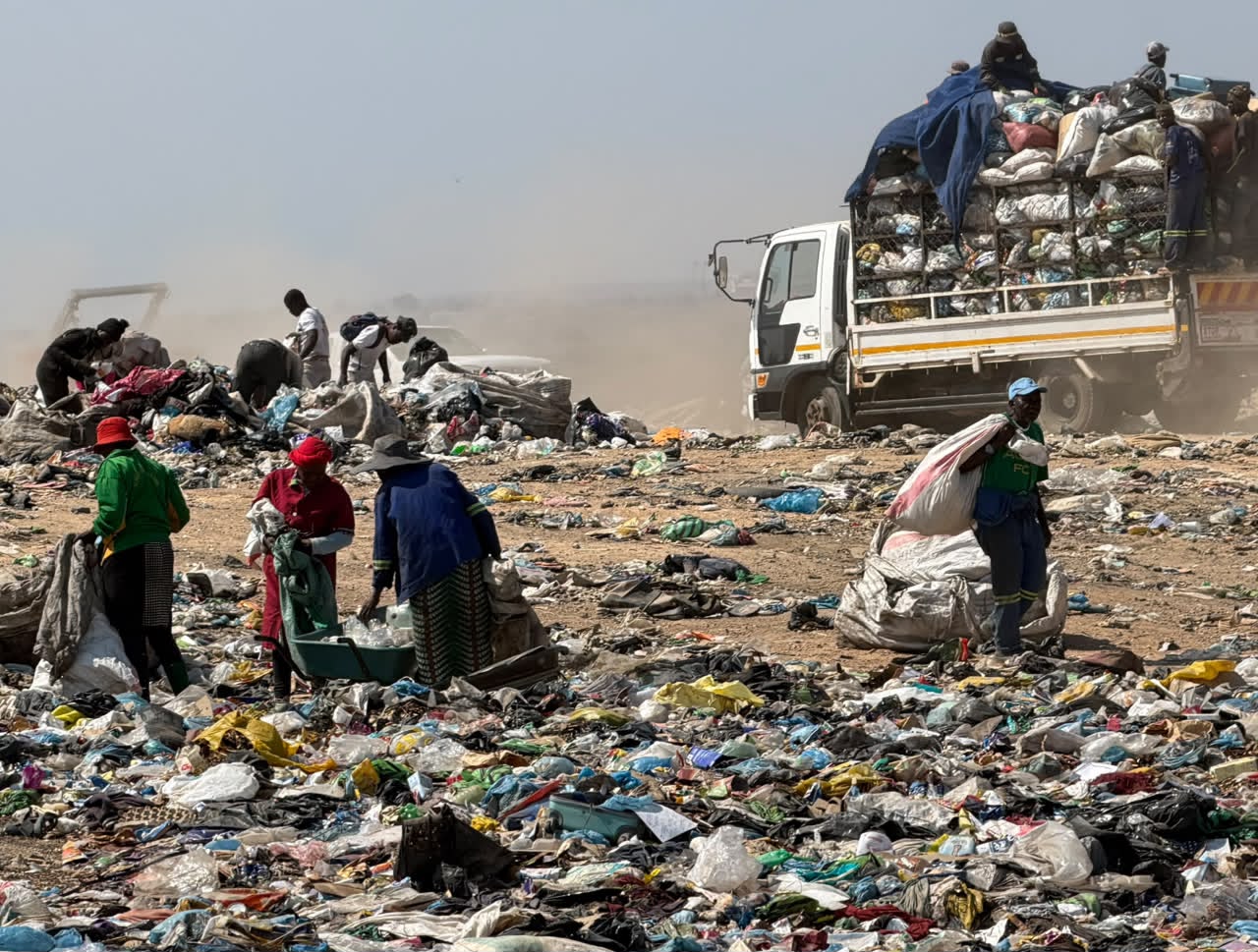
The site has since become a major waste-management challenge for Bulawayo, with concerns also being raised about the environmental impact of fires and possible contamination from waste.
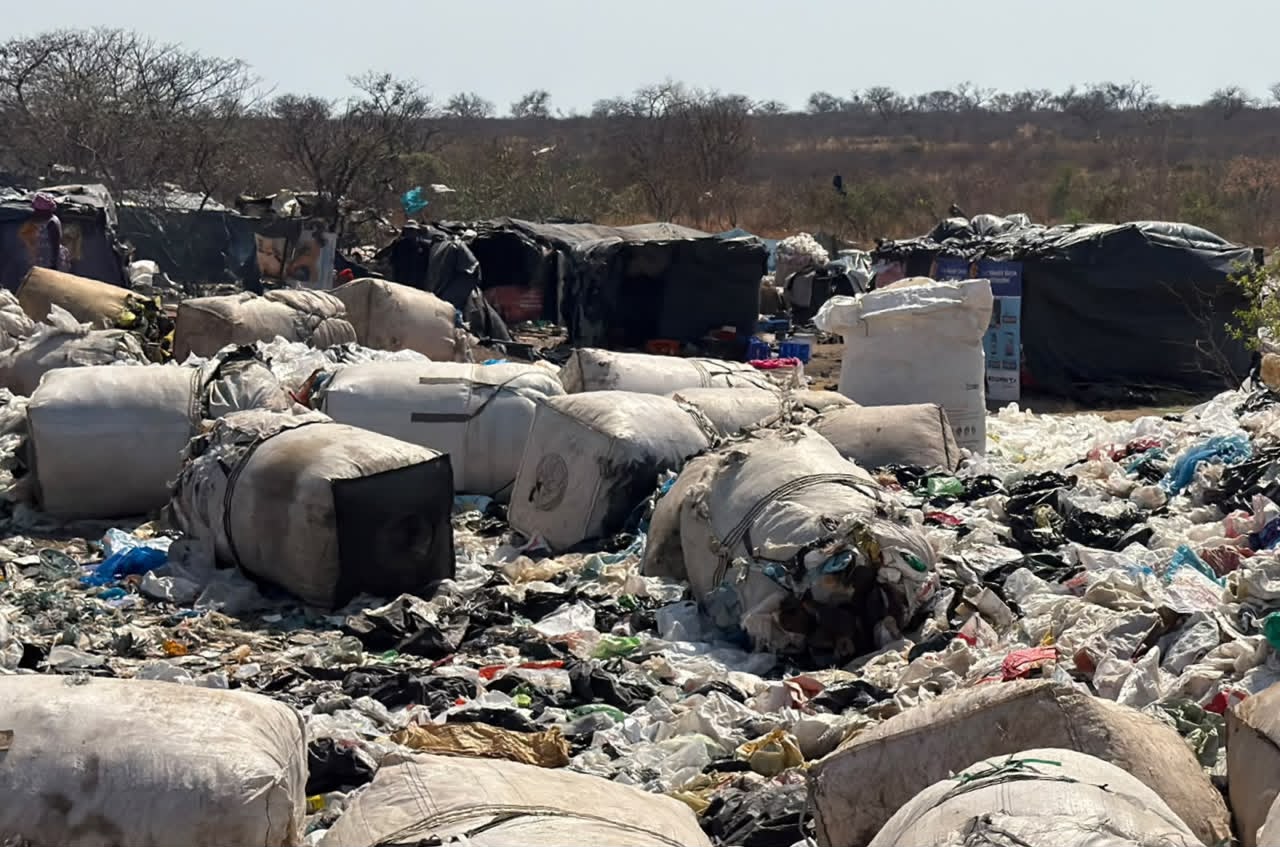
The situation at Ngozi Mine comes as authorities consider alternative approaches to waste management, including the possibility of adapting the Geo Pomona model being implemented in Harare.
President Mnangagwa has directed that urgent action be taken to address the pollution crisis at Ngozi Mine, with the City of Bulawayo and Geo Pomona Waste Management expected to work towards a solution.



 Online Reporter