Online Reporter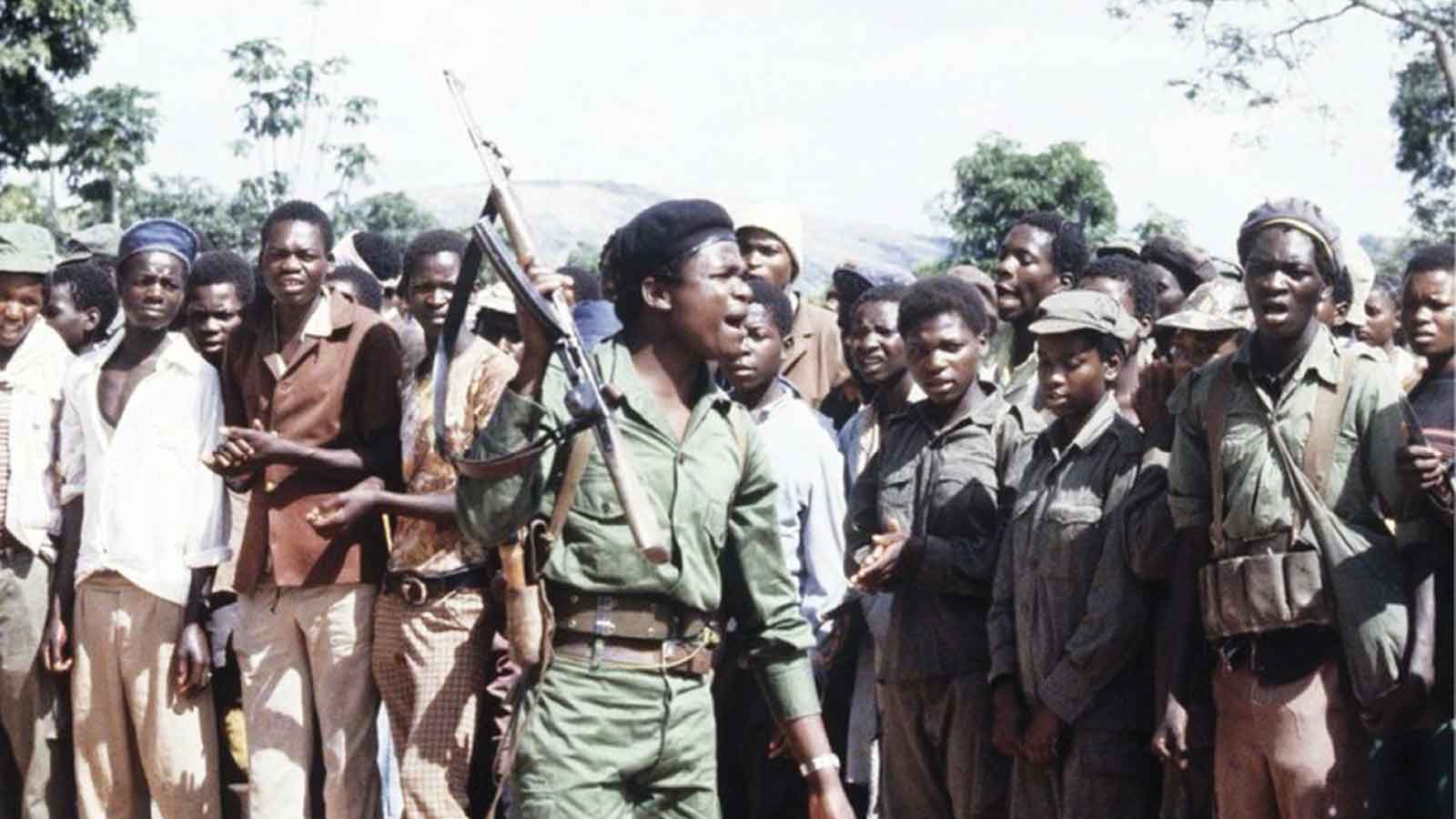
Lloyd Makonya
Correspondent
ZIMBABWE’S liberation struggle is often told through heroic battles, daring operations and iconic figures whose names now echo through history.
Yet, beyond the gunfire and the battlefield victories lies a quieter, more insidious dimension of the war which was fought not with bullets, but with temptation.
Recently, I came across a chilling relic of that era, a Rhodesian flier, circulated at the height of the liberation war, offering monetary rewards to anyone willing to provide information leading to the capture of guerrilla fighters, their commanders, or the recovery of their weapons. Written in the vernacular, the message was deliberate and direct. It spoke, not to the colonial authorities, but to the ordinary black Zimbabwean, the villager, the farmer, the worker.
The rewards were substantial with figures ranging from $1 000 to $5 000 being promised. These were amounts capable of transforming lives in impoverished rural communities. In today’s terms, these were not mere incentives; they were calculated instruments of psychological warfare.
This was not just about intelligence gathering. It was about testing loyalty. It was about probing the moral fabric of a people under siege. By couching the message in local language, the Rhodesian regime sought to make betrayal accessible, even justifiable. It attempted to reduce a national struggle for freedom into a personal economic decision: a brother weighed against a banknote, a sister against a promise of wealth. It was, in essence, an invitation to trade principle for profit, a modern echo of the age-old tale of “pieces of silver.”
Undoubtedly, such offers may have swayed a few. History acknowledges the existence of sell-outs, individuals who, under pressure or persuasion, chose self-preservation or material gain over collective liberation. But these instances, while real, do not define the struggle.
What stands out more profoundly is the resistance of the majority. Despite poverty, despite fear and despite the ever-present lure of money, the majority of Zimbabweans chose silence over betrayal. They chose to shield the freedom fighters, to feed them, to guide them and to protect them even when doing so invited brutal reprisals. Villages were burnt, people were beaten and lives were lost. Yet the resolve held.
This is where the true story lies, not merely in the rejection of money, but in the affirmation of principle. The liberation struggle demanded more than physical courage; it demanded moral clarity.
It required ordinary people to understand that freedom could not be bought cheaply, nor could it be achieved through compromise with oppression. The flier, in its simplicity, exposed the regime’s miscalculation, it underestimated the depth of conviction among the very people it sought to divide.
For many, the war was never about immediate comfort. It was about a future not yet seen, a Zimbabwe where dignity would replace subjugation, where land and identity would be reclaimed. In that context, the promised rewards, however large, became insignificant when weighed against the ultimate prize of independence.
The rejection of these monetary temptations was, therefore, not accidental. It was a collective assertion of values. It demonstrated that the struggle had transcended material considerations and had become a moral cause rooted in justice, identity and self-determination.
Today, as we reflect on such artifacts, they serve as more than historical curiosities. They challenge us to ask difficult questions about our present. What would we do when faced with similar choices? Would we hold firm to principle, or would we yield to convenience and gain?
The liberation war reminds us that nationhood is not only forged in moments of victory, but also in quiet decisions made by ordinary people. Decisions to stand firm, to resist temptation and to believe in something greater than oneself.
In the end, the Rhodesian regime could put a price on information, but it could not put a price on conviction. And that is why the majority chose, not the money, but the nation.