Online Reporter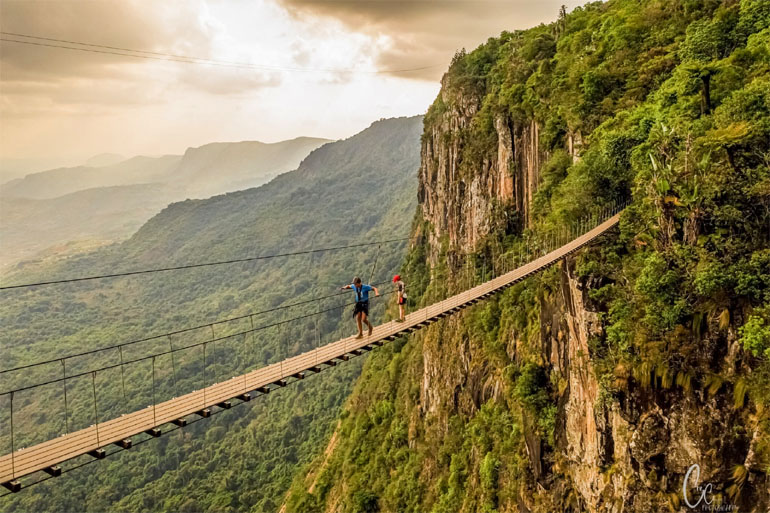
Liberty Dube
Tourism Correspondent
THE Eastern Highlands of Manicaland have long been whispered about as one of Zimbabwe’s most enchanting corners — a land where mist clings to rolling mountains, waterfalls carve silver lines through green valleys, and the air itself seems gentler.
But in 2026, Manicaland is no longer a quiet secret. It is stepping firmly into the spotlight as a vital engine in the country’s tourism resurgence, with hotel rooms filling faster than ever before.
New figures in the Zimbabwe Tourism Authority’s 2026 Tourism Performance Report Highlights show a sector regaining momentum.
Nationally, international arrivals rose by 11 percent in the first quarter, from 347 555 in 2025 to 384 561.
Revenue grew by 14 percent to US$251 million.
Domestic tourism also surged, with trips increasing from 1,94 million to 2,62 million — a clear sign that Zimbabweans are rediscovering the beauty of their own country.
Within this broader recovery, Manicaland stands out as a quiet success story.
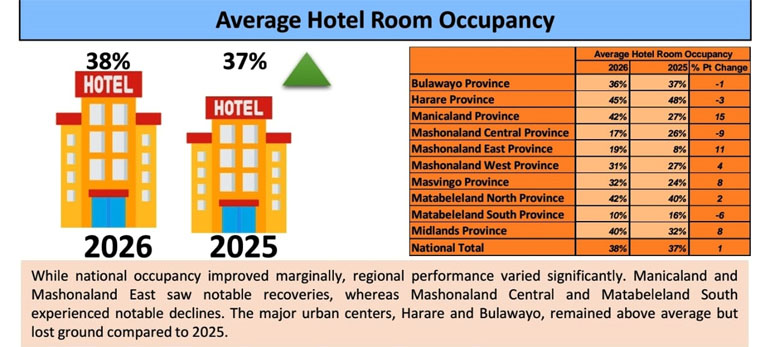
While national hotel occupancy improved only marginally, the regional picture is more striking.
Manicaland recorded one of the strongest rebounds in occupancy, alongside Mashonaland East, at a time when other regions struggled.
Mashonaland Central and Matabeleland South saw declines, while even Harare and Bulawayo, though still above average, slipped compared with last year.
In Manicaland, the trend is different.
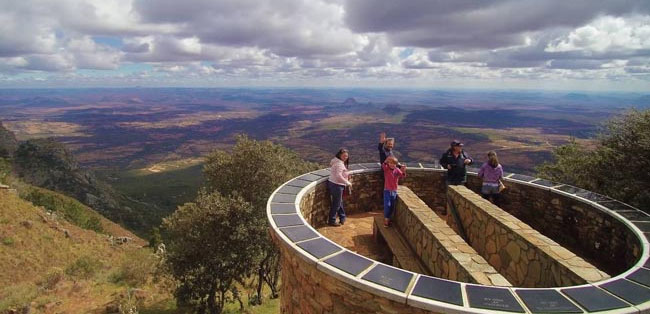
Hotels that once relied on seasonal peaks now enjoy steadier guest flows. Lodges tucked into mountain slopes, boutique hotels overlooking tea estates and guesthouses in small towns are all reporting renewed activity.
The region’s appeal lies, not only in its natural beauty, but in offering something increasingly sought after — a sense of escape.
The growth is fuelled by both international curiosity and domestic enthusiasm. Overseas arrivals rose by 16 percent, and now account for 25 percent of total visitors.
These higher-spending travellers are drawn to destinations that feel untouched and authentic — qualities Manicaland embodies.
At the same time, domestic tourism is providing a stable foundation. Families visiting relatives, church groups and students are all contributing to rising occupancy.
In Manicaland, they are staying longer, exploring more deeply and spending more within local communities.
This dual momentum has cushioned the province against global headwinds.
The report notes that geopolitical tensions, notably the “Iran War effect”, disrupted travel in March.
Rising fuel costs, altered flight routes and reduced confidence led to a 12 percent drop in inbound tourism that month, with overseas markets hardest hit.
Such shocks highlight the risks of over-reliance on long-haul travel.
Yet in Manicaland, the strength of regional and domestic tourism has softened the impact.
Visitors from across Africa, who now make up 75 percent of arrivals, continue to travel despite global instability, helping to sustain occupancy.
Behind this resilience is a broader transformation in Zimbabwe’s tourism landscape.
International recognition has boosted the country’s profile. Being named among Forbes’ top destinations in 2025 and winning “Destination of the Year for Natural Wonders” at ITB Berlin 2026 has placed Zimbabwe firmly on the global map.
Leadership has also played a role.
Tourism and Hospitality Minister, Honourable Barbara Rwodzi was named Tourism Minister of the Year (Africa), reflecting the sector’s recovery and strategic direction.
Under her stewardship, improved air connectivity, expanded flight networks and cluster-based tourism development are beginning to bear fruit.
For Manicaland, these developments are significant.
Better access means more travellers can reach the region by air or road.
Cluster-based development, which links attractions, accommodation and local experiences, encourages visitors to spend more time within the province.
Tourism in Manicaland is also evolving beyond landscapes to experiences. From hiking in the Eastern Highlands and exploring cultural heritage sites to tea tasting and enjoying the tranquillity of nature, the province offers a diverse range of activities for different travellers.
Challenges remain. The report warns of short-term volatility.
If fuel costs stay high and flight disruptions persist, overseas arrivals may stagnate — a concern for a region increasingly reliant on international visitors. Yet there is cause for optimism. Regional African tourism is expected to remain stable, providing a buffer against global shocks.
Zimbabwe’s strong start to 2026 also offers a solid foundation for recovery once geopolitical tensions ease.
Experts say the way forward lies in building resilience — reducing dependence on long-haul markets and focusing more on regional travellers.
Developing innovative packages, such as overland and rail itineraries, could also lessen vulnerability to air travel costs.
For Manicaland, such strategies could cement its role as a cornerstone of Zimbabwe’s tourism sector.
By continuing to attract domestic and regional visitors while gradually expanding its international reach, the province can sustain the steady occupancy levels now becoming its hallmark.
Manicaland’s rise reflects a wider shift in tourism itself.
Travellers are seeking authentic destinations where nature and culture remain intertwined — places that offer connection as well as relaxation.
In the misty mountains and quiet valleys of Manicaland, they are finding exactly that.
And as hotel doors open to a growing stream of guests, the province is proving that the most enduring engines of growth are often the quietest.