

 admin
admin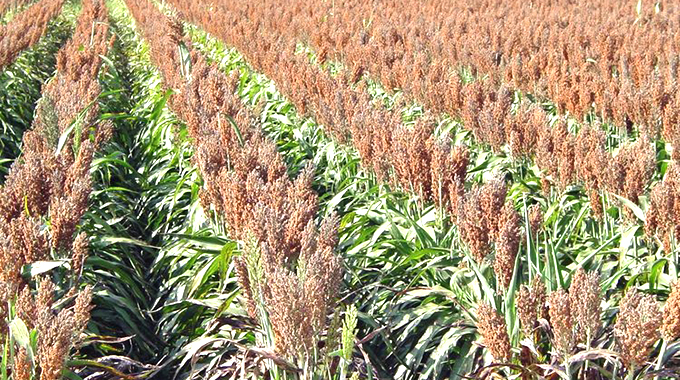
Agriculture Reporter
THE Government’s push not to leave anyone or any place behind in its developmental programmes is set to see farmers in dry regions benefitting from value addition of tradition grains.
The move, which is anchored in the Traditional Grains Growth Plan that seeks to boost food security and incomes is also in sync with the country’s vision of becoming an upper-middle-income economy by 2030.
Traditional grains are crops for marginal and vulnerable areas highly susceptible to the changing climate.
The utilisation of traditional grains, associated with value creation in the agro-processing segment of the agri-food value chain will largely benefit farmers in agro-ecological regions four and five where they receive erratic rains.
In an interview yesterday, cereal specialist in the Department of Cereal Crops, Miss Jacqueline Chikarate told Zimpapers Agriculture Journal that value addition of traditional grains would boost incomes in dry regions.
“Famers in dry regions are prone to drought. The production of traditional grains, which are drought tolerant will improve their economic well-being. The Traditional Grains Growth Plan seeks to ensure household food and nutrition security, improved incomes, crop diversity and livestock nutrition in an effort to climate proof the agriculture sector. The plan aims to improve production and productivity, marketing, processing and value addition, blending and consumption of traditional grains. Finger millet, for example, is milled into floor and used for brewing beer, mostly for traditional rituals or used as an alternative to mealie meal.
“Markets are always readily available for traditional grain products at big markets, for instance, at Mbare Musika,” she said.
Zimbabwe Commercial Famers Union (ZCFU) president, Dr Shadreck Makombe added that farmers were diversifying to traditional crops because of their high demand on the market and the awareness campaigns being carried out on the importance of healthy foods.
“More people are now health-conscious with some restaurants now even serving traditional foods. Long back, demand for traditional food was low, as the food was perceived to be for the poor. Now the affluent are the ones who demand traditional food and this has increased the demand for the food on the market,” he said.
Wheat is the most popular commercial crop that has been widely utilised for the manufacturing of a wide range of food products, followed by maize.
This year, traditional grains will be produced under the Government’s Pfumvudza/Intwasa programme, private sector contracts and by self-financed farmers.
Non-governmental organisations are also promoting the production of traditional crops by training farmers especially those in low rainfall areas on the advantages of the crops.
NGOs sometimes assist with machinery such as threshers so that farmers can easily process the crops.



 Online Reporter