Theseus Shambare, Features Writer
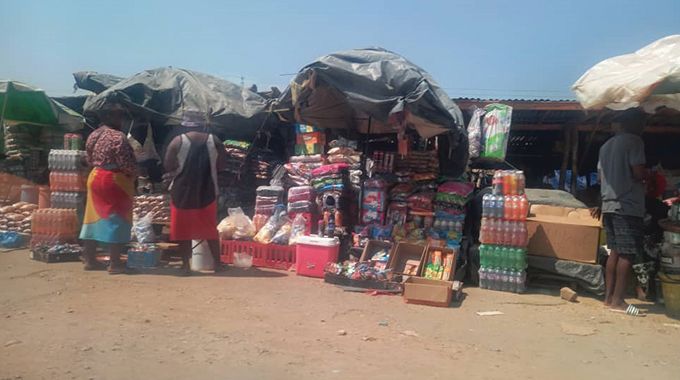
THE jar of petroleum jelly on a crowded tuckshop shelf looks harmless enough.
But consumer watchdogs warn that behind familiar labels and confident branding could lie dangerous imitations manufactured far from the regulated factories consumers trust.
Across Zimbabwe, counterfeit and substandard products are quietly infiltrating homes, raising alarm about a growing public health and economic crisis.
From toothpaste and cosmetics to cooking oil, electrical appliances and alcoholic beverages, imitation goods are increasingly appearing on both informal and formal retail shelves.
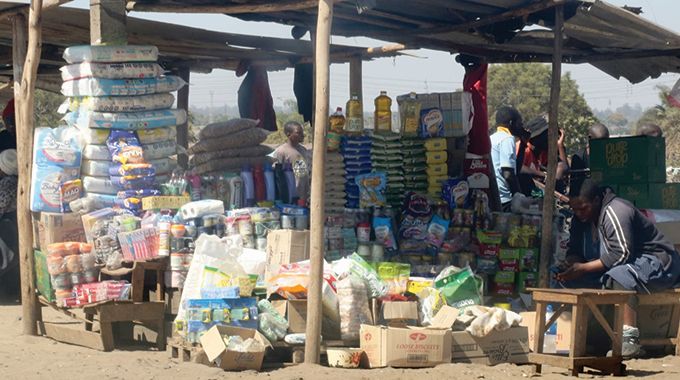
For the average shopper navigating tight household budgets, the difference between genuine and fake products is often invisible — and in many cases, the only discernible difference is the price.
Authorities say that price gaps are exactly what counterfeit syndicates exploit, preying on consumers who want cheaper goods but end up with unsafe alternatives.
A recent survey by the Standards Association of Zimbabwe revealed a disturbing reality about products sold in informal markets.
Nearly half of the goods sampled from tuckshops, market stalls and unregulated outlets failed to meet required standards.
Inspectors discovered counterfeit versions of widely used household items; including petroleum jelly, flour, rice and toothpaste — products many families use multiple times a day.
The findings exposed how deeply fake goods have penetrated the country’s consumer markets.
Health experts warn that counterfeit products can contain harmful chemicals, contaminated ingredients or poorly manufactured components that pose serious risks.
Electrical appliances manufactured outside safety standards can trigger devastating fires, while substandard vehicle components such as fake brake pads and brake fluids have been linked to fatal road crashes.
Even alcoholic beverages — once associated with trusted international brands — have become lucrative targets for counterfeiters across Zimbabwe and the region.
What used to be a simple pleasure — buying a bottle of whisky or brandy — has become a gamble in some markets, even in established liquor stores and nightclubs.
Fake versions of premium spirits are increasingly found alongside legitimate products, and to the untrained eye, the bottles often look identical to the originals.
But investigations show that their contents can be dangerously different.
In Zimbabwe, law enforcement operations have exposed the scale of illicit alcohol production.
In one major operation, over 30 suspects, including company directors and managers, were arrested for running an unlicensed brewery producing illicit spirits such as “Jay Dox vodka” and other unregulated alcoholic beverages.
Investigations revealed that these operations, often hidden in residential areas and abandoned industrial buildings, where operators mix industrial chemicals with water and colouring agents before packaging the liquid as premium spirits.
Once sealed with counterfeit labels, the bottles are distributed through informal networks and small retailers, deliberately priced far below genuine products to lure consumers under economic pressure.
Experts say these concoctions can cause alcohol poisoning, nerve damage, blindness, or long-term organ failure.
Medical practitioners report that patients who consume such drinks often arrive at hospitals with nausea, hallucinations, liver damage or neurological symptoms.
“Consuming fake alcohol can have catastrophic health consequences, with the worst-case scenario being death,” warned Bulawayo-based physician Dr Evelyn Sungano.
Yet despite these risks, the illicit trade continues to flourish, with networks spanning borders and taking advantage of weak regulatory oversight.
Consumer protection advocates say affordability often drives risky buying decisions.
“Some consumers buy fake products without knowing they are fake because they are lured by the low prices,” said Ms Rosemary Mpofu of the Consumer Council of Zimbabwe.
She warned that counterfeit products pose serious risks to consumer health and safety.
Authorities say the proliferation of unlicensed liquor outlets has also worsened the situation.
Some bottle stores operate without proper licences or procurement controls.
This creates loopholes that counterfeit distributors exploit to place fake goods on legitimate shelves.
Government officials say the counterfeit trade is no longer a small criminal enterprise.
It has become a national economic threat.
Counterfeit goods undermine legitimate manufacturers by undercutting their products with cheap imitations.
They also deprive the Government of millions of dollars in lost tax revenue.
Even more worrying, the illicit trade fuels organised criminal networks operating across southern Africa.
Police investigations show that smuggling syndicates transport counterfeit goods through informal border crossings and concealed compartments in vehicles.
Zimbabwe Republic Police national spokesperson Commissioner Paul Nyathi says authorities are intensifying operations to dismantle these networks.
“The Zimbabwe Republic Police has intensified operations to combat the smuggling of goods, particularly alcohol and drugs, which poses serious risks to public health and safety,” he said.
He warned that counterfeit alcohol is often manufactured under unsanitary conditions using dangerous chemicals.
Law enforcement agents have already intercepted truckloads of illicit goods during recent anti-smuggling operations.
But authorities acknowledge that enforcement alone cannot solve the problem.
Last week, the Government and retailers launched an ambitious nationwide campaign aimed at confronting the counterfeit goods crisis.
The initiative is being spearheaded by the Confederation of Zimbabwe Retailers in partnership with Proma Events Africa.
The programme — described as an 81-day war against counterfeit goods — seeks to protect consumers while safeguarding local industry.
It will run from 22 April to 1 July and culminate in a National Consumer and Product Integrity Summit.
Launching the campaign in Harare, Industry and Commerce Deputy Minister Rajeshkumar Modi said product integrity is central to Zimbabwe’s industrialisation agenda.
“Industrial growth is not simply about producing more goods,” he said.
“It is about ensuring that every product reaching our market meets standards of quality, safety, authenticity and fairness.”
”Without integrity, industrialisation loses its foundation,” he added.
Officials say counterfeit goods erode brand value, discourage compliant manufacturers and distort fair competition.
They also expose consumers to significant health and safety risks.
Retail industry leaders say the counterfeit trade disrupts the entire supply chain linking factories, distributors and retailers.
Confederation of Zimbabwe Retailers president Mr Denford Mutashu said such disruptions weaken the national economy.
“When this chain is disrupted, the national economy is weakened,” he said.
Industry players say Zimbabwe has made notable progress in promoting locally manufactured products.
More than 85 percent of goods sold in major retail outlets are now produced locally.
But experts warn that these gains could easily be reversed if illicit trade continues unchecked.
Authorities say the fight against counterfeit goods requires cooperation between Government, industry and consumers.
Public awareness will also be critical.
Consumers are being urged to scrutinise packaging carefully and avoid products sold at suspiciously low prices.
Experts say the rule is simple.
If the price appears too good to be true, it probably is.
Because in Zimbabwe’s growing counterfeit crisis, danger may not come with warning signs.
Sometimes it arrives disguised as an everyday product sitting quietly on a household shelf.