Online Reporter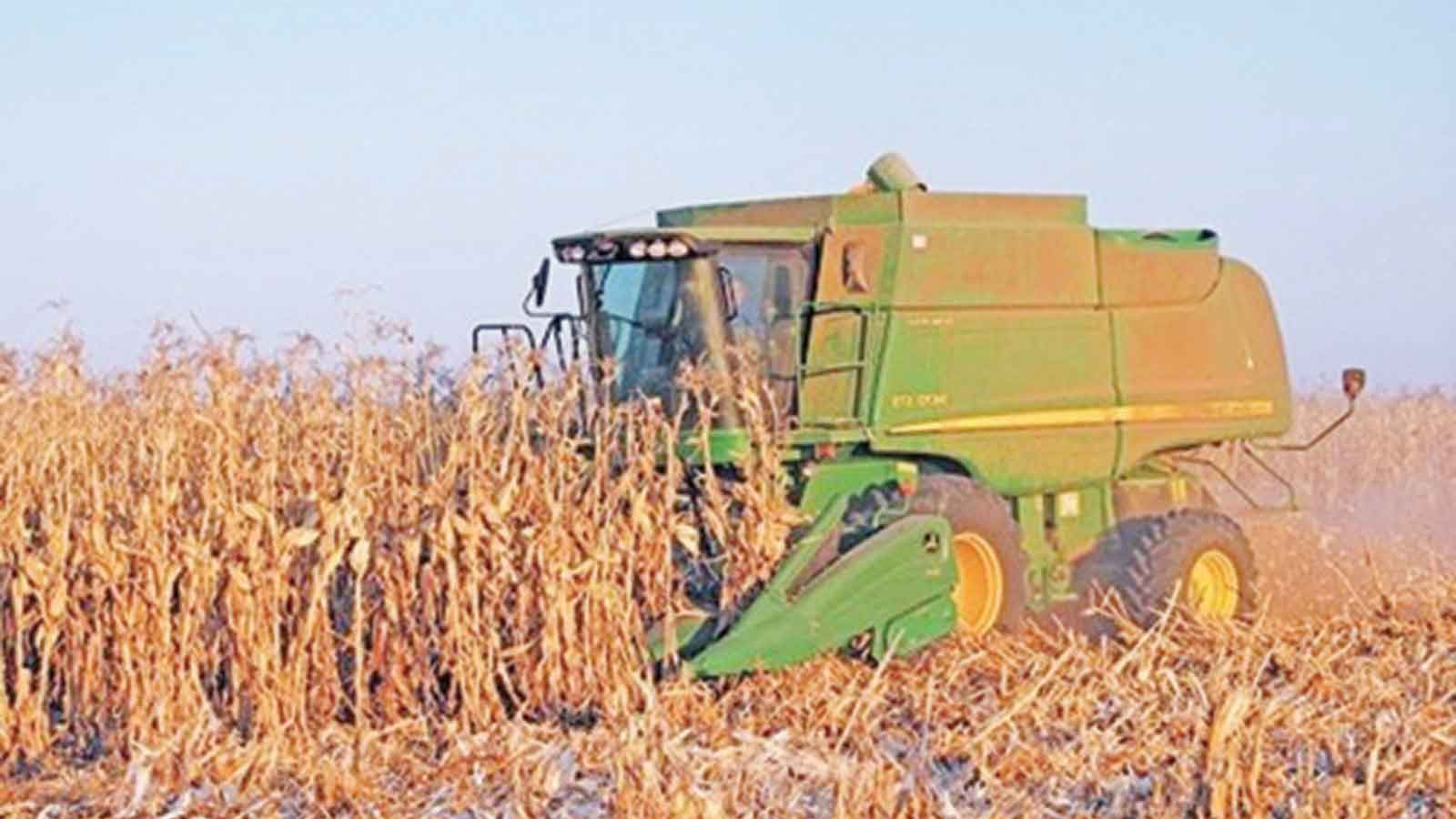
Engineer Pritchard Elmon Marozva
Section 1: Maize post-harvest handling
1.1 Maize post-harvest management: importance and challenges
Effective post-harvest management of maize is crucial for minimising losses and maximising its value. However, despite the clear benefits, several challenges hinder effective maize post-harvest management.
1.1.1 Importance
- Reduced Losses: Proper handling prevents physical losses (grain breakage, spoilage), moisture-related losses (mould, rot) and losses from insect and rodent infestations.
- Improved Quality: Maintaining optimal grain moisture (12-14 percent), reducing mycotoxin contamination (like aflatoxins) and preserving nutritional value and germination capacity are all vital quality improvements.
- Increased Food Safety: Post-harvest management reduces contamination risks from pests, diseases and chemicals, prevents mould growth and mycotoxin production and ensures compliance with food safety regulations.
- Enhanced Marketability: Improved grain appearance and quality increase market value and price, enhancing competitiveness in both local and international markets.
- Economic Benefits: Reducing post-harvest losses (estimated at 10-30 percent globally) increases farmer income and contributes to national food security and economic growth.
- Environmental Benefits: Proper post-harvest handling reduces waste, minimises environmental pollution, conserves natural resources (water, land) and promotes sustainable agriculture.
1.1.2 Challenges
- Physical Losses: These include grain breakage (during harvesting, handling, and transport), spoilage (during loading, unloading, and transport) and rodent/bird damage (during storage).
- Quality Losses: High moisture content leads to mould, rot and mycotoxin contamination.
- Inadequate temperature and humidity control, along with insect and pest infestations, also degrade quality.
- Drying and Storage Challenges: Insufficient or inadequate drying facilities, poor storage conditions (ventilation, temperature, pest management) and limited storage capacity contribute to losses.
- Handling and Transportation Challenges: Inadequate handling equipment, long transport distances and poor road infrastructure increase the risk of damage, losses and contamination.
- Pest and Disease Management: Insect pests (for example, larger grain borer), fungal diseases (for instance, aflatoxin) and rodent/bird pests pose significant threats.
- Economic and Social Challenges: Limited access to finance and technology, coupled with inadequate infrastructure (storage, roads, handling equipment), hampers effective post- harvest management.
- Market Access and Supply Chain Issues: (You need to expand on this point in your manual, as it’s only a heading here. Consider discussing market information, pricing and access to buyers).
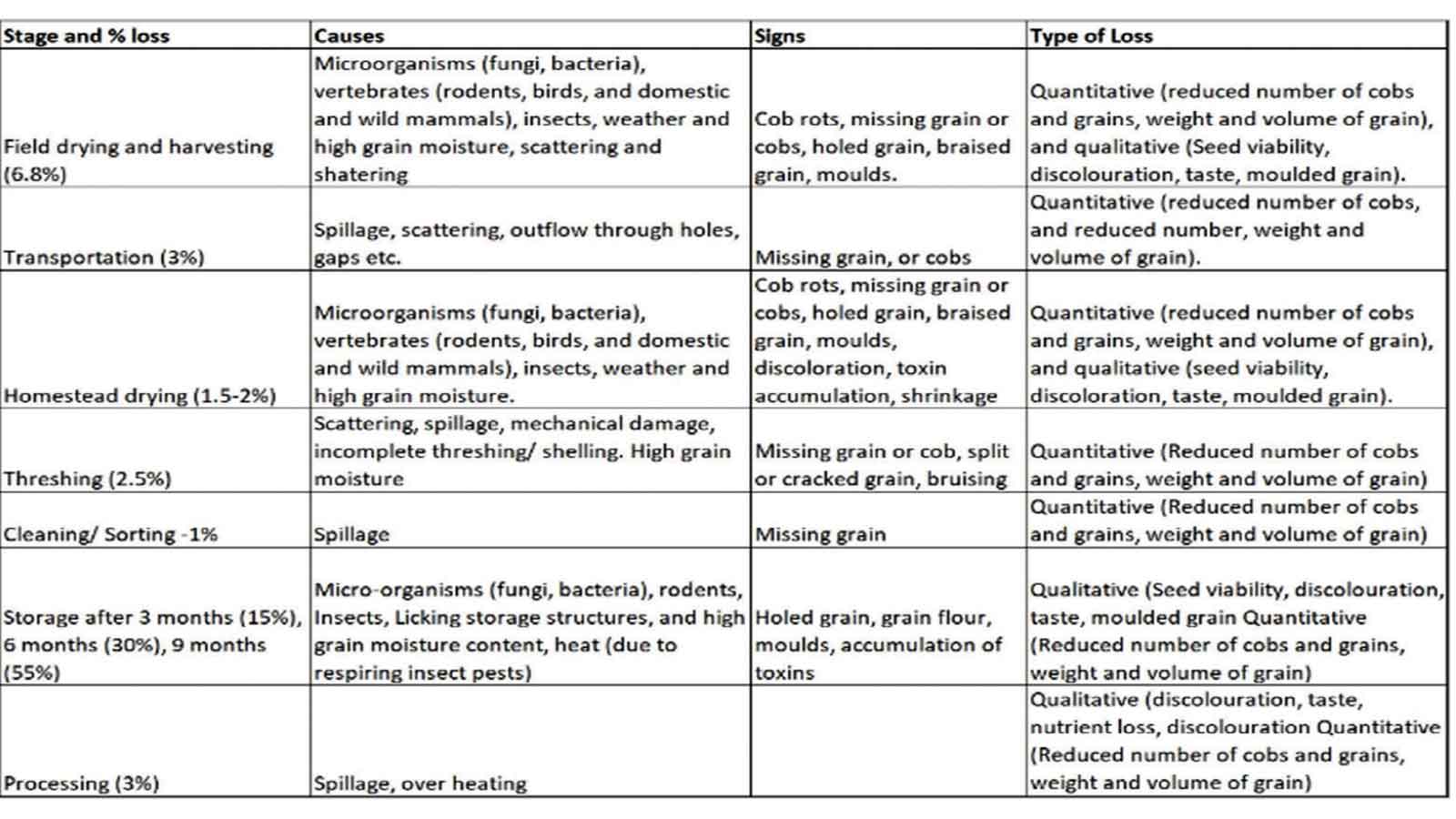
1.2 Maize post-harvest management stages
Table 1.1: Summary of stages of post-harvest handling and losses incurred at each stage: Table above
Section 2: Harvesting and transportation
2.1 Harvesting
Maize harvesting is usually done by hand in the smallholder farming sector and using either hand or machinery in the commercial sector.
The goals of a harvesting system should be to gather the crop from the field at the proper stage of maturity, with minimum damage and losses, at the rate required for optimum handling, and in a cost-effective way.
Injuries caused by mechanical damage during harvest can predispose produce to decay, insect attack and increased water loss.