

 Online Reporter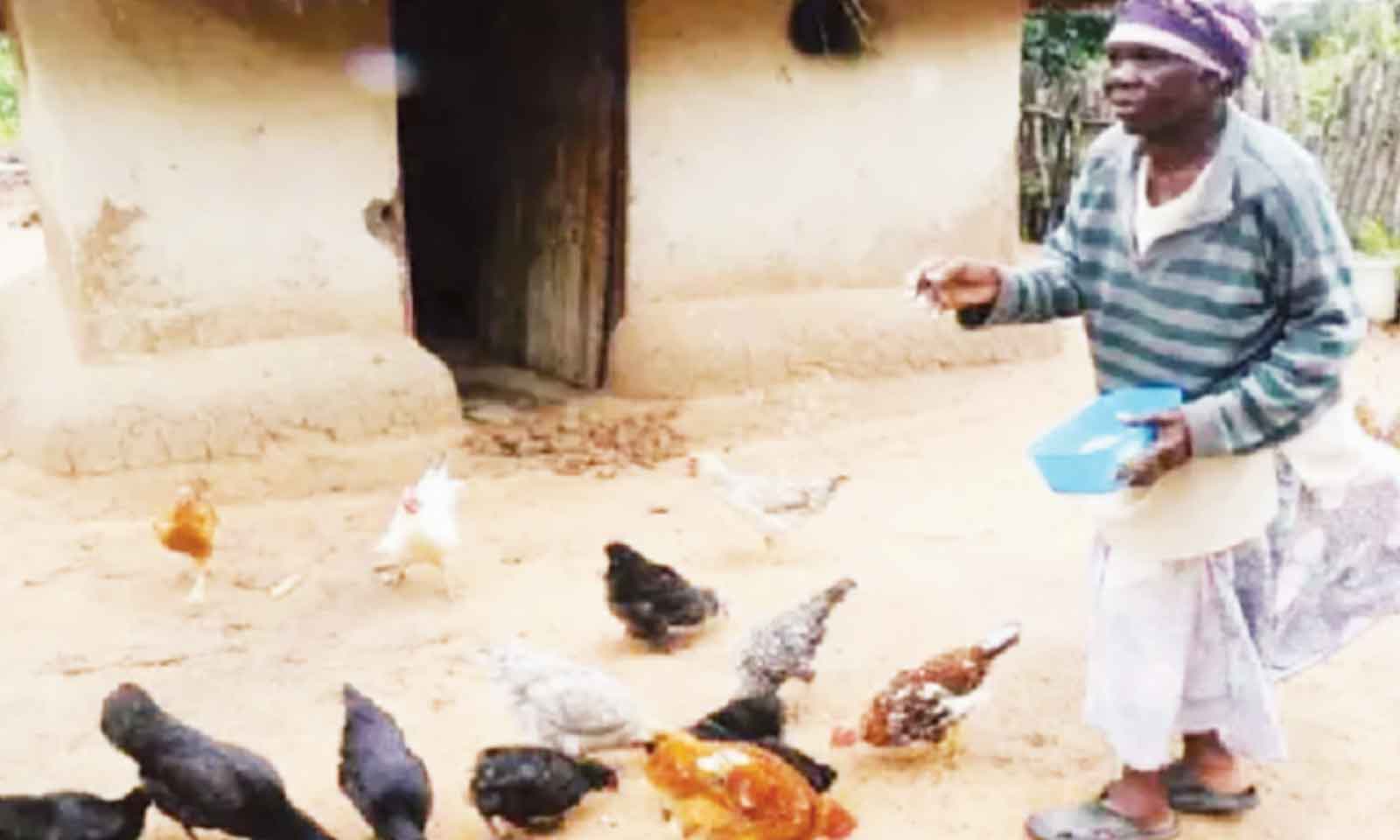
Precious Manomano
Herald Reporter
THE Presidential Rural Poultry Scheme is transforming rural communities in Zimbabwe, offering opportunities aimed at enhancing food security and economic empowerment.
Launched in 2022, the initiative has distributed over 2.5 million chicks across all 10 provinces, targeting not just an increase in poultry numbers, but a complete overhaul of rural livelihoods.
By adopting a sustainable, pass-on model of poultry farming, the PRPS encourages beneficiaries to view poultry as a viable business venture rather than merely a source of personal consumption. This shift in perspective lays the groundwork for a prosperous future, fostering entrepreneurship and revitalising local economies.
Spearheaded by the Ministry of Lands, Agriculture, Fisheries, Water and Rural Development, the scheme aims to double the number of beneficiaries from 2.5 million to over 5 million households by the end of the year.
Rural Development director Mr Leonard Munamati strongly encourages districts to implement this pass-on scheme, viewing it as a vital step toward promoting economic empowerment and fostering significant community development.
“The scheme seeks to increase rural income and alleviate poverty by commercialising poultry production. This initiative is not just about increasing the number of chickens; it is about fundamentally changing how rural households engage with poultry farming. We want to elevate this from a subsistence activity to a vibrant economic engine that empowers families.”
Traditionally, rural households raised chickens primarily for personal consumption, but the PRPS aims to shift this mindset. Households are now encouraged to approach poultry farming as a business, which not only enhances their financial stability but also contributes to increasing small livestock numbers throughout Zimbabwe.
This initiative is particularly designed to create new revenue streams for rural families, addressing the limited commercial activities that often follow crop harvests.
An integral part of the PRPS is the variety of chicken breeds it promotes, which includes Boschveld, Australorp, Koekoek, Sasso, Kuroiler, and indigenous varieties.
These breeds are carefully chosen for their adaptability and productivity in local conditions, thereby increasing the likelihood of successful farming and satisfying the varying preferences and farming capacities of rural households.
The scheme has spurred a renewed interest in poultry farming, encouraging families to diversify their agricultural activities and explore new avenues for income generation.
Many beneficiaries have shared success stories illustrating the transformative effects of the PRPS on their lives, offering a glimpse into how this initiative has redefined their financial realities.
Zimbabwe Free Range Poultry Association (ZFRPA)secretary general Mrs Beauty Jiji recently emphasised the programme’s positive outcomes, noting that many are now earning income through the initiative.
“This scheme has truly helped a lot of people. Many individuals are now earning a living through this initiative, which reduces reliance on harmful practices. We see fewer cases of prostitution and robbery since economic empowerment has lifted many out of poverty,” she said.
The success of the scheme hinges not only on the distribution of chicks, but also on the vital partnerships formed with contracted supply chain farmers who provide day-old chicks and fertilised eggs for hatching, creating a comprehensive ecosystem that benefits the entire community.
Zimbabwe Indigenous Women Farmers Trust president, Mrs Depinah Nkomo, said the scheme has helped the majority improve their lives.
“The PRPS has created a significant positive impact in our communities. Many individuals are now earning a decent living through this initiative. This economic empowerment allows people not only to support their families, but also to reinvest in their communities. We have seen a reduction in social problems as people gain financial independence, which speaks to the effectiveness of this programme,” she said.
The impact of the PRPS can be illustrated through individual stories from beneficiaries who have found economic independence.
Mrs Sarudzai Munemo, a beneficiary from Glen View, recounted her journey, explaining how the project transformed her business model and enabled her to supply chicks to the ZFRPA. “I used to struggle to get buyers for my indigenous chickens, but I have taken advantage of the Presidential Rural Poultry Scheme,” she said.
Her experience resonates with many others who have discovered new avenues for growth and stability through the programme.
Similarly, Mrs Agatha Mutazu from Kuwadzana 5 highlighted how the PRPS created a reliable market for her fertilised eggs.
“I am guaranteed a market and plan, knowing that I will get my money without hassles. I am supplying eggs, but will soon be supplying chicks.” This reassurance in market access is crucial for many rural entrepreneurs who had previously faced considerable uncertainty in their agricultural endeavours.
Men, too, have found their lives transformed through the PRPS. Mr Tom Tapera from Waterfalls expressed his appreciation for the government’s involvement in such transformative initiatives.
“This is a wonderful project that the majority indulge in to improve their standards of living. We are grateful; this will go a long way in alleviating poverty,” he declared, embodying the sentiments of many who view the PRPS as a beacon of hope, highlighting how far-reaching the effects of poultry farming can be in improving rural livelihoods.
The overarching goals of the PRPS extend beyond mere financial improvement; they touch on the very fabric of community dynamics. As economic empowerment takes root, the initiative contributes to a noticeable decline in social issues often exacerbated by poverty.
The scheme encourages not only individual entrepreneurship but also a collective approach to community development. This interplay between personal gain and community upliftment creates a ripple effect that positively influences various aspects of local life. The additional income from poultry farming allows families to invest in education, healthcare, and other essential services, further enhancing their quality of life and breaking the cycle of poverty.
The PRPS is firmly embedded within the broader Livestock Growth Plan (2021-2025), which aims to enhance the overall sustainability and profitability of the livestock sector. This strategy is essential for addressing the challenges faced by rural populations, particularly as Zimbabwe contends with issues such as climate change and economic fluctuations.



