tawandamusarurwa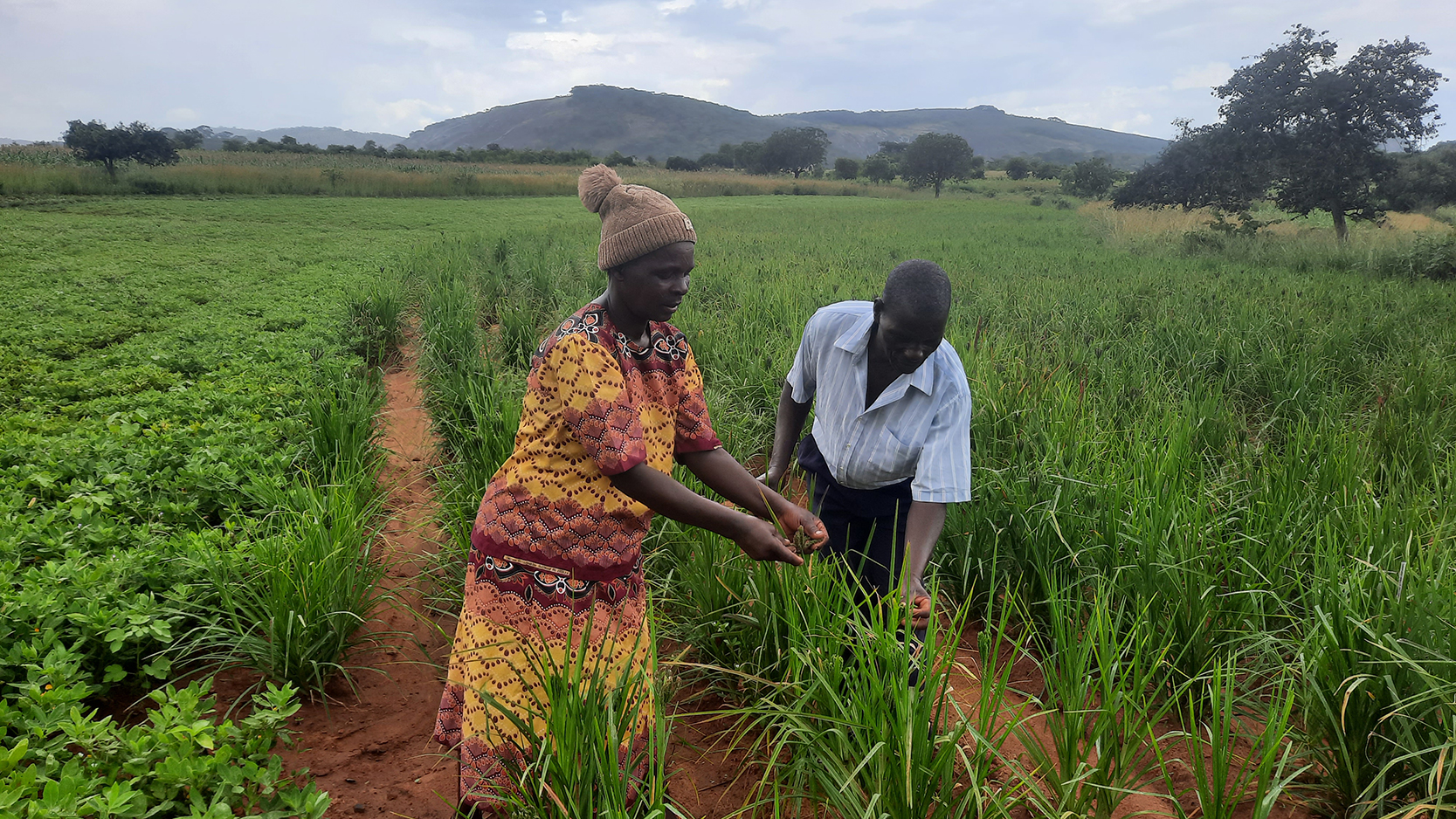
Theseus Shambare
Fertilisers, treated seed, pesticides and herbicides are indispensable in commercial agriculture, as they often define the success of a cropping season.
However, industrial emissions and synthetic fertilisers (man-made inorganic compounds) are increasingly blamed for climate change.
With Government and development partners pushing for climate change mitigation, agroecology has emerged as one of the best ways of countering climate change, particularly in the agriculture sector.
Agroecology involves the adoption of sustainable farming methods that increase yields while reducing environmental damage and preserving natural resources.
It reduces emissions, recycles resources and prioritises local supply chains.
Over 15 000 farmers countrywide under the Zimbabwe Smallholder Organic Farmers Forum (ZimSOFF), which is supported by the Voluntary Service Overseas (VSO), are leveraging on organic agriculture to both boost their incomes and preserve the environment.
“Our forefathers used to eat healthy foods, which were organically produced, and those methods need to be brought back so that we do not harm our environment while eating nutrient-rich food,” said ZimSOFF Masvingo district field officer Mr Oliat Mavuramba.
“We are happy that farmers are now adopting environmentally friendly practices, while retaining household nutrition with a surplus.”
Ms Vongai Mudzingwa from Ward 33 in Gonese village, Masvingo province, said she is recycling resources, harvesting water and mulching to increase yields.
“I have taken farming seriously since 2002, when I joined ZimSOFF. Through training from VSO, I have learnt that I do not need industrially manufactured inputs or feed. All I need is recycling available resources,” she said.
“I use first-generation traditional maize seed that used to be produced by our ancestors, which I feed with compost manure and chicken waste.
“I have fish that I feed with chicken droppings and organically bred worms, and I use water from the fish pond to water my horticulture garden.”
Recycling resources is understood to be cheap and produces healthy food.
Mr Abumeleck Mutsenhure (61), another farmer, practises inter-cropping to help reduce fertiliser costs.
“Crops like beans require small amounts of calcium, manganese and iron – which can be derived from compost or manure – whilst they naturally provide nitrogen,” he said.

“So, after knowing this, I plant beans with maize so that the nitrogen they release will be used by maize, which it needs to yield better. No industrial chemical is used there.”
Most farmers in Masvingo use manure made from a mixture of animal dung and tree leaves. The stuff is kept in pits to decompose before use.
Ms Betha Dekete (56) said, unlike in the case of traditional crops, pests are a challenge when it comes to hybrid seed crops.
“Since our province is usually dry, we used to face challenges of armyworm and other pests in our crops, but since we reverted to our traditional maize seed and other traditional grains, pest problems are a thing of the past,” she said.
“Maize seed like munyadzagudo (red-coloured maize) is resistant to drought and pests.
“In the event that there are signs of invasion, we sprinkle a pinch of ashes in the funnel of the maize crop to kill the pests.”
Some of the traditional maize varieties that are preferred by farmers are madzande, guridzvuku and chinyamugage.
Traditional grains like millet, sorghum and rapoko are also common crops that are cultivated, as they produce relatively better yields.
In Chimanimani, Manicaland province, Ms Martha Majokwiro recently said she uses a thermal compost as a source of manure to produce high yields.
“A thermal compost involves use of brown and green matter, and it has to be between 1,5 and 2 metres in height, and it takes 49 days to mature.
“The advantages of using it include giving sufficient nutrients to the crops. These composts can be created at any time of the year,” she said.
“This has increased my production and pests do not have a chance. I get carbohydrates, vitamins, proteins and fats from the crops I grow and my family gets a five-star diet.”
Mr Washington Nyakazeya (21), who is into agroforestry and apiculture, is becoming popular in Rusitu for producing premium organic honey.
“After my family lost everything due to Covid-19, I was trained by VSO on how to practise beekeeping and making hives.
“Beekeeping helps to protect our trees. Deforestation was becoming a problem as people were clearing land for farming,” said Mr Nyakazeya.
He has over 30 beehives and is making a living out of selling organic honey and candles that he manufactures from beeswax.
Legalising traditional seed
Food and Agriculture Organisation special ambassador Mrs Elizabeth Mpofu said there is need for Government to expedite the legalisation of trade in traditional seed.
“Currently, farmers rely on farmers’ seed fares that are held annually in different areas under ZimSOFF, and take that opportunity to exchange seed.
“Besides that, it is illegal to be caught selling such seeds. This is making us lose the revered seed we naturally own as Zimbabweans; the seeds that existed from centuries ago. Government needs to speed up enacting a law that will guide the selling of these seeds so that we preserve our heritage,” said Mrs Mpofu.
VSO project manager Mr Simba Guzha said they are currently working with over 15 000 farmers.
“We are also working with agricultural extension officers and Government workers to enhance sustainability of the project.
“Indirectly, we will reach more households. Our thrust is to encourage resilient farming and protecting the environment, while producing quality food that is not harmful to the human body,” he said.
The organisation has helped farmers establish agroecology schools, where they learn and teach sustainable farming.
In Masvingo, Shashe Agroecology School (formerly known as Shashe Millennium Producers) is attracting people from as far as Tanzania.
Locally, the trained farmers are advised to pass on the information to their communities.
The current geopolitical conflict in Ukraine, which has resulted in soaring global fertiliser prices, provides an opportunity for farmers to leverage on agroecology to help achieve national food security in a sustainable and affordable way.



 Online Reporter