

 Online Reporter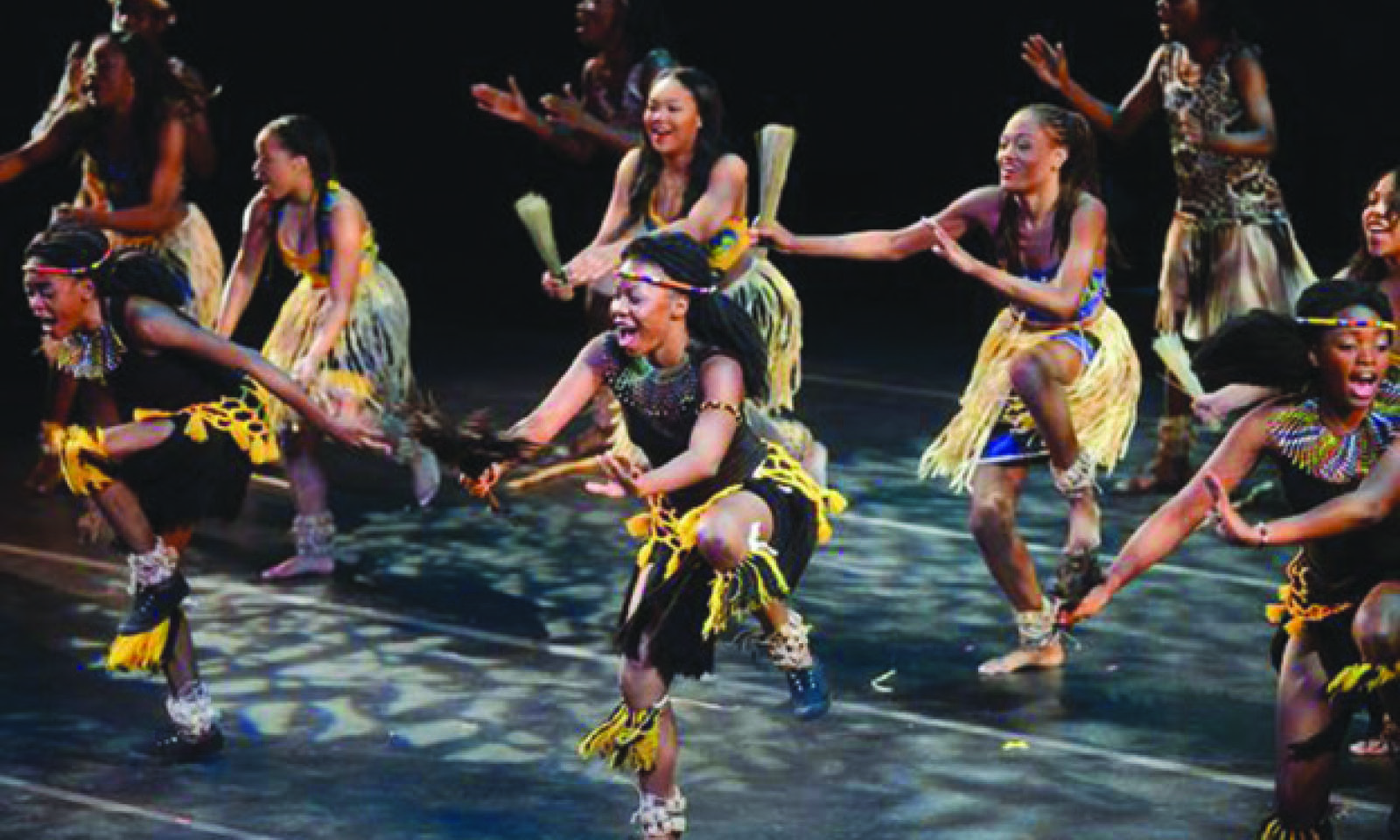
Marilyn Mutize
Correspondent
As the world rapidly advances into the digital age, questions arise about the future of cultural identity, particularly for nations like Zimbabwe, where heritage is deeply-rooted in oral traditions, community practices, and indigenous languages.
Technology, with all its disruptions, often appears to threaten cultural preservation. Yet, it is also a powerful tool, perhaps the most effective one we have today, to safeguard and promote Zimbabwean culture in ways never before imagined.
From the vibrant mbira melodies passed down through generations to the intricate stone sculptures and oral folktales told under moonlight, Zimbabwe’s culture is rich, diverse, and dynamic.
But in a world increasingly shaped by artificial intelligence, smartphones, and virtual reality, there is an urgent need to ask: how do we ensure that our cultural legacy is not lost, but lives on and thrives?
It would be naïve to ignore the threats posed by the digital era. Globalisation has introduced cultural homogenisation, where Western media and consumer habits often overshadow local traditions.
Youth in Zimbabwe now spend more time on TikTok and Netflix than listening to ancestral stories or participating in community ceremonies. Indigenous languages face erosion as English becomes dominant in digital communication and formal education.
Traditional practices like totem respect, customary marriages, or even the significance of first fruits ceremonies are being forgotten or misunderstood.
The younger generation, shaped by fast-paced digital content, is at risk of growing up disconnected from their cultural roots. Moreover, the digital divide between those with access to technology and those without further complicates efforts to document and promote culture inclusively.
Rural communities, which often preserve the most authentic traditions, are least equipped to engage with the digital tools that could help protect those traditions.
But if technology is part of the problem, it is also part of the solution. In fact, it may be our best hope for preserving Zimbabwean culture in a sustainable and engaging way.
Across the globe, cultures are being revived, digitised, and celebrated using technology. Zimbabwe, too, can embrace digital platforms not just as entertainment spaces, but as cultural battlegrounds – spaces where identity can be documented, shared, and celebrated.
Social media, for instance, has created opportunities for Zimbabwean creatives to showcase traditional music, dances, language, cuisine, and clothing to global audiences.
Platforms like YouTube and Instagram are now filled with Zimbabwean cooking tutorials, dance challenges featuring Jerusarema and Muchongoyo, and influencers promoting traditional attire like the Zambezi skirt or doek.
This content not only entertains, but also educates and preserves cultural elements that would otherwise be confined to local settings.
Perhaps the most profound impact of technology is in digital storytelling. For centuries, Zimbabwe’s cultural knowledge was passed through oral tradition from grandparents to grandchildren.
Today, this storytelling can live forever online. Podcasts in Shona and Ndebele can teach idioms and proverbs to diaspora children. TikTok can be used to explain the origins of totems or clan names.
Short films can recreate historical moments like the Chimurenga wars or the spiritual significance of Great Zimbabwe. This transformation democratises culture.
Instead of waiting for physical access to a museum or community elder, any Zimbabwean with a smartphone can now access and contribute to a growing digital archive of who we are and where we come from.
The concept of virtual museums offers another promising avenue. While institutions like the National Gallery of Zimbabwe and the National Archives house priceless cultural artefacts, their physical reach is limited.
Digital replicas of ancient tools, sculptures, musical instruments, and paintings could be made accessible through immersive virtual experiences.
This would allow Zimbabweans, especially youth and those in the diaspora, to explore their heritage remotely.
Digital archives, meanwhile, can preserve endangered languages, record traditional songs, and compile folklore in formats that can be accessed by future generations. Already, initiatives by university departments and cultural NGOs are digitising Zimbabwean literature, oral histories, and ethnographic materials.
Crucially, the youth so often seen as disconnected from culture can become its strongest defenders if given the right tools and platforms.
Digital literacy should be paired with cultural education. School curricula can include multimedia projects on traditional practices. Competitions can encourage students to produce videos or blogs in indigenous languages.
Coding workshops could lead to the development of apps that teach totems, rituals, or traditional games. When youth are empowered to create and share cultural content online, they not only reconnect with their identity, but also shape it for their generation.
They stop being passive consumers of foreign culture and become active curators of their own.
For this digital cultural revival to succeed, the government, private sector, and civil society must work together.
The Ministry of Youth, Sport, Arts and Recreation can lead a national strategy that funds digital storytelling initiatives, partners with tech companies, and trains young Zimbabweans in cultural media production.
Internet access in rural areas must be improved to ensure cultural content creation is not restricted to urban spaces. Grants and sponsorships should be made available to content creators working in indigenous languages or on traditional themes.
Partnerships with tech startups and academic institutions can create platforms that house and promote this content.
Preserving culture in the digital age does not mean freezing it in the past. Culture is not static; it evolves. What matters is ensuring that, as it changes, it remains rooted in authenticity.
This is where technology shines. It allows us to document, remix, and reimagine culture in ways that keep it alive, relevant, and accessible.
Zimbabwe has the opportunity to be a continental leader in digital cultural innovation. With a young, tech-savvy population and a rich cultural foundation, the ingredients are already in place.
What is needed now is a mindset shift: from seeing technology as a threat to viewing it as a cultural enabler. Let us encourage our artists to digitise their work.
Let us urge our elders to record their stories. Let us challenge our youth to learn and teach traditional values using the platforms they understand best.
In the end, the survival of Zimbabwean culture in the digital age depends on intentional effort. It will not happen by accident. But if we act boldly, invest wisely, and embrace innovation, our cultural heritage will not only survive, it will thrive.
As we celebrate Culture Month, may we remember that preserving our identity is not about resisting the future; it is about bringing the past along with us as we move forward. In the hands of a digitally empowered generation, Zimbabwe’s culture can become a global voice, not just a local memory.



