Vusumuzi Dube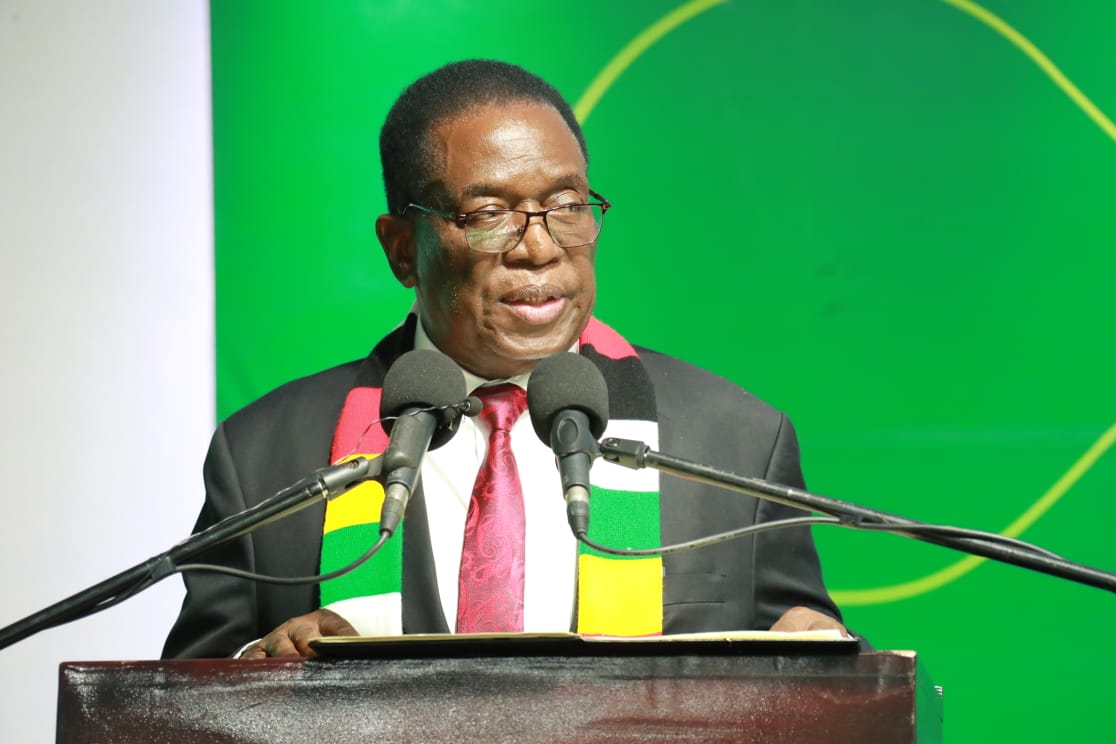
Elliot Ziwira
IGAVA Business Centre in Marondera, Mashonaland East Province, is today alive with colour, innovation and youthful energy as more than 30 000 young Zimbabweans gather to commemorate National Youth Day, a national event that places young people at the centre of development.
This year’s theme, “Youth Agenda for Transformation”, underscores the importance of equipping young people to shape a stronger national future.
Celebrated annually on February 21, the holiday honours the role of youths in nation-building and encourages them to embrace values that strengthen leadership and responsibility.
The day was gazetted by the Government in 2017 to pay tribute to the nation’s young people and to reaffirm commitment to investing in youth empowerment and development.
Previous commemorations have been hosted across the country, including in Harare Metropolitan Province in 2022, Matabeleland North Province in 2023, Masvingo Province in 2024 and Bulawayo Metropolitan Province in 2025.
Although youths represent the future, they are encouraged to draw lessons from the past as they navigate the present. Understanding the sacrifices that shaped the nation, beginning with the First Chimurenga, remains essential to guarding against neo-colonial influences and their local drivers. Young people are urged to free themselves from destructive habits, including substance abuse, and from individuals who take advantage of their vulnerabilities.
Efforts continue to ensure that young Zimbabweans view history not as a distant memory but as a source of agency that informs both present and future choices. As a critical demographic group, they are reminded that national interest must outweigh personal ambition.
As traditional wisdom notes, a person cannot be expected to love their country if they were never taught to love their village and fellow community members.
For this reason, empowerment must include both ideological grounding and socio-economic upliftment. Officiating at the event, as he does today, President Mnangagwa has consistently positioned youth empowerment as a strategic pillar of the Second Republic’s transformation agenda.
“Hard, honest work pays, while focus, discipline and professionalism in all business endeavours are indispensable values for the success and prosperity of our nation. This culture should be preached and entrenched among you, our young people,” President Mnangagwa said at the launch of the Presidential Youth Empowerment Revolving Fund in 2025.
His message remains relevant today as innovators, farmers, miners, students and entrepreneurs converge on Igava Business Centre, demonstrating discipline and productivity in their respective fields.
From education to industrialisation
The Second Republic’s structured approach to youth empowerment began with reforms in higher education.
In 2018, Government allocated more than US$5 million to establish technology and innovation hubs at six State universities, transforming them from theory based learning institutions into centres of industrial production.
The University of Zimbabwe, National University of Science and Technology, Harare Institute of Technology, Midlands State University, Chinhoyi University of Technology and the Zimbabwe National Defence University were among the beneficiaries.
The hubs were designed to test ideas, develop prototypes and patent innovations, ensuring young graduates contribute to industry creation rather than solely seeking employment. This shift aligns with President Mnangagwa’s view that youth-led enterprises must compete globally.
“Innovation, the use of emerging technologies and deployment of ICTs (information communication technologies) to create new product lines, penetrate value chains and global markets are now essential ingredients to realise business success. I expect youth-led businesses to be up to the challenge,” the President said.
At Igava today, exhibition stands display agro-processing machinery, digital platforms and mining technologies developed by young innovators.
Youth in agriculture: Productivity with purpose
Agriculture has remained a key pillar of youth empowerment. In 2022, President Mnangagwa launched the Midlands Youth Livestock Hub in Kwekwe, distributing 600 heifers to 600 young farmers under the Livestock Growth Plan.
The initiative sought to strengthen the national herd and support Vision 2030 while equipping youths with practical skills and income generating capacity.
President Mnangagwa has repeatedly reminded youth beneficiaries to uphold accountability.
“Transparency and integrity in administering your projects is of uttermost importance, do not be found wanting,” he urged.
Such guidance reinforces the principle that empowerment comes with responsibility, not entitlement.
Capital for young ambition
In March 2025, the President expanded youth support through the US$2 million Presidential Youth Empowerment Revolving Fund and the US$5 million Presidential Youth Mining Equipment Scheme.
Distributed across all 10 provinces, the revolving fund operates on a sustainability model requiring repayment to benefit future participants.
“I urge you to continue with proactive planning and the promotion of results and benchmarks that will propel the overall prosperity of our country,” President Mnangagwa said at the launch.
The mining scheme provides mechanisation to young artisanal miners, helping them improve productivity, formalise operations and contribute more effectively to national economic growth.
Today’s National Youth Day event has attracted many beneficiaries eager to share their success stories.
A national roadmap
Youth-focused initiatives accelerated in October 2025 with the launch of the National Youth Empowerment Strategy at Exhibition Park in Harare.
The strategy aligns youth programmes with the Second Republic’s Heritage Based Education 5.0 philosophy, which promotes innovation, industrialisation and community impact.
President Mnangagwa has repeatedly highlighted the importance of youths in shaping Zimbabwe’s economic trajectory.
“The Youth-owned businesses of Zimbabwe should situate themselves beyond our own country — into the SADC region, continent and globally. Innovation and competitiveness must define you,” he said.
Youths as partners in development
Today’s gathering at Igava Business Centre reflects a whole of Government approach, with ministries, departments and agencies showcasing opportunities in vocational training, agriculture, mining, ICTs and entrepreneurship.
National Youth Day is therefore more than a celebration; it reaffirms a partnership between the State and young citizens built on the recognition that youth innovation, discipline and energy are central to national progress.
If properly harnessed, Zimbabwe’s demographic dividend becomes a powerful development asset.
As President Mnangagwa speaks to thousands of young people today, the message is clear: the nation’s journey to upper middle income status by 2030 depends on the hands and minds of its youth.
From innovation hubs to livestock projects, revolving funds and mining support, the framework for empowerment is firmly in place.
In Marondera, amid music, enterprise and optimism, young Zimbabweans stand not as bystanders but as active architects of Vision 2030 — empowered, accountable and productive.
The future is youthful, and it is being built today, project by project.



 Online Reporter