Online Reporter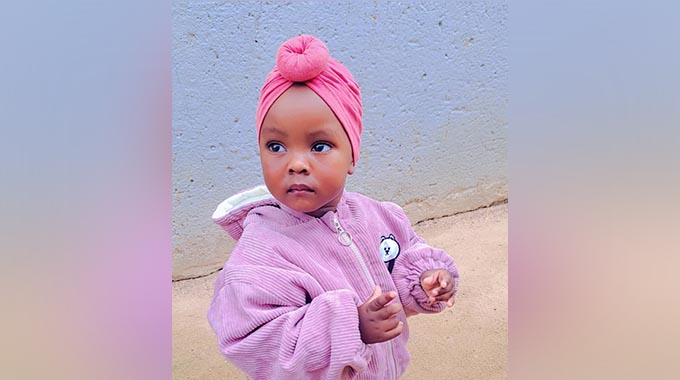
Alphina Ndlovu, [email protected]
BULAWAYO has always prided itself on being a city with character — resilient, observant and deeply communal.
The recent case involving baby Asanda at Meikles Mall in the Central Business District tested that identity.
A two-year-old child disappearing from a public space is every parent’s worst nightmare. It is the kind of moment that exposes weaknesses in public safety and unsettles collective confidence.
Yet, within that fear, something powerful emerged.
Law enforcement responded promptly and within the limits of available resources. CCTV systems — often unnoticed in daily life — proved indispensable. Local journalists acted swiftly, verifying details and publishing information responsibly.
Social media platforms, frequently criticised for fuelling misinformation, became instruments of co-ordinated awareness.
Most importantly, the Bulawayo community paid attention.
This matters.
While Zimbabwe continues to face significant structural and economic constraints, it remains true that professional diligence and community vigilance can still deliver meaningful outcomes.
In this instance, institutional effort, responsible media conduct and public engagement aligned in a way that made a difference.
Bulawayo did not look away.
It is easy to criticise systems when they falter.
It is just as important to recognise when they rise to the occasion. Such acknowledgement strengthens morale within institutions and helps rebuild public trust.
This case should not be remembered solely for the fear it generated, but for the co-operation it revealed. It demonstrated that the “village” is not an outdated ideal.
It exists in our police stations, our newsrooms, our security monitoring rooms and across our digital networks.
If we nurture this culture of responsible civic action, Bulawayo will not only be celebrated for its history — it will be known for its cohesion.
Where effort is visible, let it be affirmed. Where professionalism appears, let it be encouraged. That is how cities grow stronger.
Alphina Ndlovu is a Bulawayo-born writer and community advocate with interests in institutional accountability and social cohesion. She can be contacted on [email protected].