Online Reporter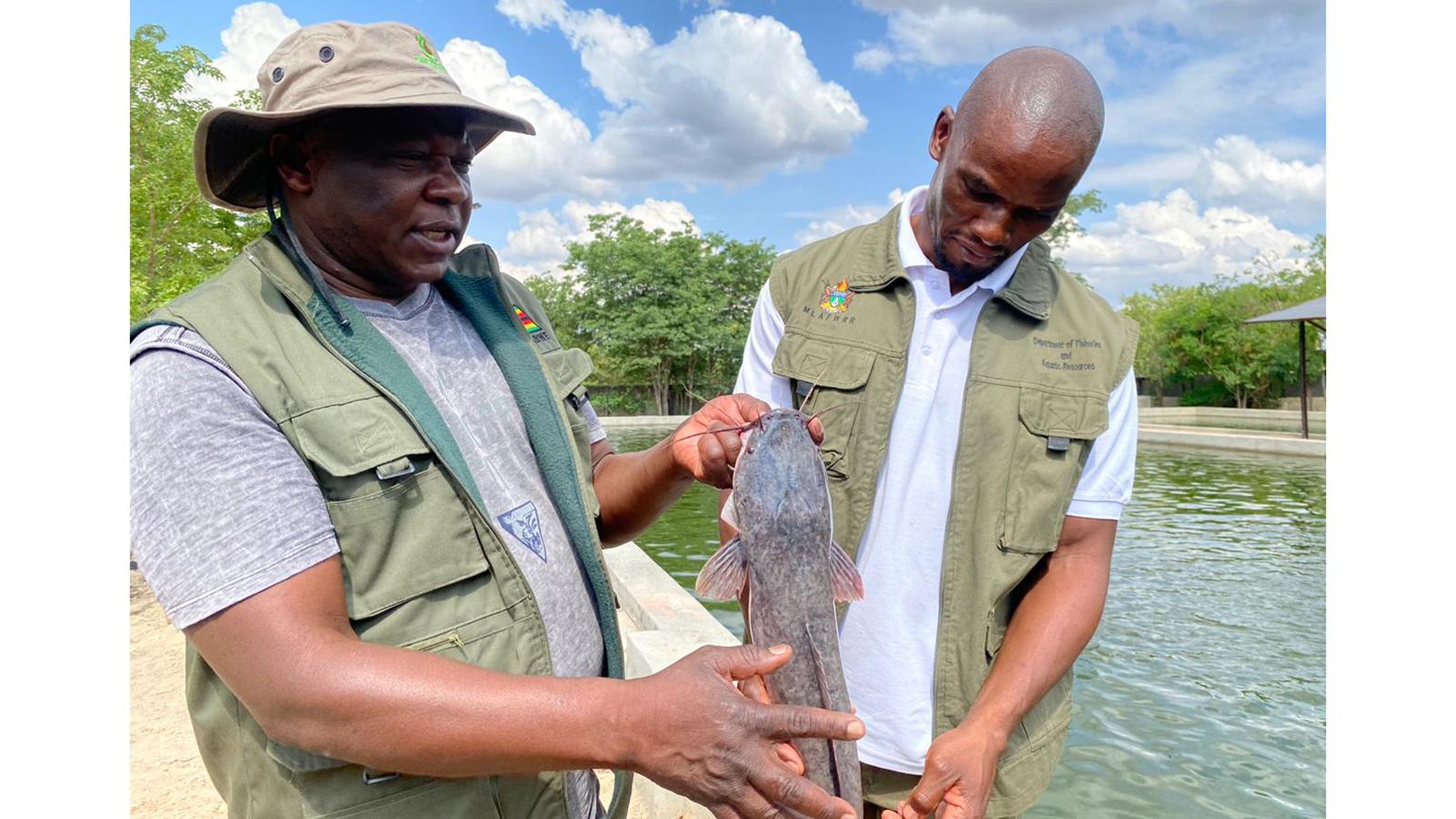
Muchaneta Chimuka
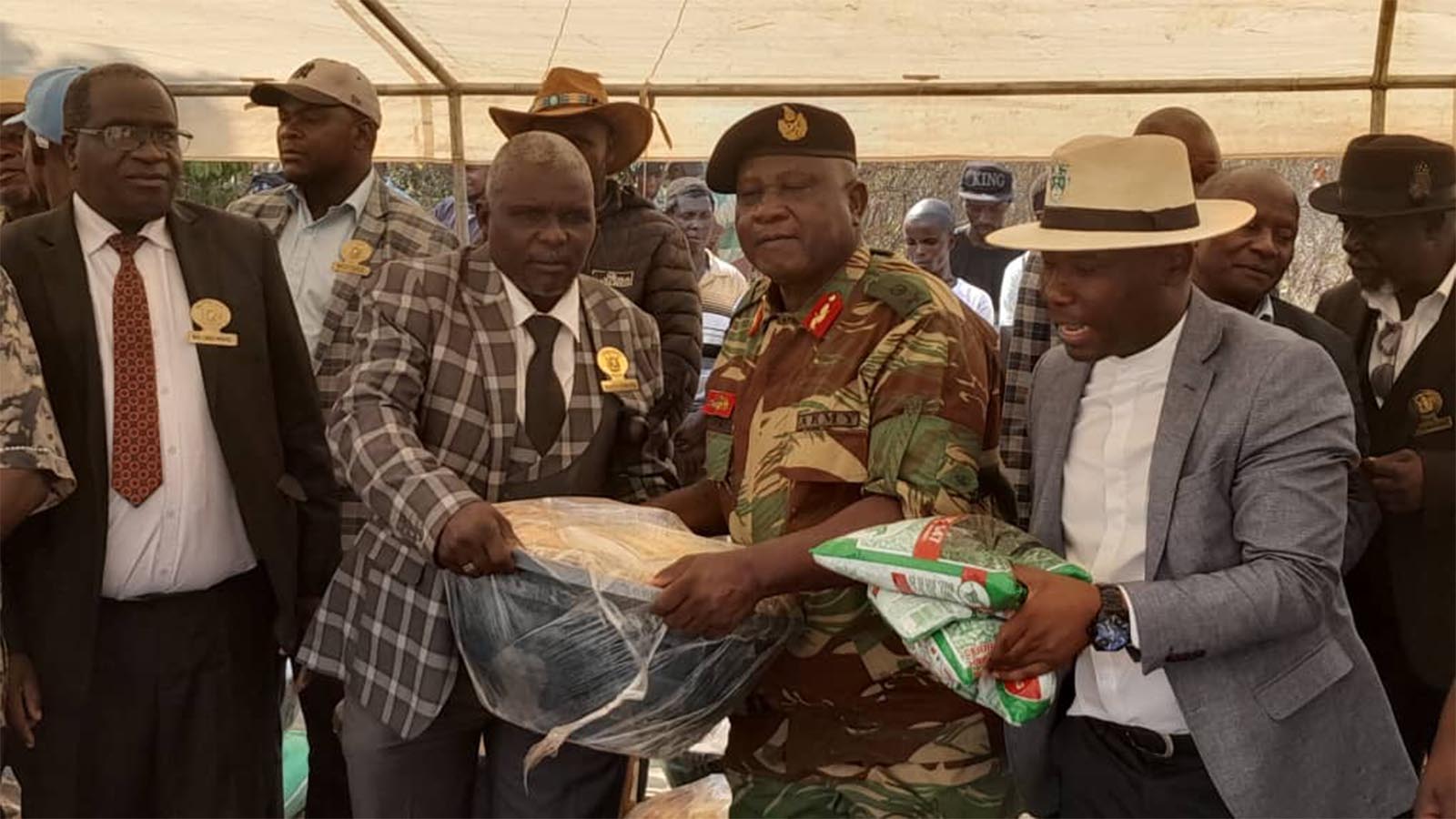
OVER 107 fish farmers in Seke have benefitted from the Presidential Community Fisheries Scheme as the project continues cascading to the grassroots, improving the livelihoods of the rural populations who are often marginalised.
Mr Gift Jeche (54) of Mushaninga Village under Chief Seke, is one of the farmers who has excelled in fish farming and is now realising over US$26 000 during each harvest.
He has so far managed to buy a truck and build a house using the proceeds. Mr Jeche has three productive ponds, two of which contain Tilapia and the third has a mix of Tilapia and catfish.
He is also helping other farmers with fingerlings and information on how to start the project. Speaking during a Fish Day, field visit at Mr Jeche’s homestead in Mushaninga Village under Chief Seke, Mr Milton Makumbe, a director in the Department of Fisheries and Aquaculture Resources Production Department under the Ministry of Lands, Agriculture, Water and Rural Development, said hard work brings success and he encouraged farmers to follow Mr Jeche’s footsteps.
“Today is a great day worth celebrating for this renowned farmer who falls under the Presidential Community Fisheries Scheme and other farmers in Mashonaland East Province, who are into fish farming,” he said.
“Your efforts are not just personal triumphs – they are vital contributions to the broader vision of transforming Zimbabwe’s economy through fisheries and aquaculture.”
He said, through these projects, communities in Mashonaland East are witnessing more achievements than challenges.
“They now have tangible benefits, improved livelihoods, enhanced access to affordable protein, and renewed hope for economic participation,” he said.
“The Fish Day, is a movement and call to action for all stakeholders, farmers, cooperatives, traditional leaders and the Government.
“Together, we are laying a foundation for a US$1 billion fisheries and Aquaculture economy by 2030, aligned with Vision 2030. Nationally, our sector currently produces 31 000 tonnes of fish annually, yet demand stands at 60, 000 tonnes.”
He said the recent Aquaculture Frame Survey that was conducted in Mashonaland East Province identified 107 active fish farmers in Seke District, but the number continues to increase since it is a lucrative business.
He said, last year they had 285 fish farmers and this year the number increased to 425 and they are looking forward to installing 250 fish ponds in Seke.
“We anticipate significant growth in production and market access and farmers’ income, but we must confront the challenges that threaten this progress,” he said.
“We have observed poor pond construction standards, including shallow depths, inadequate lining and lack of protective fencing, which compromise water quality and fish survival.
“The presence of bogus input suppliers, which we aim to curb through the forthcoming Fisheries and Aquaculture Bill – a legislative tool designed to protect farmers and uphold industry standards.”
Mr Makumbe said the gap is a clear opportunity for farmers and communities to rise and contribute meaningfully to bridging it.
Mr Jeche has become a major fish farmer, providing local people and those from beyond with an alternative source of protein and has also created employment by engaging local people.
“I started fish farming in 2016 and I have managed to construct three ponds. I am realising over US$26 000 per harvest and I have managed to purchase a vehicle and build a house,” he said.
“I’m doing integrated farming because I also rear ducks, which use the fish pond, which balances the ecosystem. Ducks help in controlling pests, provide natural fertilisers, and create a balanced and productive environment.”
Mr Jeche has high hopes that the Fisheries and Aquaculture Bill will give intellectual property rights to farmers.
“Government is promoting fish farming as part of an effort to ensure household food and national food and nutrition security,” he said.
“This is one of the transformational visions of achieving a prosperous and empowered upper-middle-income society by 2030 that leaves no one and no place behind.
“Theft as security concerns continue to hamper our progress and confidence and we hope this bill we give us the utmost protection.”
The strategy is pegged on development that leaves no household or village behind.
This is anchored on the Agriculture and Food Systems Transformation Strategy and National Development Strategy 1.