Theseus Mauruki Shambare in MUREHWA
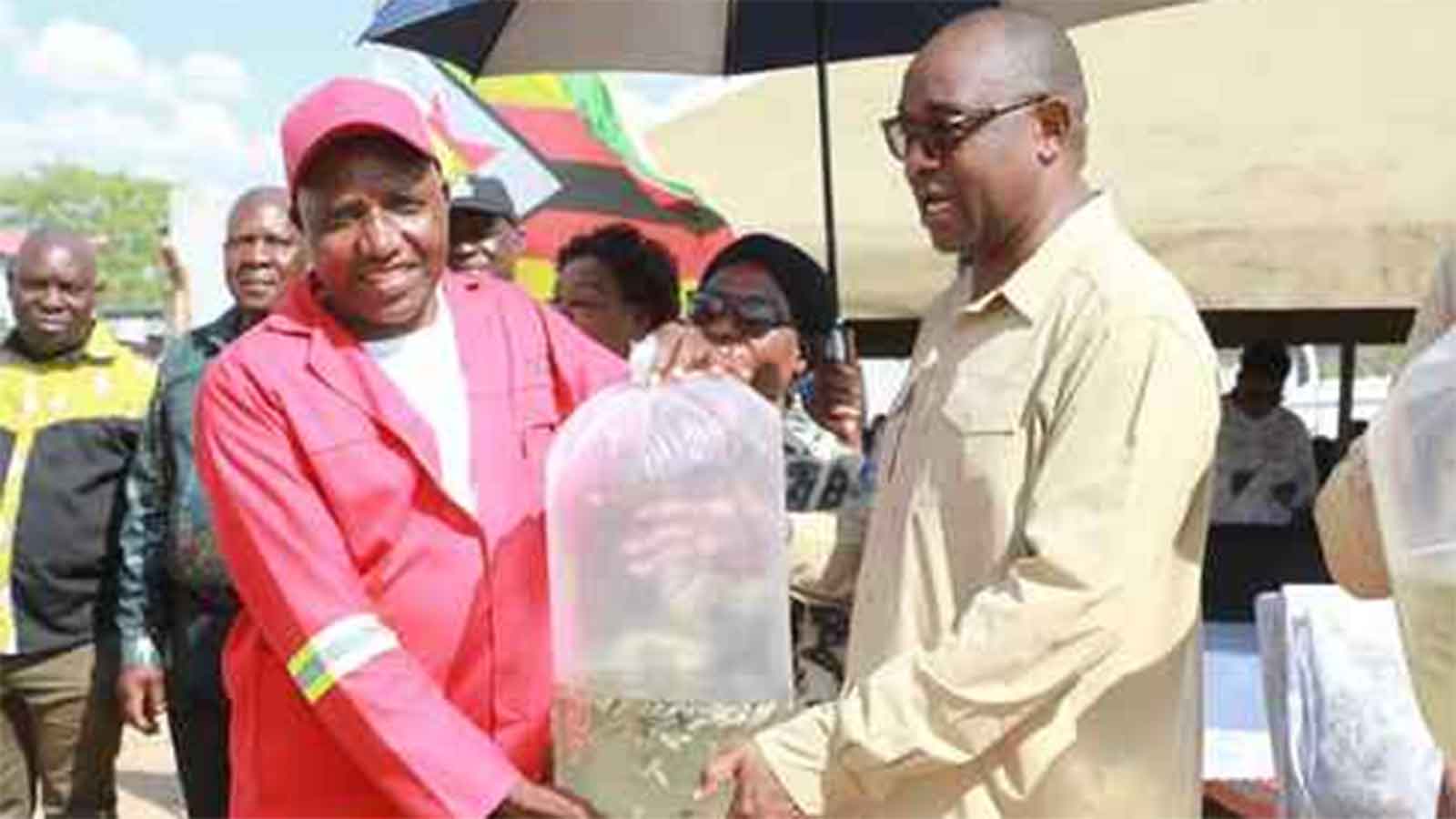
A COMMUNITY fisheries project launched under the Presidential Community Fisheries Scheme is transforming livelihoods in Murehwa District, Mashonaland East Province, after beneficiaries successfully harvested fish from 22 ponds stocked with 32 000 fingerlings two years ago.
An official sample harvesting conducted during the event revealed an average fish weight of 350 grammes, highlighting the project’s growing productivity and the success of community-led aquaculture initiatives.
The project, implemented with support from the Department of Livestock and Fisheries Production, has emerged as a model of inclusive rural development, bringing together women, youths, war veterans and persons with disabilities under one income-generating initiative.
The group comprises 20 members, including seven women, 13 men, four youths, three war veterans and two persons with disabilities.
Speaking during a fisheries pond harvesting event in Murehwa on Thursday, Director of Livestock and Fisheries Production Mr Milton Makumbe said the Presidential Fisheries Scheme was beginning to produce tangible results in communities across the country.
“The provision of fingerlings under this programme is not merely an intervention; it is a strategic investment aimed at strengthening food security, promoting rural incomes and stimulating economic growth,” he said.
“Through fish farming, communities are improving household incomes, enhancing nutrition and contributing to the broader national agenda.”
Mr Makumbe said Murehwa was rapidly emerging as a fish farming hub due to growing community participation and Government support.
“This district is already well known for crop production, particularly maize and groundnuts. The integration of fish farming into these existing systems is commendable,” he said.
“We are proud of the progress being made by this group whose collective efforts have brought us together here today.”
The Livestock and Fisheries Production Department trained the group and assisted in the construction and stocking of the ponds as part of Government efforts to boost food security, nutrition and rural incomes through aquaculture.
Murehwa District Livestock specialist Ms Getrude Ndege said the project was proving that aquaculture had the potential to improve rural livelihoods and household nutrition.
“The success of this fisheries project demonstrates that aquaculture is no longer a side activity but a practical livelihood option capable of improving household incomes, nutrition and food security in rural communities,” she said.
“What is particularly pleasing is the inclusivity of this project. Women, youths, war veterans and persons with disabilities are all actively participating and benefiting from fish farming, which aligns with Government’s vision of leaving no one and no place behind.”
Ms Ndege said interest in fish farming was increasing across the district as communities continued to witness positive results from existing projects.
“Our role is to continue providing technical support, training and monitoring to ensure sustainability and increased production,” she said.
The event comes as Zimbabwe intensifies efforts to expand aquaculture production to reduce fish imports and strengthen national food security.
According to the Ministry of Agriculture, Mechanisation and Water Resources Development, Zimbabwe currently produces 35 151 tonnes of fish annually against a national requirement of 60 000 tonnes.
Aquaculture contributes only 8 211 tonnes, leaving a deficit of about 24 849 tonnes currently being covered through imports.
Mr Makumbe said the supply gap presented huge opportunities for local producers and investors.
“This gap presents a clear opportunity for domestic producers to increase production and reduce reliance on imports,” he said.
At provincial level, Mashonaland East now has 524 fish farmers operating 667 ponds, with authorities targeting further expansion as interest in aquaculture continues to rise.
Government has also launched the Tilapia Value Chain Market Strategy (2026-2030) through the Agricultural Marketing Authority to transform fish farming into a competitive and sustainable industry.
Mr Makumbe said Zimbabwe’s farmed tilapia industry was increasingly being driven by small and medium enterprises, with the number of active fish farmers growing by 8,8 percent from 7 445 in 2024 to 8 101 in 2025.
He said there was also huge potential for value addition through fish processing, including smoked fish, fillets and ready-to-eat products.
Agricultural Advisory Officer Ms Getrude Masuku said extension support and continuous farmer training were playing a key role in the success of community fisheries projects.
“We have been working closely with the farmers through regular training sessions focusing on pond management, feeding, water quality and harvesting techniques. The results we are seeing today are proof that knowledge transfer is empowering communities,” she said.
“Fish farming is complementing existing farming activities in Murehwa. Farmers can now diversify their income streams while also improving household nutrition through access to affordable protein.”
One of the beneficiaries, Ms Hamunyari Chigodora of Moson Village in Changwe Range, said the project had brought renewed hope to her family.
“Before joining this project, it was difficult to meet some of the needs of my four children and grandchild, but fish farming is now helping us earn an income and improve our lives,” she said.
“As women, we are grateful for the opportunity given to us under the Presidential Fisheries Scheme. We have gained valuable skills and confidence through working together as a group.”
Mr Makumbe also urged schools, traditional leaders and Village Business Units to embrace fish farming to strengthen community food security and economic opportunities.
“As a ministry, our vision is to transform aquaculture into a viable and sustainable business,” he said.