Online Reporter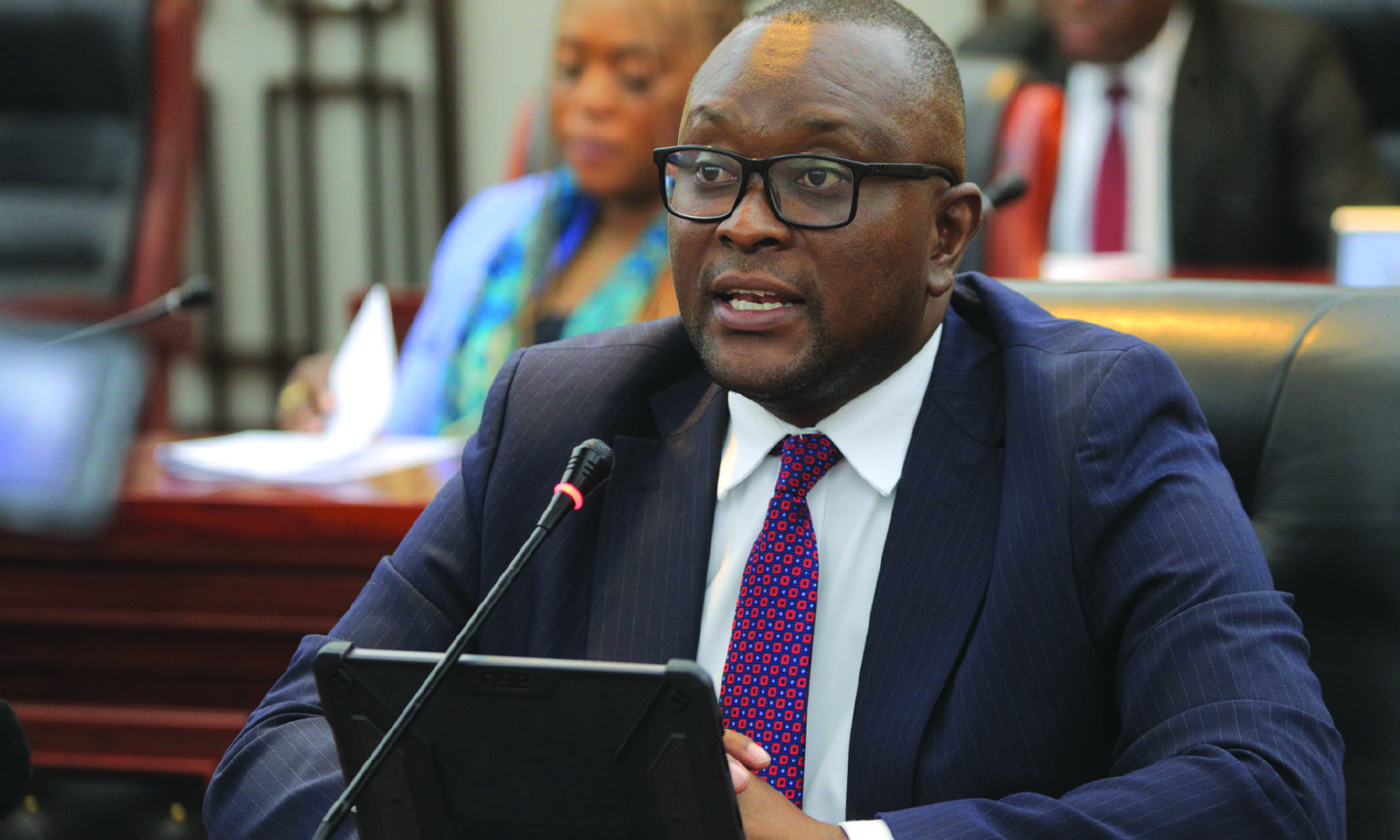
Peter Matika, [email protected]
THE Government is preparing to launch the Presidential Internet Scheme, aimed at providing reliable broadband internet connectivity to all 2 400 administrative wards across the country, in line with the Smart Zimbabwe Master Plan.
The scheme, which will reach even the most remote areas, will ensure that basic social services such as schools, clinics, community centres and farmers benefit from a digital society, leading to increased productivity.
This initiative will utilise advanced Low Earth Orbit (LEO) satellite technology and fibre optic infrastructure to ensure comprehensive coverage and accessibility.
The infrastructure will support schools, community information centres, police stations, health institutions, traditional leaders’ homesteads, agricultural extension offices, courts, district development co-ordinators’ offices, vocational training centres and growth points in the wards.
The programme is specifically designed to connect previously unconnected areas, focusing on the more remote parts of the country. The project is expected to commence in June and run until 2030, with ongoing reviews to keep pace with the rapidly evolving technology landscape.
In his post-cabinet briefing yesterday, Information, Publicity and Broadcasting Services Minister Dr Jenfan Muswere, stated that the launch is in line with the provisions of the Digital Economy Thematic Area of the National Development Strategy 1.
“The Presidential Internet Programme Scheme will bring the following benefits to rural communities: Enhanced broadband connectivity, improved access to digital services, increased use of Information Communication Technology (ICT), improved financial inclusion, greater digital literacy, accelerated digital economy growth and improved transparency, effectiveness and efficiency in governance services,” he said.
Turning to the national youth service launched by President Mnangagwa in May last year, Dr Muswere said the programme is already yielding positive results among the youth demographic.
He noted that the first two cohorts of students, totalling 1 077 individuals who graduated from the six-month training programme, are now set to be employed in State-funded higher and tertiary education institutions, the public service, uniformed forces, State-owned enterprises and special programmes such as the Presidential Solarisation Programme, the Emergency Road Rehabilitation Programme, and the Presidential Borehole Drilling Scheme.
“Other graduates are already enrolling for further skills development at various vocational training centres around the country. The Government has already made it mandatory that vocational certificates will be prioritised for accessing empowerment loans and entrepreneurial start-ups from the Empower Bank,” said Dr Muswere.