Peter Matika, [email protected]
BULAWAYO’s water supply remains under sustained pressure, with dam levels continuing to signal the need for strict conservation as the city residents continue to endure perennial water challenges, a situation attributed to ageing infrastructure and high pumping costs among other complexities.
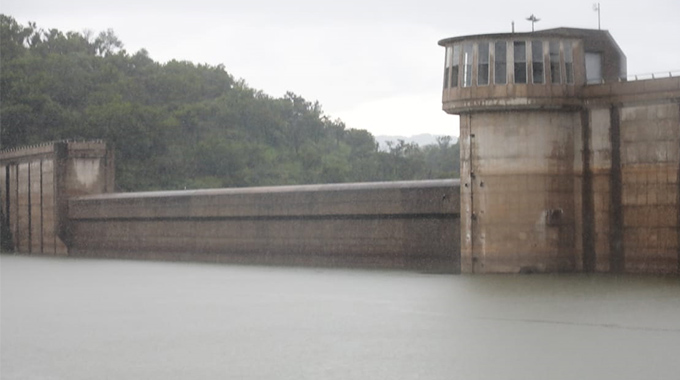
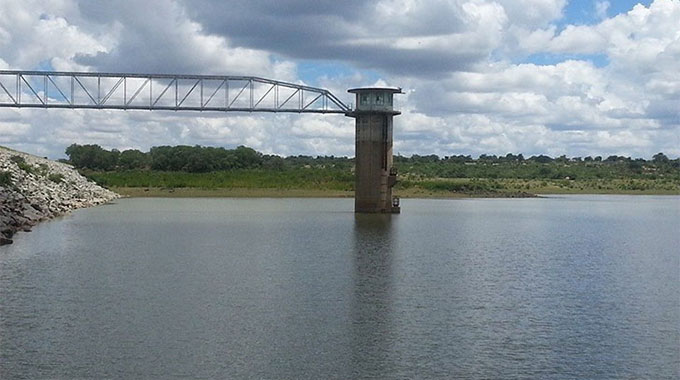
This emerged during a joint tour of Upper Ncema and Umzingwane dams by residents, Government and Bulawayo City Council (BCC) officials yesterday.
The Bulawayo Progressive Residents Association (Bpra), working alongside BCC and the Ministry of Local Government and Public Works, yesterday toured Upper Ncema and Umzingwane dams to assess water levels and better understand the factors affecting supply and delivery to residents.
The visit comes as the city grapples with persistent water shortages, with both the Government and residents increasingly focused on finding sustainable ways to stabilise supplies. Bulawayo’s supply dams are all in Matabeleland South Province and as such, rainfall received in that province is critical to the city’s water security.
Prolonged dry spells in recent years had pushed dam levels to critically low levels, forcing the local authority to ration water.
The inspection is part of efforts to strengthen collaboration between residents, council and central Government, particularly in light of recent moves by Government to take a more direct role in managing Bulawayo’s water resources. This has seen increased oversight of dam levels, co-ordination of supply systems and renewed focus on long-term solutions to the city’s perennial water challenges.
Bpra director, Mrs Permanent Ngoma, said the tour helped bridge the information gap between residents and the local authority while exposing the complexities behind the city’s water situation.
“This engagement is important because it allows residents to have an informed perspective. What we have seen highlights that the challenges are multifaceted, ranging from environmental pressures to infrastructure limitations and resource constraints,” she said.
Mrs Ngoma noted that illegal mining activities in catchment areas are a growing threat to water security.
“There is clear evidence that illegal mining upstream is negatively affecting inflows into our supply dams.
This not only reduces the amount of water reaching reservoirs but also contributes to siltation, which reduces storage capacity over time,” she said.
Mrs Ngoma stressed that water challenges extend beyond what residents experience at household level.
“There is a broader ecosystem at play. Protecting catchment areas must be a shared responsibility if we are to secure both immediate and long-term supply,” she said.
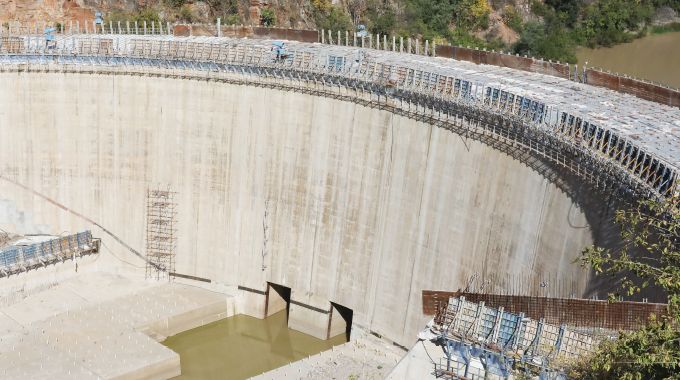
Providing a technical assessment, BCC engineer Mr Dumani Gwetu said while dam levels may appear moderate, they remain inadequate when weighed against the city’s demand and structural limitations.
“At present, Upper Ncema Dam is sitting at 55 percent capacity, while Umzingwane Dam is at 46 percent. While these levels may appear moderate, they must be viewed against the city’s high demand and the limited number of supply dams available to Bulawayo,” he said.
He added that environmental degradation, particularly illegal mining, are placing additional strain on already stretched resources.
“The challenge is not only about the availability of raw water, but also the cost and efficiency of pumping and delivering that water to residents. Some of the issues affecting supplies are rampant illegal mining activity at supply dams, which puts additional strain on resources,” said Eng Gwetu.
Bpra Chairperson Mr Stephen Nkomo described the tour as an eye-opener that deepened residents’ understanding of the city’s water supply dynamics.
“We now have a clearer appreciation of the technical, environmental and financial realities affecting water delivery. It is not as straightforward as it may appear from the consumer side,” he said.
Mr Nkomo said the insights gained would guide future engagement between residents and authorities, with a follow-up meeting scheduled for tomorrow.
For years, Bulawayo has battled water shortages largely due to erratic rainfall, limited dam capacity and rising demand from a growing population and industrial activity. The city depends on a network of dams located outside its boundaries, making water conveyance both complex and costly.
The Government has in recent years intensified its involvement in the sector, including assuming a greater role in water management to improve co-ordination, investment and long-term planning.
This intervention is also tied to major infrastructure projects such as the proposed Lake Gwayi-Shangani project, which is expected to provide a lasting solution to Bulawayo’s water challenges once completed.
The council is pushing for the construction of the proposed Glassblock Dam, a US$98 million project expected to significantly boost supply capacity.
The dam, to be built in the Upper Umzingwane catchment area at the confluence of Gwanda, Umzingwane and Filabusi districts, is seen as a medium-term solution to the city’s perennial water challenges.