admin
admin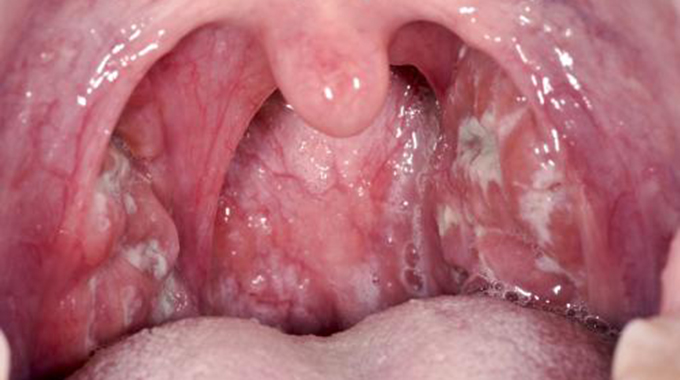
The Rhodesia Herald,
February 4, 1969
THROAT infections, skin and emotional disorders are three of the most prevalent diseases among Europeans in Salisbury according to a survey carried out by two local doctors in a practice of about 3 500 patients.
The results of the survey, made between May 1965 and May 1966, are published in the latest edition of the Central African Journal of Medicine.
The survey showed that 45 percent of all cases fell into the three disease groups mentioned, while 40 percent of all diagnoses made were upper respiratory tract infections, accounting for an average of almost four doctor-patient contacts daily.
Of the 1 370 upper respiratory tract infections recorded, 105 patients suffered from streptococcal throats, but the article says, because throat swabs were not taken as a routine procedure the prevalence of streptococcal diseases was probably much higher.
“It would appear that there is no room for complacency and it is the authority view that this apparent increase (in occurrence of streptococcal disease) should be watched closely.”
Skin disorders accounted for 388 people out of the total number of patients, while 331 patients suffered from minor emotional disorders.
Of the list of 51 categories of diseases, alcoholics rated among the lowest with only five cases recorded.
Based on a similar survey carried out in an English practice in 1964, results show that only 30 per cent of the rate of disease in this practice could be blamed on the respiratory tract compared with 40 per cent in the Salisbury practice.
This fact, the authors say, demands further research.
LESSONS FOR TODAY
- Streptococcal infections are any type of infection caused by a group of bacteria Streptococcus.
- The most common one is strep throat, an infection of the throat and tonsils caused by group A Streptococcus bacteria.
- Today, prevalent diseases or conditions include different forms of cancer, diabetes, high blood pressure. All these are called silent killers.
- There is need to invest very heavily in public health and wellness, and have well qualified personnel including state of the art equipment.



 Online Reporter