Online Reporter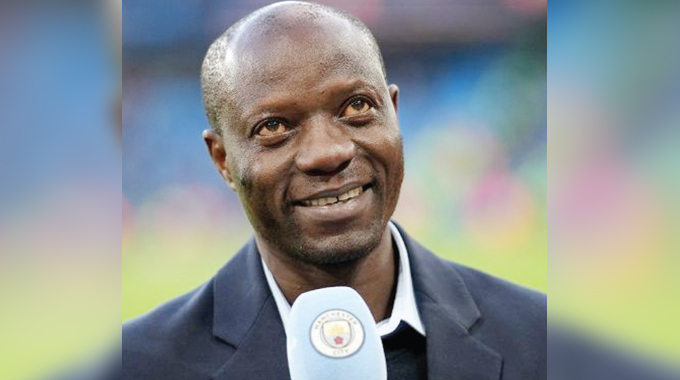
Stanford Chiwanga, Quality Editor
THE dust has finally settled on the highly publicised ‘spat’ between Highlanders and their generous benefactor, Wicknell Chivayo, but the true cost of the club’s swift and diplomatic rejection will only become apparent next season.
By publicly turning down Chivayo’s offer to install former Warriors captain Benjani Mwaruwari as head coach, the Bulawayo giants did more than assert their institutional autonomy; they squandered a unique, multifaceted opportunity to transform their financial and competitive standing in the Premier Soccer League.

The most significant loss stemming from the refusal is the anticipated transfer war chest that Chivayo was expected to provide. The local football transfer market in Zimbabwe operates uniquely, relying heavily on free transfers. Clubs such as Scottland, MWOS and Simba Bhora have successfully utilised this model by strategically targeting players whose contracts have expired. Last season, for example, Scottland secured a large portion of their squad from Simba Bhora as free agents and CAPS United have already wrapped up their transfer business by signing the bulk of their players from Ngezi Platinum, also on free deals.
In this environment, having substantial capital — not necessarily for buying contracts, but for offering competitive sign-on fees and superior salaries — is the defining factor for success. Had the deal proceeded, Highlanders would have been financially ring-fenced to rival, or even surpass, these well-resourced clubs.
Chivayo’s expected funding would have provided Bosso with the necessary firepower to dominate the free-agent market. This capital injection could have been strategically deployed to attract the PSL’s best out-of-contract talent, allowing Highlanders to build a squad capable of genuinely challenging for the league title rather than simply aiming for respectable finishes. The club missed the chance to secure immediate financial leverage that would have seen them become the most aggressive and attractive suitors in the transfer window.
Furthermore, by accepting Benjani and the accompanying sponsorship, Highlanders could have achieved immediate financial stability. The funds the club would normally earmark for the new coach’s salary and staff could have been redirected towards other crucial areas, such as youth development, infrastructure improvements, or simply ensuring their existing wage bill was paid promptly. Given that the club frequently finds itself in the red, this guaranteed external funding source for the technical department represented a masterstroke in strategic financial management.
Instead of utilising Chivayo’s patronage to strengthen their balance sheet and build long-term sustainability, the club chose to reject the offer, forcing them back into the costly process of funding the technical team internally.
Beyond the money, Benjani’s sheer stature offered several intangible benefits. As a former English Premier League star and national team captain, he was bound to attract the best players in Zimbabwe simply because of his name and reputation. Players, particularly younger ones, often choose clubs based on the opportunity to work with footballing legends, viewing it as a clear path to professional improvement and international exposure. Crucially, Benjani would have commanded an instant level of respect from the playing squad that no ordinary local coach could easily match.
His exploits on the pitch — playing at the highest level in England and France — provide an automatic aura of authority and credibility. This kind of respect is invaluable in the dressing room, fostering discipline, ambition and a winner’s mentality, essential elements often lacking in teams striving for consistent league success. Highlanders also missed the chance to embrace a sophisticated, modern technical structure.
The club could have opted to operate with a coaching committee led by Benjani, similar to the model famously, albeit sometimes controversially, used by South African giants Mamelodi Sundowns. In this model, Benjani would have served as the high-profile figurehead and strategic leader, focusing on motivation, player attraction and tactical oversight, while being supported by experienced club loyalists or specialists.
This committee approach would have satisfied Chivayo’s patronage while safeguarding the club’s desire for internal continuity, ensuring that former Bosso players could still be integrated into the technical bench. Such a structure would have blended world-class standards with the club’s deep-rooted identity, offering the best of both worlds.
In turning down the offer publicly, Highlanders not only lost a potential fortune and a star coach but also demonstrated a lack of diplomatic acuity and strategic foresight. The price of their principled refusal is a squandered opportunity to become competitive again after surviving relegation.