Online Reporter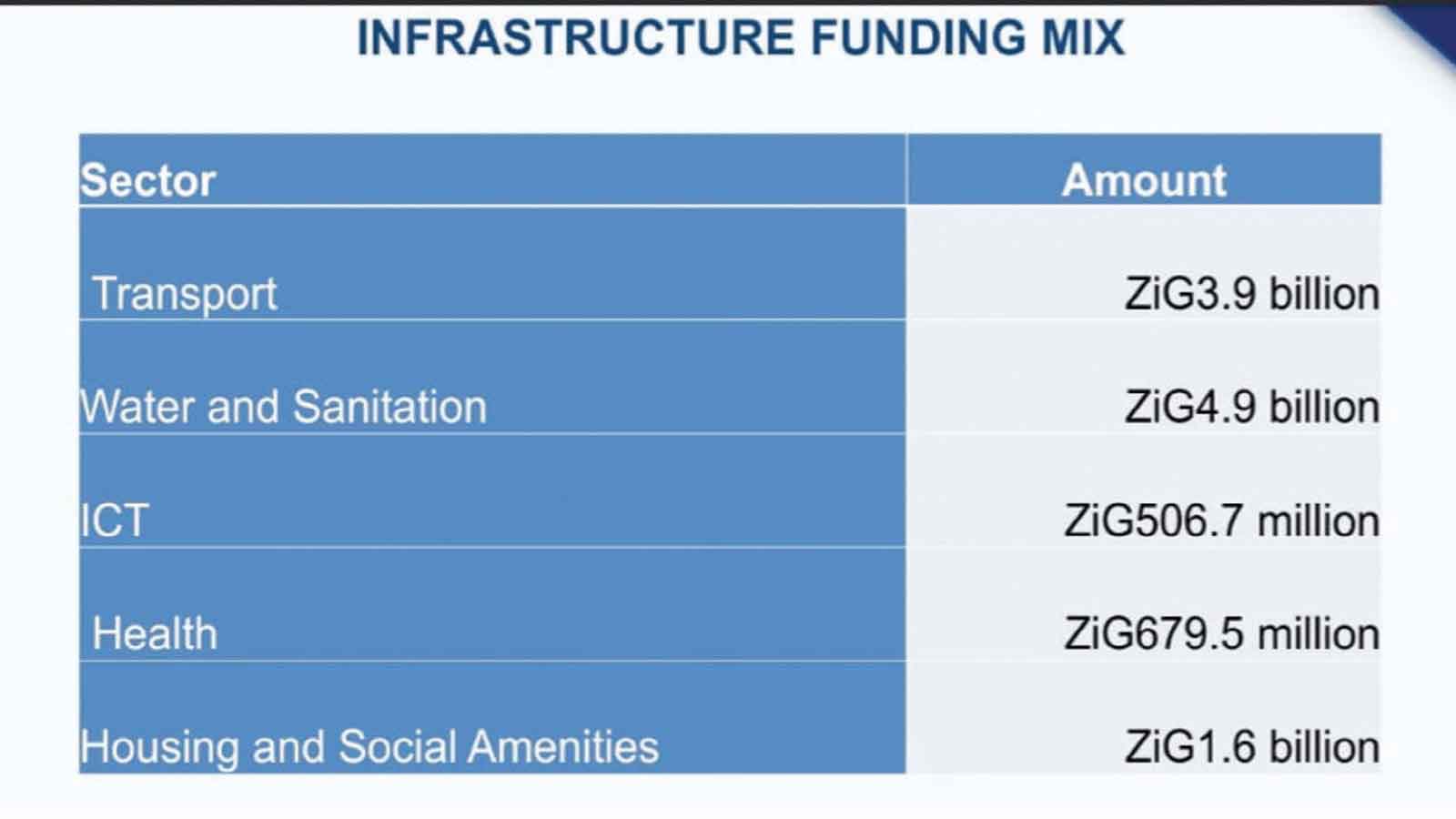
Michael Tome
Business Reporter
ECONOMIC ANALYSTS have called on the Government to prioritise reliable electricity supplies, water infrastructure and the rehabilitation of the national rail network in the 2027 National Budget, saying these investments would support industrialisation and generate notable economic returns.
Their recommendations come after the Government, in its 2027 Budget Strategy Paper, announced that public resources would be channelled towards high-impact programmes and projects aimed at accelerating economic transformation and promoting value addition.
According to Treasury, the fiscal policy thrust for the 2027 National Budget would be anchored in the implementation of the National Development Strategy 2 (NDS2), with increased public investment directed towards productive sectors, value addition, beneficiation and critical infrastructure.
In the 2027 Budget Strategy Paper, Finance, Economic Development and Investment Promotion Minister Professor Mthuli Ncube said the Government would channel resources to high-impact programmes capable of accelerating structural transformation while supporting inclusive growth and improving citizens’ welfare, in line with Vision 2030.
He said expenditure would prioritise productive sectors, value addition, beneficiation and critical infrastructure, with public resources channelled towards high-impact projects capable of accelerating structural transformation while improving citizens’ welfare.
“Expenditure prioritisation will favour productive sectors, beneficiation and enabling infrastructure, while safeguarding inclusive growth and improvements in the welfare of citizens, consistent with the tenets of Vision 2030,” said Minister Ncube.
He said the 2027 fiscal framework would continue to emphasise fiscal consolidation, prudent expenditure management and enhanced domestic resource mobilisation, with the Government targeting a budget deficit of about 0,5 percent of gross domestic product (GDP), well below the statutory ceiling of 3 percent. Minister Ncube said maintaining fiscal discipline, strengthening public financial management and deepening coordination between Treasury and the Reserve Bank of Zimbabwe (RBZ) would preserve macroeconomic stability, boost investor confidence and support long-term industrialisation and sustainable economic growth.
Economic analyst Professor Albert Makochekanwa said sustained investment in affordable and reliable electricity should be at the centre of the country’s development agenda, as energy remains a critical input for industrial production and economic growth.
He noted that dependable water supplies were equally important for households, manufacturing, agriculture and other productive sectors, adding that investing in these infrastructure systems would be essential to improving productivity and living standards.
Prof Makochekanwa called for continued investment in transport infrastructure, sewer systems and other public utilities. He said efficient infrastructure lowers the cost of doing business and enhances the competitiveness of local industries.“
Consistent availability of affordable electricity is critical to powering industry. The same applies to water and other utilities,” he said. “These are fundamental investments that support production, improve living standards and reduce the cost of doing business.”
Economist Mr Eddie Cross said the revival of Zimbabwe’s railway network should rank among the Government’s highest investment priorities, arguing that rail transport was significantly cheaper than road haulage for moving bulk cargo. He said Zimbabwe’s over-reliance on road transport had substantially increased logistics costs and accelerated the deterioration of the country’s road infrastructure.
According to Mr Cross, pipeline transport costs about two US cents per tonne-kilometre, railway transport between three and eight cents, while road transport typically ranges from 12 to 20 cents per tonne-kilometre, making rail a far more cost-effective option for freight movement. He noted that Zimbabwe moves the overwhelming majority of its imports and exports by road, despite historically having had a rail system capable of transporting around 20 million tonnes of cargo annually.
“Today, our railways are carrying roughly 10 percent of their historical capacity,” said Mr Cross. “Restoring the rail system would save the country substantial amounts in transport costs, while reducing pressure on road infrastructure.” He noted that lower transport costs would improve the competitiveness of Zimbabwean exports and reduce the landed cost of imported goods. Mr Cross urged the Government to continue promoting mineral beneficiation, particularly in the lithium sector, where processing lithium concentrate into lithium sulphate significantly increases export earnings and lowers transport costs through reduced shipment volumes.
He said, generally, the Government’s direct capital investment should focus primarily on strategic infrastructure such as railways and energy generation, leaving processing investments to mining companies.
“In terms of Government investment, railways would be at the top of my list, followed by power generation, because without energy you cannot industrialise, and manufacturing is what creates jobs,” he said.
These recommendations align with the Government’s fiscal policy direction for 2027, which places productive investment and infrastructure development at the centre of economic policy.