

 Online Reporter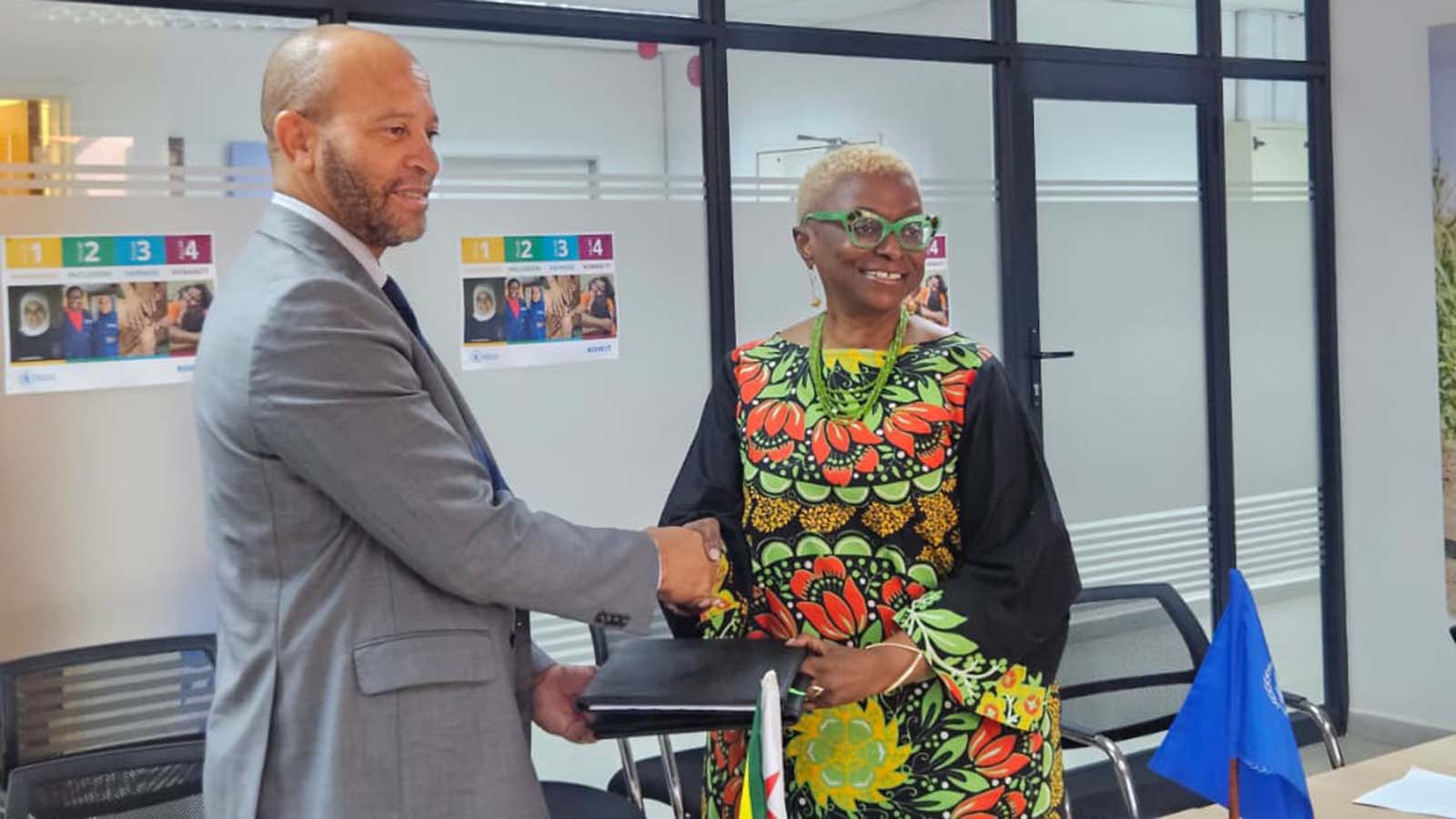
Theseus Shambare
Herald Correspondent
THE private sector has been positioned as a critical partner in strengthening Zimbabwe’s food security following the signing of a Memorandum of Understanding (MOU) between the World Food Programme (WFP) and the Zimbabwe Investment and Development Agency (ZIDA) in Harare today.
The partnership comes at a time when humanitarian organisations, including WFP, have faced significant setbacks due to funding suspensions and the withdrawal of US support.
The new collaboration seeks to leverage private sector investment to complement humanitarian efforts and create sustainable solutions for households affected by seasonal food insecurity.
WFP Zimbabwe Representative and Country Director Ms Barbara Clemens said the agreement formalises a relationship aimed at bridging humanitarian and private sector engagement.
“We believe strongly that part of building sustainable food systems is ensuring that private sector investors in Zimbabwe take an active role in supporting communities, not just through corporate social responsibility, but through direct investment that strengthens livelihoods and household resilience,” she said.
Ms Clemens emphasised that the MOU will allow WFP to convene the government, donors, and private sector players to align efforts with national priorities.
“We are here to ensure that our food security mandate translates into real impact. By partnering with ZIDA, we can identify investment opportunities where businesses can support communities prone to seasonal food insecurity, ultimately strengthening Zimbabwe’s food systems,” she said.
ZIDA chief executive officer Mr Tafadzwa Chinamo said the agreement would enable the agency to channel private sector investment into strategic interventions that enhance agricultural productivity and household resilience.
“Our role is to facilitate market entry for investors while ensuring that their contributions have meaningful impact. Through this partnership, WFP and ZIDA will explore opportunities where private capital can support smallholder farmers and vulnerable households, transforming humanitarian support into sustainable economic development,” Mr Chinamo said.
The MOU comes as WFP prepares to implement its new country strategic plan, focusing on resource mobilisation that blends traditional government donors with private sector engagement.
By bringing private investors into discussions about food security and community development, the initiative aims to create long-term solutions that outlast short-term food aid.
Ms Clemens said the agreement also reflects a broader global challenge, with funding constraints forcing humanitarian actors to innovate.
“We want to move beyond just providing food assistance. By working with private sector partners, we can ensure that communities have the infrastructure, agricultural support, and economic opportunities to be self-sufficient,” she said.
The WFP-ZIDA partnership is aligned with Zimbabwe’s National Development Strategy 2 (NDS2) and represents a significant step in building resilient, sustainable food systems capable of withstanding seasonal and economic shocks.



 Peter Tanyanyiwa