Moffat Mungazi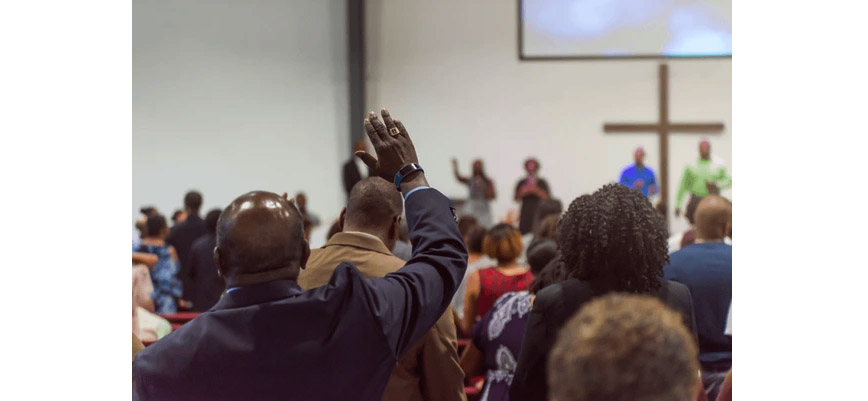
Rodgers Irimayi
Cultural Perspectives
THIS week, I will centre my discussion on an outstanding and topical phenomenon which touches the hearts of many Christian believers – the rise of so many churches in our communities – which has left many questioning their real purpose.
Does the rise of so many churches mean many people are repenting?
Is it a sign of the end of the world?
Is it poverty that is driving almost all Africans to seek for divine intervention?
Unlike other continents, why does Africa have thousands of these churches?
How safe are cultural systems from the unconventional church worshipping practices?
The proliferation of unconventional churches has contributed to a complex Christian landscape in Africa.
All African countries have common numerous church creations that are mushrooming at all opportunistic spaces found in communities.
The freedom of worship is enshrined in the Zimbabwean Constitution, Chapter 4, Part 2, Section 60 which provides for the Freedom of Conscience, and permits the practice of one’s faith without restriction.
This has led to a surge in the establishment of new churches, each with its unique interpretation of Christianity.
Many churches often emphasise healing, the inclusion of spiritual powers, and the gospel of prosperity which attracts individuals seeking solutions to challenges in life.
Apart from the orthodox and protestant churches, most unconventional churches originate from African religious leaders who have formed indigenous and pentecostal sects.
These Christian churches are often led by charismatic figures who claim special spiritual gifts or revelations.
Levels of extreme poverty, unemployment and suffering seem to push many people in Africa to seek divine intervention, spiritual fulfillment and answers.
This ultimately leads them to explore unconventional churches with the hope of getting help, find meaning and purpose in life.
Some churches are known by the structure of the buildings they construct, but others do not pray in buildings, but utilise any unoccupied space in mountains and under shades of trees.
This has resulted in the numerous gatherings that are found in human settlement areas such as towns, farms compounds, villages and mining areas.
The health of church members is compromised where there are no ablution facilities, but many churches continue to gather in areas where there are no toilets and sources of water, yet the health personnel ignore them.
While indigenous African churches may not have explicit poverty alleviation programmes, their emphasis on community, healing, and social ministries with the inclusion of traditional practices that are culturally relevant, appeal and attract large membership that are wallowing in poverty.
By so doing, the unconventional churches challenge traditional churches to re-examine their practices and relevance in contemporary society.
Look at how the Apostolic and Zion sects have developed unique ways to support their members through the cultivation of strong community bonds, providing support networks for members struggling with poverty.
Many churches exploit their followers through the gospel of prosperity as they emphasise financial gain or personal enrichment over spiritual growth and well-being.
Some churches dwell of the importance of tithing and offerings, and often use guilty or instil fear to extract financial contributions from followers.
Prosperity gospel encourages followers to give large sums of money in exchange for financial blessings or miracles.
This ultimately leads to misuse of funds by the church leaders.
These leaders usually use the church funds for personal gain or luxury, rather than using them for the benefit of the congregation or community.
Many of these mushrooming churches lack accountability as their authoritarian leaders are not held accountable for their actions or decisions.
Some church leaders are extremists whose beliefs go beyond human expectations.
They lack transparency in their financial dealings, decision-making processes, or even within their governance structures.
Members are not allowed to question how resources in cash and kind are used.
It becomes a sin to do so, and the quest for accountability might result in one losing membership.
Other forms of exploitation within some churches include physical or sexual abuse where in some cases, church leaders may exploit followers using their position of power to manipulate or coerce.
Many young women have fallen prey and victims of rape after being influenced by their church leaders.
While some churches promote good moral behaviour, others encourage promiscuity and child marriages.
Other churches may encourage self-isolation of followers so that they remove themselves from outside influences, making them more vulnerable to exploitation.
However, not all churches engage in exploitative practices, as many prioritise the well-being and spiritual growth of their followers.
There is rampant emotional and psychological manipulation where church leaders encourage members to follow certain teachings that result in emotional dependence.
Some churches create an environment where followers become over reliant on the church or leader for emotional support and validation.
Such leaders use loaded language to control their followers, and various tactics such as gas-lighting for psychological manipulation and control of behaviour.
Some leaders go to the extent of extracting hard earned money from their followers by making them believe that by buying things such as anointed bricks and anointed oil, they will own homes and cars.
The leaders may even make false promises or guarantees of success, health, or prosperity in exchange for loyalty or financial contributions.
The proliferation of churches has some positive aspects such as the provision of spiritual guidance, support, and a sense of community for their members.
Churches provide community platforms that serve as community hubs where cohesion and social connections as well a sense of belonging among members is built.
It is important to mention the major role played by many churches which is engaging in charitable activities, such as providing food, shelter, and education to those in needy.
By promoting values like compassion, forgiveness, and honesty, churches shape the moral frameworks and upbringing of their youthful members.
The negative side of the continuous multiplication of churches in our society, has the undermining of unity among citizens.
Numerous churches cause division and fragmentation within communities, as different denominations and interpretations of faith can create tensions and conflicts.
The gospel of prosperity has led to the commercialisation of faith as evidenced by churches that prioritise financial gain over spiritual growth.
The emergence of many unconventional churches has resulted in false prophets and cults taking over religious activities.
These false prophets and cults can manipulate, and exploit vulnerable individuals.
These churches end up engaging in competition and rivalry which can create tensions and conflicts within communities.
Lack of Government regulation and oversight has contributed to this proliferation of unconventional churches.
It is common knowledge that Zimbabwe’s religious landscape is predominantly Christian, and the religious heritage needs to be safeguarded before every homestead becomes a church.
There is need for registration and licensing of churches to ensure prescribed standards are adhered to.
These licences to operate can be revoked if the church fails to meet certain standards or engage in illegal activities.
By monitoring church activities, Government can ensure compliance with laws and regulations.
To encourage churches to stick to their mandates, Government can provide financial and technical support to those that are into charitable or community development work.
Government can also go into partnerships with churches that are into education, healthcare, and poverty mitigation.
It is imperative for Government to intervene by regulating churches as such a move can promote accountability and transparency within churches.
Registering churches and licencing them ensure that they operate in a responsible and ethical manner rather than the mumbo-jumbo in which things are being done.
This regulation by Government must also balance between protecting freedom of worship, and promoting the growth and development of the churches.
Rodgers Irimayi is the Ministry of Information, Publicity and Broadcasting Services Masvingo Provincial Information Officer. He writes in his personal capacity and can be contacted on +263778246098 or [email protected].



 Online Reporter