Online Reporter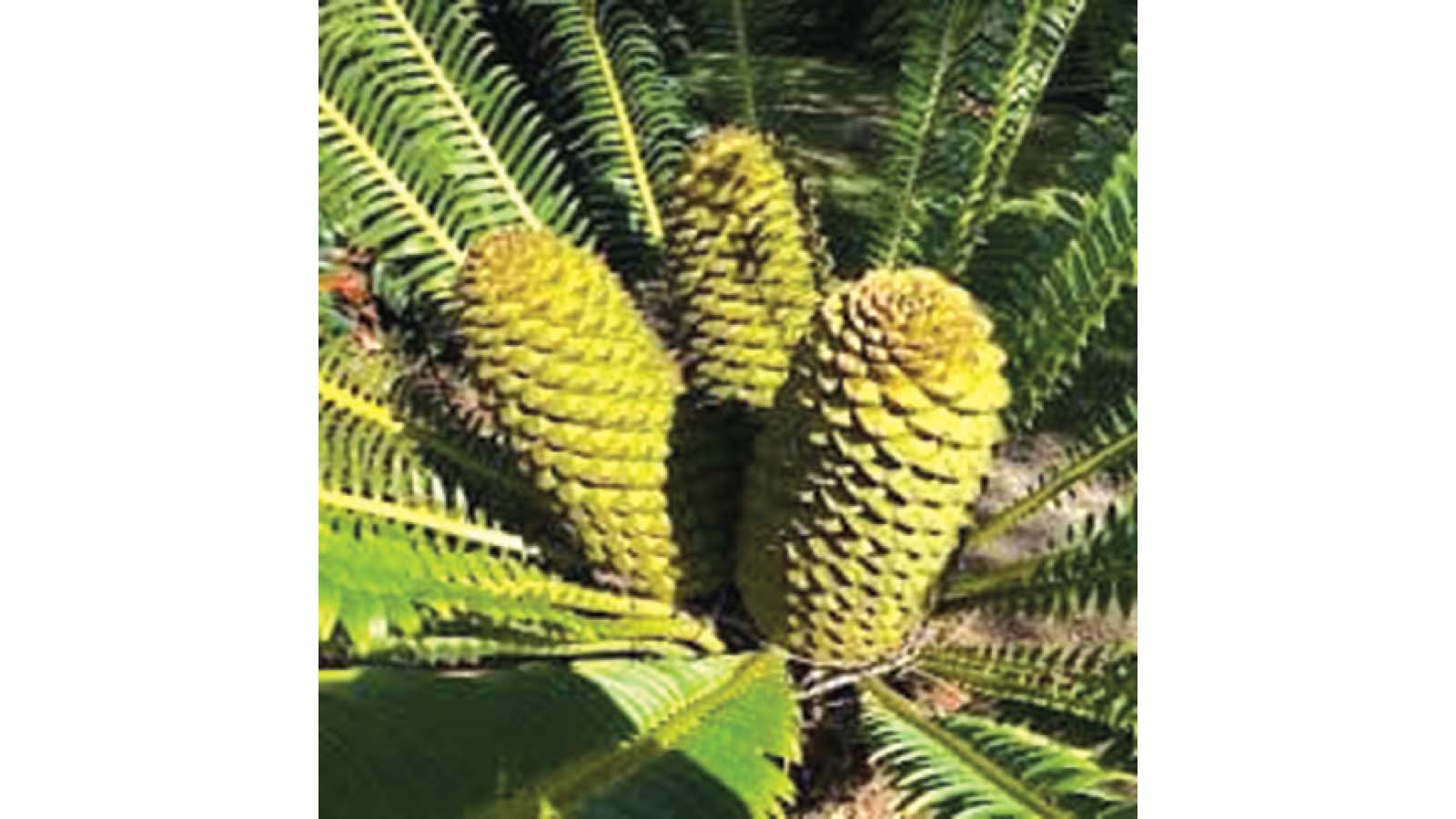
Andrew Mangwarara
THIS prehistoric plant species has fascinated mankind the world over.
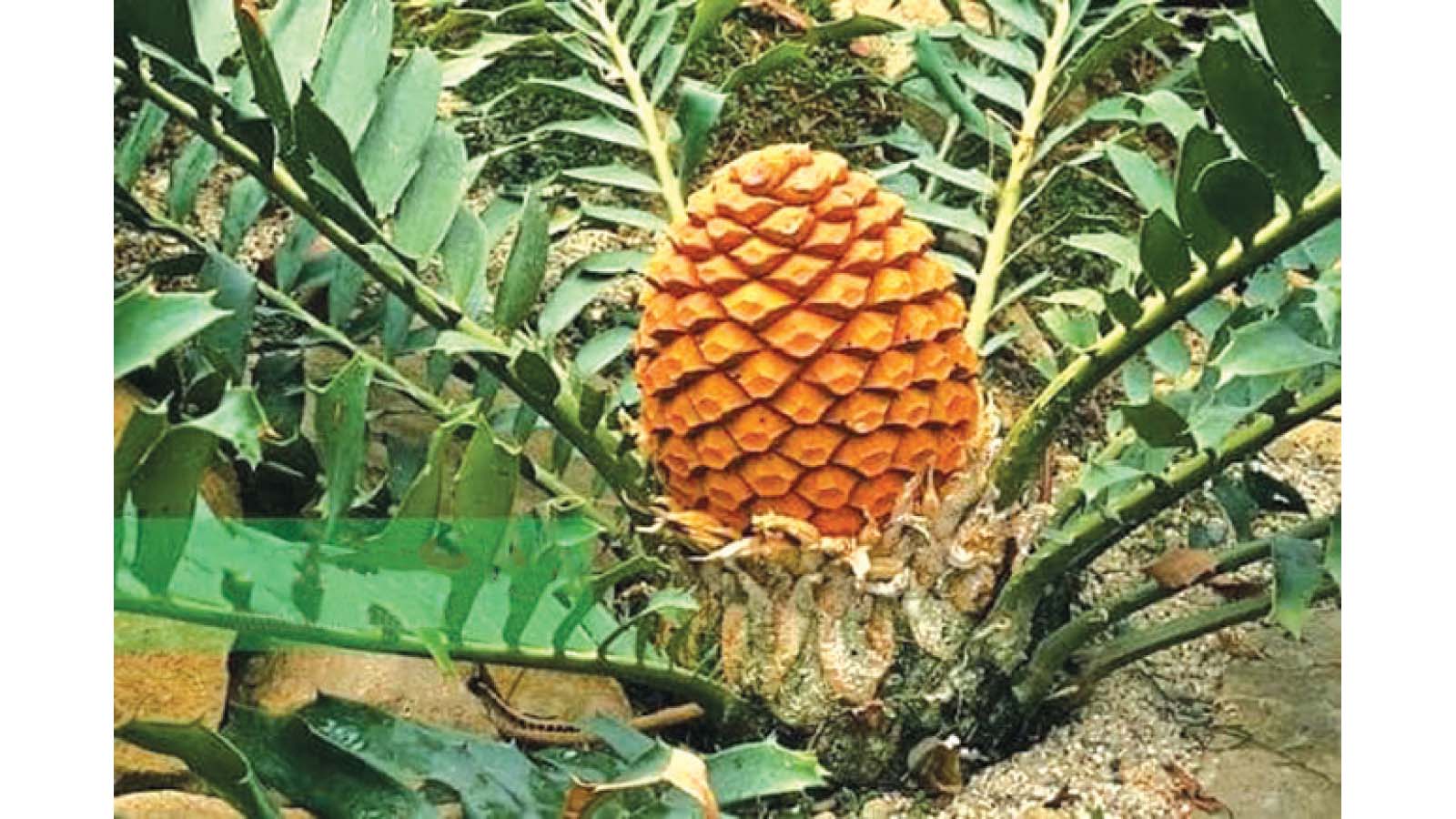
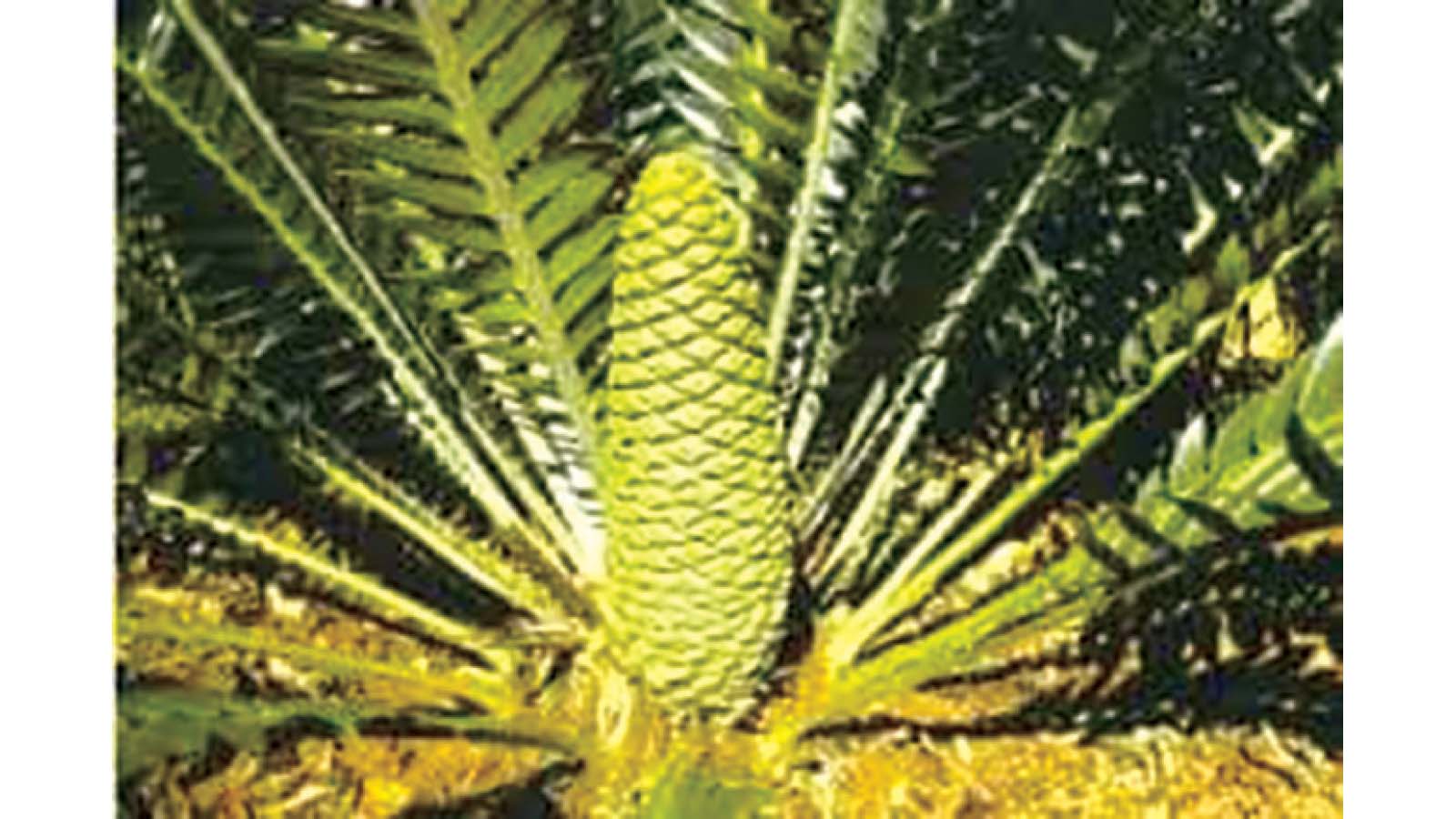
Cycads truly fit into the dinosaur era and have been around for that long, as you only need to look at their architectural leaf structure, cones and ground-protruding trunk to be convinced.
Although they have survived for this long, they might disappear in our present age due to human activities, unless we make concerted efforts to halt their extinction.
There are many species of cycads in the world that survive in a variety of climates, but our focus today is on our own Zimbabwean cycads.
We have three distinct species, namely the encephalartos chimanimaniensis, the encephalartos concinnus and the encephalartos manikensis.
While it is not an easy task to distinguish them, we will leave that to the botanists.
Zimbabwean cycads have had a rather sad story because the arrival of white settlers in the country caused the mushrooming of the now-lucrative landscaping industry.
For many years, there was a silent scramble in the Eastern Highlands to collect these cycads. Some collectors even smuggled them out of the country.
Sadly, the encephalartos chimanimaniensis is now on the verge of extinction in the wild, according to the “Southern African Plant Red Data Lists”, which record the status of threatened plant species in Southern Africa.
The prospects for the other two species are also not rosy as they continue to face threats such as deforestation, agriculture and illegal collection.
What then is the way forward for us gardeners who love this majestic plant and want it in our gardens? You should approach the Zimbabwe Parks and Wildlife Management Authority for a permit.
Remember that you can be prosecuted for picking up, cultivating, selling, purchasing, transferring or possessing cycads without a valid permit, meaning the practice of buying roadside plants could land you in jail.
However, the story of our cycads does not have to end sadly. It can, instead, have a happy ending.
The few remaining cycad sites need to be protected and ex situ conservation sites should be established, particularly in the communities where the cycads occur.
These communities can be allowed to grow and sell second-generation plants, relieving pressure on the wild population.
Cycads are quite easy to propagate. The process can start with pollinating the female plants. This is done when the scales on the female cone open up to about two to three millimetres.
Pour the pollen, mixed with water that you previously collected and stored in jars in a deep freezer, over the cones.
This pollen can be stored for up to two years.
Harvest the seeds when the cone begins to crumble.
Wear gloves when you wash the seeds because the seed coating is believed to be carcinogenic. Plant them in a mixture of two parts river sand and one part pine bark.
Plant the seed by simply placing it horizontally on the medium and pressing it down slightly.
Cycad seeds usually germinate in six to nine months. This ancient relic is not particularly fussy when it comes to growing conditions, though it prefers morning sun and afternoon shade.
If it is planted in a shady place, it will produce spindly growth and take a long time to produce cones. Ensure that the site you choose for your cycads is well-drained, otherwise the plant will rot.
A neutral pH of six or seven will suffice, along with fertilising using organic compost. Pests and diseases are not a major threat as the plant is quite resilient, but you should still look out for scales.
Do your part as a gardener to conserve the Zimbabwean cycad for the sake of future generations.
Happy greening!
If you would like to be featured in our green-up campaign, contact us on: [email protected] or [email protected]