Online Reporter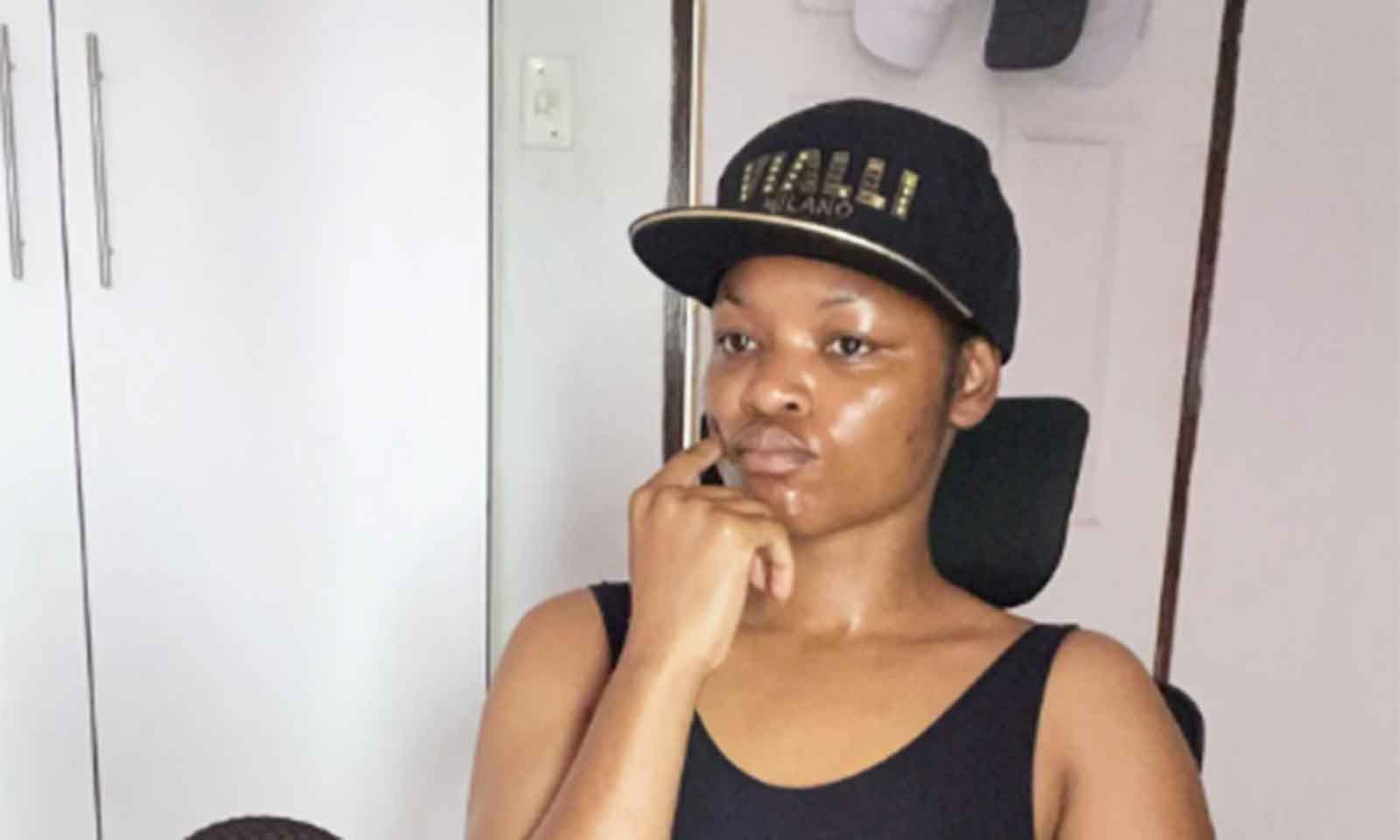
Kimberly Mhembere
ZIMBABWE’S digital space has once again become a mirror for deeper national anxieties, as social media virality collides with culture, law and public morality.
What began as trending content has evolved into a broader reckoning about freedom of expression, monetisation and the boundaries of acceptable online behaviour.
At the centre of the debate is Queen Nadia, a Zimbabwean Facebook content creator whose rise has been swift and unprecedented.
She opened her Facebook account in November last year.
In less than three months, she amassed between 3.1 million followers and generated more than one billion views within a 28-day period, placing her among the fastest growing digital personalities Zimbabwe has produced.
In a country with an estimated population of about 17.4 million, the scale of these figures has unsettled many observers and ignited a national conversation that stretches far beyond social media metrics.
Queen Nadia’s content, widely described by critics as sexually suggestive, has propelled her into global visibility.
Individual videos regularly attract millions of views, with one clip surpassing 148 million views and accumulating more than 22 million views within five hours.
While the backlash has been loud at home, analytics indicate that a substantial portion of her audience lies outside Zimbabwe, spanning the Middle East, the United States, Nigeria, the Philippines and other regions. It is global algorithms rather than local audiences that appear to be driving her extraordinary reach.
That international popularity, however, has not insulated her from domestic criticism.
Locally, her content has drawn sharp condemnation from women’s groups, faith-based organisations and cultural commentators.
Critics argue that the videos undermine hunhu and ubuntu, erode family values and expose children to material deemed inappropriate for minors. Some Zimbabweans have reported her page en-masse, calling for its removal.
Others have questioned whether aspects of her online persona, including the display of a wedding ring and references to motherhood, reflect her real life or form part of a calculated strategy designed to provoke engagement and sustain virality.
Queen Nadia has responded by urging critics not to judge her, stating that they do not know what she has endured.
That defence has divided public opinion.
For some, it reflects the realities of survival in a tough economic environment where social media offers rare pathways to income.
For others, it is seen as an attempt to sidestep legitimate concerns about the social impact of her content.
The controversy has been further inflamed by revelations that Queen Nadia has financially benefited from Facebook’s monetisation programme.
She has publicly celebrated the purchase of a new car and disclosed receiving a pay-out reportedly worth US$1120, jokingly crediting Mark Zuckerberg.
Despite complaints from Zimbabwean users, Meta has declined to suspend or ban her account, maintaining that her content does not violate its community standards.
The company has reiterated that users who find the material offensive should simply scroll past.
This position has angered many critics, who point to what they see as inconsistency in enforcement.
Posts depicting medical procedures such as Caesarean sections or graphic violence are often removed swiftly, while sexually suggestive content remains accessible.
To them, this exposes a disconnect between global platform policies and local cultural values, with algorithms prioritising engagement over community norms.
The debate has now drawn the attention of Zimbabwe’s media regulator. In a statement issued on Tuesday, the Broadcasting Authority of Zimbabwe said it had noted with serious concern the proliferation of explicit digital content accessible to audiences in Zimbabwe, including minors.
Queen Nadia’s case is not isolated.
Other Zimbabwean women, including Ever Mahushi, have also gained prominence through provocative online content.
Supporters argue that social media provides women with autonomy and income while critics counter that challenges cannot justify the normalisation of content they view as morally corrosive.
Zimbabwean society has long emphasised modesty, family and collective responsibility.
The discomfort surrounding Queen Nadia’s rise raises a deeper question: have these values been lost, or have they been priced out by the economics of digital attention?
As regulators issue warnings, platforms defer responsibility and creators chase virality, Zimbabwe continues to negotiate its identity in a borderless digital world. In an era defined by billion view metrics and monetised attention, the tension remains unresolved but increasingly unavoidable. – SouthernAfricanTimes.