Chronicle Editor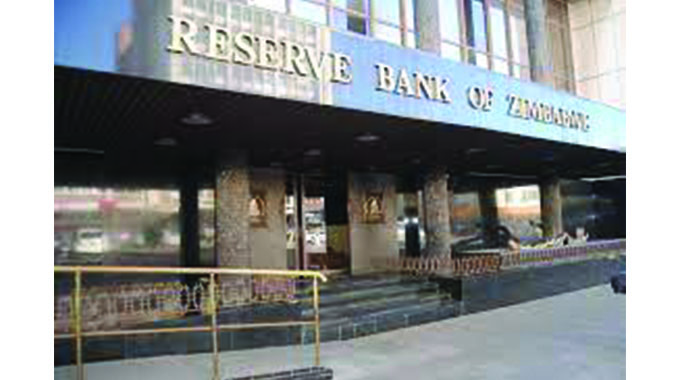
Tedious Ncube, Correspondent
IN recent weeks, public discourse has been inundated with opinions on the Zimbabwean gold-backed currency. At the heart of this debate is the question: what is the correct exchange rate, and why?
To begin with, it is essential to acknowledge that this debate has drawn commentary from all quarters; those who are informed, those who are not, those with vested interests, and those simply adding to the noise.
As a public policy analyst, I will approach this subject from a policy-oriented perspective.
The crux of the exchange rate issue boils down to the difference between monetary policy and economic policy. In this article, I argue that the Reserve Bank of Zimbabwe (RBZ) is being unfairly criticised.
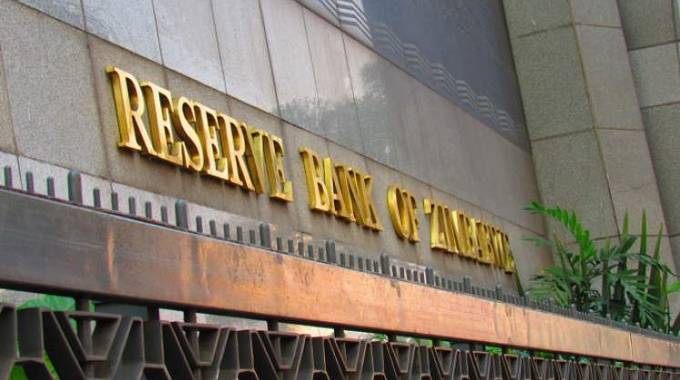
The RBZ has fulfilled its role, and it is unreasonable for certain sectors of the economy to expect the RBZ to provide them with a business strategy. The primary function of the RBZ is not to ensure companies make a profit but to create a stable monetary environment which, in this case, the RBZ has successfully done.
The RBZ has provided numerous instruments and frameworks that the private sector simply needs to utilise. It is also important to clarify that the RBZ is not responsible for economic policy in practice. I am referring to economic policy as implemented by economic actors through their strategies, not just in its blueprint form. The failure of certain sectors to understand this distinction has led to the unfair criticism of the RBZ, often fuelled by politically-motivated activism, which I will not waste time addressing here.
This group of critics has loud voices but limited understanding of how economic and monetary policies truly function. They are masqueraders, stirring up friction on issues they barely comprehend. As a result, ordinary Zimbabweans have become unnecessarily concerned about the fate of the currency, something that should not preoccupy their daily lives.
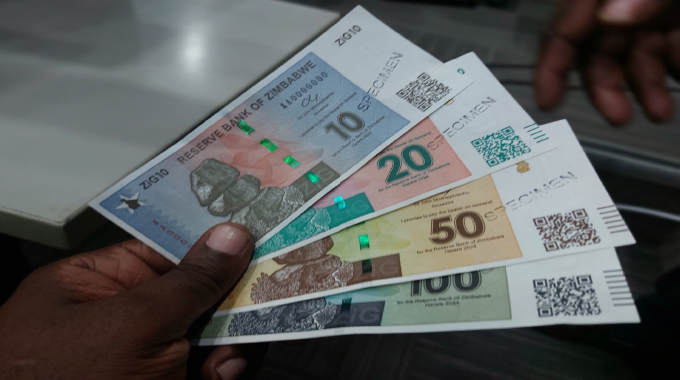
I stand with these people because they are the very ones the RBZ is fighting for. These are the citizens who cannot afford to have the exchange rate fluctuate without reason. The rate should not shift merely because someone, somewhere, believes it should. What drives exchange rate movements? There is a widespread misconception that the exchange rate should increase without any logical basis. A certain group believes and tries to convince others that this should be the case. Avoiding the politics behind it, I will describe this as a behavioural issue among Zimbabweans.
Some believe that when the parallel market exchange rate moves, the formal market should follow suit. But is that really how exchange rate movements occur globally? Shouldn’t we scrutinise the factors driving the parallel market exchange rate and ask if they truly reflect market demands?
Speaking of markets, it has become fashionable to attribute everything to “the markets.” As a firm believer in a market economy, I have taken time to study what that really means. Markets represent a broad system, much larger than what “Alpha” and “Omega” are doing at a street corner.
Yes, their small transactions are part of the market system, but they do not represent the entirety, let alone a significant fraction, of it. Yet, when they determine a rate among themselves and circulate it on social media, some claim this is the market’s decision. Even if their influence grows due to the size of the informal sector, it remains a classic example of the challenges posed by an unregulated sector, which can disrupt the formal economy without benefiting everyone.
All too often, the exchange rate trending on social media is passed off as the legitimate rate when, in fact, it has no real correlation to economic fundamentals. Unfortunately, this is often believed by the public, leading to the acceptance of a baseless rate. Worse still, predatory businesses, which thrive in times of panic amplify these unfounded claims to legitimise their exploitative practices.
These actors cry “currency crisis,” knowing well that it will cause panic buying as consumers try to offload local currency. I won’t even delve into how illegal money changers benefit from such movements, making their businesses more lucrative.
For them, any factor that pushes the exchange rate upward is a blessing.
I recently read a statement from the Retailers Association of Zimbabwe (RAZ), which made several logical points that deserve attention. While I agree with RAZ’s concerns about being affected by parallel market speculation, I believe it is time for retailers and other economic actors to engage with the authorities in finding a long-term solution. While their issue may have a short-term remedy within the bounds of monetary policy, the solution is ultimately beyond that.
The problem facing retailers is multi-dimensional and deeply rooted in economic policy. Retailers need to understand that they are not passive players in the economy; they are key actors whose choices influence the success or failure of economic policy. Their stocking decisions, for instance, directly affect their demand for foreign currency.
Some may argue that retailers source their products locally, but the truth is that many so-called local suppliers are still heavily reliant on imported inputs.
This means that their production chains are tied to external suppliers, creating a high demand for foreign currency. In such a context, even a small shock can disrupt their operations, leading to claims that “the markets have spoken”.
In reality, these manufacturers should be aligning with the Government policy, not just in words but in practice.
These companies have been in business for years, making profits despite the challenges. Yet, we have not seen them invest in universities to develop locally based engineering solutions, nor have they invested in young people to produce the inputs they currently import. Are they saying that in the past 15 years, they have been unable to replace the components that drive their demand for foreign currency? Or are they implying that Zimbabwe lacks the talent and institutions to localise their supply chains?
A long-term solution
An economic value chain must be developed by the very players who benefit from it. The continued demand for foreign currency is a symptom of the failure of these economic actors to invest in local solutions. The painful truth is that the long-term solution to exchange rate fluctuations does not lie with monetary policy but with the economic choices of businesses. Retailers, wholesalers, and manufacturers determine which products they stock, where they source them from, and where public expenditure goes.
Their decisions impact not only their own fate but the fate of the entire economy, including the informal sector. Retailers, wholesalers, and manufacturers have the power to influence where public money is spent, whether it stays local or flows out. A long-term plan is necessary; tantrums and threats will not solve the problem. While the RBZ can offer short to medium-term relief, the long-term solution lies in these actors aligning their business strategies with national policies.
Paying taxes, rent, and employing people is important, but aligning operations with the broader national development strategy is crucial to building a sustainable value chain that benefits everyone.
n Tedious Teddy Ncube is a public policy analyst and entrepreneur.



 Online Reporter