


 Online Reporter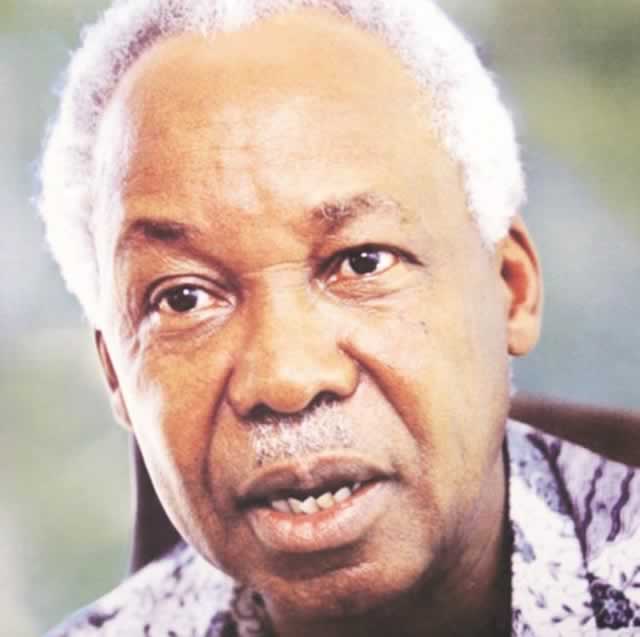
Lt-Col Humphrey Makuyana (Rtd)
There are moments in a nation’s history when remembrance becomes more than a ceremonial obligation — it becomes a moral imperative.
Zimbabwe’s liberation was not achieved in isolation.
It was forged through courage, solidarity, sacrifice and Pan-African brotherhood that extended beyond national borders.
At the centre of this external support was Tanzania, her people and defence forces — the Tanzania People’s Defence Force (TPDF).
Their contribution is woven into the fabric of Zimbabwe’s independence. However, it is often understated in mainstream narratives.
As we reflect on the journey to freedom, it is essential to honour and immortalise the roles played by Tanzania and other Frontline States.
It is also time to formally designate all external liberation training camps as African liberation heritage sites, ensuring that future generations understand the international solidarity that made Zimbabwe’s independence possible.
Tanzania: A beacon of African solidarity
From the onset of Africa’s liberation era, Tanzania positioned itself as a sanctuary for oppressed peoples, driven by the visionary leadership of Mwalimu Julius Kambarage Nyerere.
Tanzania’s geographic, political and ideological posture made it the natural headquarters for liberation movements across Southern Africa, including Zimbabwe.
While numerous nations sympathised with oppressed peoples, Tanzania acted.
At great economic and security cost, it opened its military facilities, political space, land for refugee camps, diplomatic channels and limited national resources to help ensure the success of liberation movements.
This was not charity. It was Pan-African conviction — rooted in the belief that Africa’s freedom must be collective, indivisible and grounded in shared dignity.
TPDF: The shield and backbone of Zimbabwean cadres
The TPDF must be acknowledged as one of the most influential external forces in Zimbabwe’s liberation.
Through direct training, military protection and logistical support, the TPDF shaped the early wings of Zimbabwe’s liberation armies, both ZANLA and ZIPRA.
Key contributions of the TPDF included:
Establishing and securing training bases
Training camps such as Mgagao, Bagamoyo, Nachingwea, Morogoro and Chunya served as the intellectual and military foundation of the armed struggle.
Providing military instructors
Tanzanian officers shared battlefield knowledge and experiences, discipline, guerrilla tactics, political education, ethics and command structures with Zimbabwean freedom fighters’ cadres.
Defending liberation movements
The TPDF protected training bases against foreign sabotage, hostile infiltration and regional threats.
Coordinating logistics and weapons movement
A liberation army cannot function without supplies — Tanzania ensured a reliable corridor for arms and humanitarian support.
Through these sacrifices, the TPDF became more than an ally; it became a partner in liberation.
Unsung heroes
While military and political support was visible, the ordinary Tanzanian people quietly carried the heaviest load.
They shared their communities with thousands of freedom fighters, political refugees, injured combatants, students, women and children displaced by the war.
Tanzanian families shared food during periods of scarcity, water from local wells, schools for Zimbabwean children, land for temporary camps and emotional support for the fighters far from home.
Their generosity had no conditions, no political agendas and no demands for repayment.
Theirs was solidarity in its purest form — African humanity. Ubuntu at work.
Diplomatic shield
Beyond the camps and military support, Tanzania fought for Zimbabwe at diplomatic front lines.
Mwalimu Nyerere consistently championed the liberation of Zimbabwe at the Organisation of African Unity (which was succeeded by the African Union), the United Nations, the Commonwealth and the Non-Aligned Movement.
Tanzania’s moral authority helped legitimise Zimbabwe’s liberation cause and mobilise global opinion against colonial oppression.
Mwalimu Nyerere’s famous declaration, “Our freedom is incomplete while our brothers remain oppressed”, became the moral anthem of Pan-African solidarity and guided Tanzania’s foreign policy.
Supporting liberation was costly.
Tanzania bore immense burdens for liberation movements:
Economic strain
As a developing country, Tanzania redirected scarce resources — food, medicine, fuel and infrastructure — to Zimbabwean fighters and refugees.
Military exposure
The TPDF faced the risk of cross-border attacks, sabotage and political hostility from colonial regimes.
Human loss
Some Tanzanian soldiers and civilians died during operations related to supporting Southern African liberation movements.
Developmental delays
Decades of sacrifice slowed Tanzania’s domestic growth, yet it never abandoned its Pan-African commitments. Such sacrifices require not only remembrance but institutional honour.
Zimbabwe’s independence: A victory shared with Tanzania
When Zimbabwe raised her national flag on April 18, 1980, it symbolised the triumph of Zimbabwean resilience — but also the success of a Pan-African alliance. Zimbabwe’s independence is inseparable from the soil of Tanzanian training grounds, the guidance of TPDF instructors, the warmth of Tanzanian communities and the diplomatic firepower of Mwalimu Nyerere.
This victory belongs not only to Zimbabweans, but also to the Tanzanians who sacrificed so much for it.One of the most meaningful ways to honour Tanzania’s contribution is to formally recognise all external liberation training camps as protected liberation heritage sites across Africa.
This includes key camps in:
Tanzania: Mgagao, Morogoro, NaChingwea, Bagamoyo, Chunya and Itumbi
Zambia: Freedom Camp, Mkushi and Mboroma
Mozambique: Chimoio, Mavonde, Tembwe, Chibabawa, Nyadzonya
Angola: Mboma and Malanje, among others.
Botswana refuge transit camps.
Why designate these as heritage sites?
To preserve liberation history for future generations: Many young Zimbabweans and Africans do not know the geography of their freedom. Heritage status protects these sites from decay and erasure.
To honour host nations and their sacrifice: Tanzania and other Frontline States deserve official recognition for their central role.
To promote Pan-African unity and shared memory: A documented, protected liberation trail strengthens African identity.
To enable academic research and historical tourism: These sites can become centres for learning, museums and Pan-African heritage tourism.
To reinforce international solidarity: Institutional recognition reaffirms Zimbabwe’s gratitude to its allies. This is long overdue.
Strengthening ties between Zimbabwe and Tanzania
Remembrance must go beyond symbolic gestures.
Zimbabwe and Tanzania can build on liberation ties through joint cultural festivals, student exchange programmes, joint defence training, economic partnerships, tourism collaborations involving liberation heritage sites and shared research centres on Pan-African liberation history. The sacred relationship built in war should flourish in peace.
As Zimbabwe reflects on its liberation journey, the nation must never forget the priceless contributions of Tanzania and the TPDF.
Their sacrifice was deep, unwavering and grounded in the highest ideals of African unity.In honouring them, Zimbabwe honours itself and the truth of its own liberation story. We remember. We acknowledge. We honour. We preserve. And we recommend that all liberation training camps in Tanzania and other Frontline States be officially designated as external liberation historical heritage sites — a lasting tribute to the nations and peoples who walked with Zimbabwe through its darkest and most hopeful hours.



