Online Reporter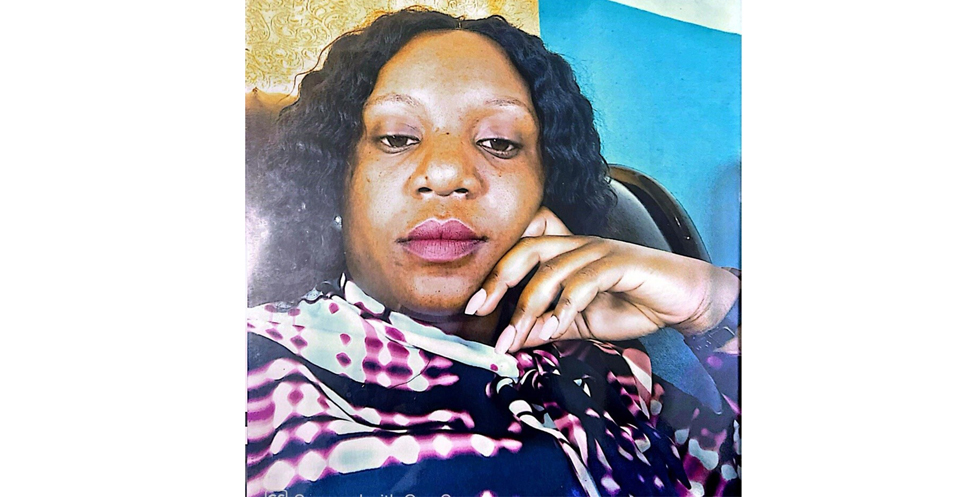
Lloyd Makonya
Correspondent
AS Zimbabwe inches closer to commemorating Heroes Day, the national mood is one of reflection, gratitude, and remembrance.
While much is rightly said of the gallant male fighters who sacrificed life and limb for the country’s independence, the hillside of the Manicaland Provincial Heroes’ Acre reminds us of a truth often left unsaid that the liberation struggle was not a male-only battleground.
Of the 429 graves at this sacred provincial shrine, 68 belong to women, a solemn testament that Zimbabwe’s war for freedom was fought by both sons and daughters of the soil.
These heroines were not mere helpers or messengers.
They were soldiers, intelligence operatives, medical aides, political educators, and mobilisers.
They carried guns, endured torture, crossed borders under the cover of darkness, and died for the dream of a free Zimbabwe.
The first woman to be buried at the Manicaland Provincial Heroes’ Acre was Cde Dorcas Tabitha Tholana, whose Chimurenga name was Kudzai Tholana.
Laid to rest on September 21, 1991, hers was only the second burial at the site after Cde Major Thomas Mhlanga, interred three months earlier.
But Cde Tholana’s place in the liberation story is not merely marked by sequence, it is symbolic.
Her burial shattered the illusion that war was only a man’s world. Her grave, like those of the 67 other women buried since, is a chapter in a story that must be retold with pride and clarity.
Among the more recent interments is that of Cde Caroline Mudawariwo-Tichawangana, who was laid to rest as the 399th hero at the site.
Born in 1989, nine years after independence, she is the only heroine buried there who was born after the liberation war.
Her inclusion reflects a powerful truth that Zimbabwe continues to recognise heroism in all its evolving forms, from the armed struggle to today’s fight for economic emancipation, equity, and dignity.
The evolving nature of heroism invites us to look, not only at what was fought for in the past, but what must still be fought for today.
Land has been repossessed, yes, but the struggle continues now in boardrooms, classrooms, farms, and factories.
Women remain at the centre of this continued quest liberation, just as they were in the first.
Yet for all their sacrifice, many women freedom fighters remain unsung.
Their names rarely grace public monuments or textbook chapters.
Their faces are seldom carved in stone or projected in televised documentaries.
At Manicaland’s provincial shrine, their graves speak volumes, each one a monument to courage, resilience, and patriotism.
As Zimbabwe prepares to honour its heroes and heroines this August, let us remember that the soil beneath our feet was not only soaked with the blood of brave men, but also of courageous women who dreamed of a just and equal nation.
Their struggle is not over and neither is our duty to remember.