Online Reporter
Nqobile Bhebhe, Senior Business Reporter
ZIMBABWE is endowed with natural resources, but is increasingly facing energy challenges with demand outstripping output.
The country is, however, turning to renewable energy sources to promote sustainability and reduce dependence on fossil fuels.
As the global community confronts the effects of climate change, Zimbabwe’s shift towards renewable energy is timely.
While the potential for renewable energy in Zimbabwe is immense, the journey toward long-term sustainability is, however, marked by both opportunities and significant challenges.
Zimbabwe possesses a wide array of renewable energy sources — including solar, hydro, biomass and wind.
The country’s geographical position in a region with high solar radiation levels makes solar power one of the most viable energy options.
Estimates show Zimbabwe receives an average of 5,5 – 6,5 kWh/m² of solar energy daily.
Technological advancements in solar photovoltaic (PV) systems, along with declining panel costs, are making solar energy increasingly affordable.
Local companies and international partners are investing in solar PV installations, ranging from small-scale rooftop systems for households to large solar farms for commercial use.
Hydropower also remains an important energy source.
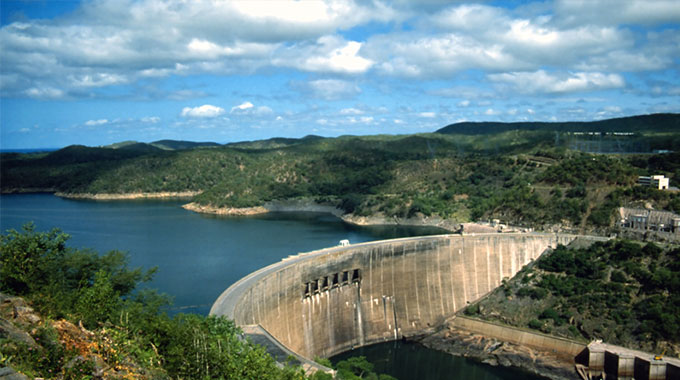
The Lake Kariba, one of Africa’s largest reservoirs, has historically supplied a significant portion of Zimbabwe’s electricity.
However, hydroelectricity is under threat from climate variability, recurrent droughts and declining water levels.
Biomass, including agricultural residues and wood, is another key renewable resource. It is already being utilised, particularly in rural communities, for cooking and heating.
The Government has recognised the importance of renewable energy in achieving energy security and addressing climate change.
Through the Zimbabwe National Renewable Energy Policy, the state aims to reduce its dependence on costly fossil fuels and improve energy access, especially in under-served rural areas.
The Zimbabwe Renewable Energy Strategy (2012-2030) targets an increase in renewable energy generation capacity to 3 000 MW by 2030, focusing on solar and wind expansion.

Despite these strong policy frameworks, challenges still remain.
At the International Renewable Energy Conference held recently in Victoria Falls, experts and stakeholders highlighted several future sustainability obstacles.
A key challenge is financial.
Lack of investment, policy and regulatory gaps, infrastructure challenges high initial costs and limited technical expertise are some of the impediments cited towards future sustainability.
Engineer Arnold Makoni, an independent energy consultant, said although the country has a Renewable Energy Policy (2019), inconsistent application and delays in approving independent power producer (IPP) licences discourage development.
“The national grid, managed by ZETDC, suffers frequent breakdowns and lacks the capacity to integrate decentralised solar generation efficiently. The existing energy infrastructure is outdated and inefficient, limiting the capacity to integrate renewable energy into the national grid.
“While there is progress in increasing the use of off-grid solar energy solutions, particularly in rural areas, there is still a need to invest in modern infrastructure and smart grid systems to ensure the effective and reliable integration of renewable energy,” said Eng Makoni.
He added that potential investors are of the view that initial start-up capital outlay is too high.
“For instance, starting a 1 MW solar project can cost US$900 000 to US$1,2 million, depending on site, equipment and logistics.

“This is often unaffordable without foreign currency or financing”, he said.
Mr Makoni also emphasised the vulnerability of Zimbabwe’s energy sector to climate change.
“Prolonged droughts and changing rainfall patterns have already reduced the availability of water resources for hydropower generation. In addition, irregular weather patterns could affect the predictability of solar and wind power generation.
“This makes it important for the country to develop a diversified energy portfolio that includes a mix of renewable sources to buffer against the uncertainties of climate variability.”
Addressing delegates, Vice-President Dr Constantino Chiwenga, pointed to shortages of storage energy facilities as a potential challenge.
He called on stakeholders across the energy value chain to urgently invest in energy storage infrastructure, emphasising that the era of “producing and letting go” is over.
“I urge producers to invest in storage facilities. This is a critical area that we want to see the private sector, financiers and all stakeholders taking a keen interest,” he said.
“We cannot produce and then let go. Therefore, the issue of storage of the power produced is critical,” said Dr Chiwenga.
Despite these challenges, there are promising opportunities for Zimbabwe to build a more sustainable energy future.
Delegates at the conference expressed optimism about solar energy’s potential, particularly in rural areas.
“With the declining costs of solar panels and batteries, as well as the government’s commitment to promoting solar energy, Zimbabwe has the potential to leapfrog traditional energy systems and become a leader in solar power.
“In addition, the growing popularity of solar-powered irrigation systems in agriculture can support rural livelihoods and boost food security,” said Dr Karen Kirton, an energy consultant.
VP Chiwenga stressed the importance of regional cooperation. “By pooling resources and enhancing cross-border energy trading, we can improve regional energy security, reduce costs and leverage our collective strengths.
“Furthermore, efforts are underway to interconnect the SAPP with the East African Power Pool, opening new avenues for regional collaboration in energy supply and distribution.”
Zimbabwe’s agricultural economy also presents an opportunity to tap into biomass energy.
Mrs Cynthia Makarika, another delegate, said the country produces significant amounts of agricultural waste, which can be used to generate energy.
“By promoting sustainable practices in biomass energy production, such as responsible harvesting and replanting of trees for bioenergy, Zimbabwe can reduce deforestation and promote cleaner energy sources in rural areas,” she said on the sidelines of the conference.
Permanent Secretary in the Ministry of Energy and Power Development, Dr Gloria Magombo, emphasised that renewable energy adoption is critical for closing the energy access gap.
Falling prices for solar panels and innovations in microgrid technologies offer new opportunities, which should be capitalised on.
Public-private partnerships, international financing and policy support through incentives and subsidies can help drive investment and reduce dependency on imported fuels, she added.
“Renewables are sustainable, and they have a future in the country. Over the years, we have seen that a lot of people have turned to renewables, even for domestic use. Renewable energy has two main advantages, it can be scaled up and its use can be continued over time.”
She noted significant improvements in energy storage technologies:
“Battery technology and energy storage systems have evolved. Previously, gel and lead-acid batteries were expensive and only lasted two to three years.
“But now, lithium-ion batteries can last over 10 to 15 years. If you invest in a proper battery, you will have a renewable energy supply that can last well over a decade before needing replacement.”
“We have seen that consumers themselves are now investing in renewables to ensure their own energy security, which also eases the burden on the national utility. For us, the use of renewable energy is very critical.”
Another delegate, Engineer Chiedza Shonhiwa, is of the view that the surge of foreign investment into the renewable energy sector is a game-changer, signalling strong global confidence in the country’s clean energy potential.
“With abundant solar and hydro resources, Zimbabwe is poised to become a regional leader and a reliable alternative energy hub for Southern Africa.
“This wave of investment brings more than just funding. It brings innovation, green jobs, industrial growth and long-term energy security.
“As the country moves toward reducing its dependence on fossil fuels, renewable energy is no longer just an option. It is the future.
“Therefore, the country is boldly positioning itself at the forefront of the continent’s sustainable transformation, lighting the way to a cleaner, more resilient energy future.”