Tinaye Agere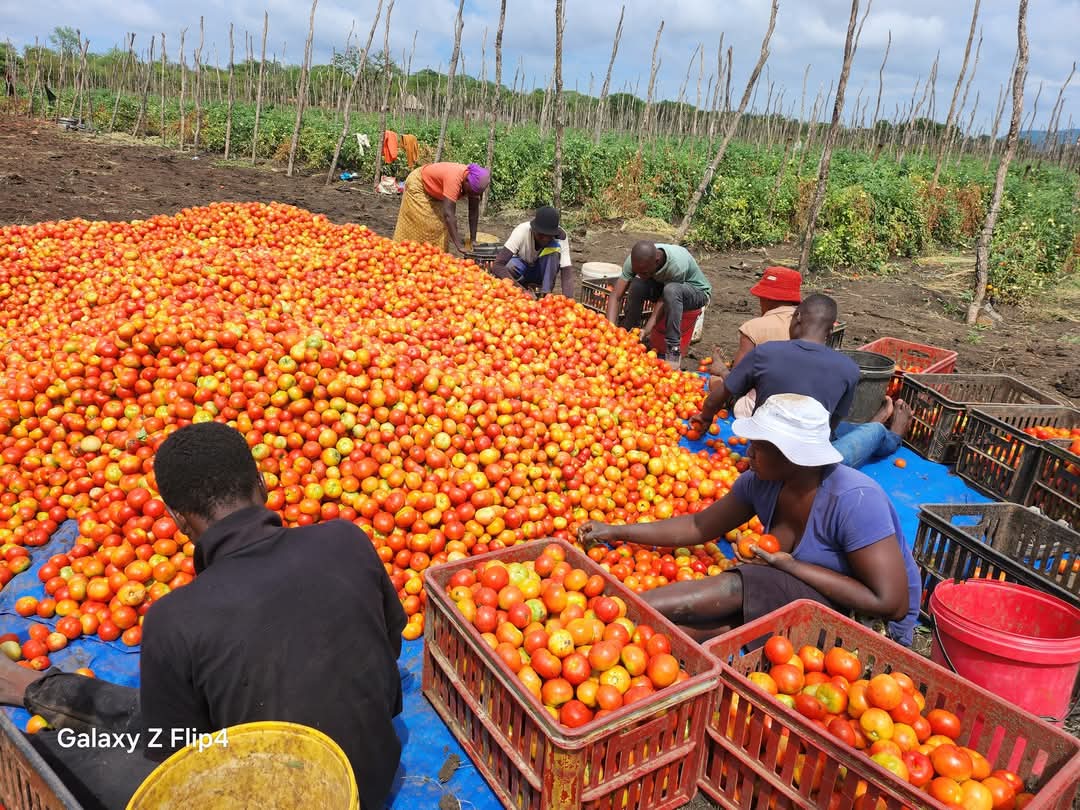
Theseus Shambare
Mudzi and Mutoko districts — areas once emblematic of drought, poverty and dependence on donor aid — are rewriting their narrative and fast becoming vibrant examples of what grassroots innovation and unity can achieve.
These arid districts have for long grappled with the harsh realities of climate change.
However, communities in these areas now boast modern homes, thriving agricultural activities and a burgeoning spirit of entrepreneurship.
Turning point
The seeds of this transformation were sown in 2021 when a seemingly small incident became the catalyst for change.
Mr Takudzwa Muranganwa, of Shinga village, in Ward 4, found himself excluded from a food aid distribution list, leading to a public confrontation over a bag of maize meal.
The humiliation of that moment, which left him with loose teeth, ignited a community-wide realisation: the people of Mudzi and Mutoko needed to take control of their destiny.
This collective awakening gave birth to the Pathfinders Club, a cooperative of 40 villagers committed to self-sufficiency. Rather than waiting for the Government or donor support, they took matters into their own hands, pooling resources from the sale of traditional grains to fund the drilling of boreholes and bring clean water to every household. This led to a remarkable turn of fortune.
Once-barren fields now host vibrant nutrition gardens.
“We have never seen such bountiful harvests,” said Gogo Susan Sirewu.
“Our children are healthier, and we have started selling our surplus to nearby markets.”
The surplus produce now finds its way to markets in nearby Kotwa Business Centre and even attracts customers from across the border in Mozambique.
The cooperative expanded its vision, introducing fruit orchards, fish farming and poultry production, establishing sustainable agricultural practices that are a model for the region.
Today, Pathfinders’ innovations extend beyond agriculture. Renewable energy solutions, including solar power and biogas digesters, now provide electricity and cooking fuel, reducing reliance on firewood and enhancing quality of life.
Their communal grinding mill, powered by solar energy, is a symbol of the community’s commitment to sustainable progress.
Moreover, improved agricultural practices and access to technology are creating ripple effects across the community.
With better yields and diversified farming ventures, many families can now afford to build modern, solar-powered homes with running water and flush toilets — an impressive departure from the once-prevalent mud rondavels.
Resilient
According to Mudzi district agriculture extension officer Mr Mark Tsabora, who coordinates the Pathfinders’ business efforts, the cooperative has proven resilient in the face of climate change.
“The beginning of this initiative was so funny yet visionary,” he said.
“Some despised the idea, underestimating the value of small grains.”
Over the past two seasons, cooperative members have pooled together more than US$1 500 to drill another borehole.
The money is being kept in the club’s bank account.
“A number of farmers have already invested in solarisation, leading to increased water availability for both agricultural activities and household use,” added Mr Tsabora.
“Out of 40 cooperative members, 30 had their boreholes drilled, with an additional 18 expected to be completed soon.
“Some members have taken a step further to drill additional boreholes independently to ramp up production.” The Government, he said, has also played a crucial role in supporting these community-driven efforts.
“The Government has established the Masenda Village Business Unit in Chimango village, where a borehole has been solarised and two 5 000-litre tanks installed,” he added.
“However, the completion of fencing is still pending to fully operationalise the unit.”
What started as a solution to a pressing problem of drinking safe water and food shortages has blossomed into a movement that is transforming the entire community.
Sustainable
With support from the Fisheries and Aquaculture Resources Department, Pathfinders members have also ventured into fish farming. Tilapia fingerlings, provided at no cost, have enriched diets and created new income streams.
Founding members John and Martha Kapfunde have turned their enterprise into a community model.
“We stocked 1 200 fingerlings in our first pond,” said Mr Kapfunde.
“Our enterprise has become a model for the local community, where people come to learn.
“We have since stocked our third fishpond, which is now bigger and better. This is the fourth time we have harvested.”
The couple’s harvest averages 250 grammes per fish, with each pond’s harvest grossing no less than US$3 500. “We are now striving to master best practices so that we can reach a gross of at least US$7 000 per pond stocked with 2 000 fingerlings,” he said.
Experts say, when high-quality fingerlings are stocked and good agronomic practices are followed, a farmer needs only six months to harvest, spending an average of US$150 per month on feed. This cost can be reduced if a farmer uses on-farm feed.
Poultry farming has become another lucrative venture for the community. The sale of eggs and live chickens has provided funds for school fees, healthcare and other essential needs for the villagers.
“We can now afford to send our children to school,” said Mrs Chiwoneso Furidzo, a local farmer.
The community has also embraced small livestock farming, raising goats and pigs.
These animals provide meat, while their manure is used to fertilise the gardens.
Transformation
Driving through Mudzi and Mutoko today reveals a striking transformation.
Solar-powered homes with flush toilets, running water and manicured lawns have become commonplace. These developments, once the hallmark of retirees living abroad, are now driven by enterprising local youths and middle-aged individuals leveraging agricultural success to fund modern housing projects.
These enterprising individuals, initially focused on small-scale grain production, have diversified into other income-generating ventures, fuelling their ability to build these impressive structures. One might assume that such sophisticated buildings could only be erected by established construction companies.
Local individuals, rather than established construction companies, are building these sophisticated homes, underscoring a remarkable entrepreneurial spirit.
The Pathfinders’ story has resonated beyond their community, inspiring neighbouring villages and districts to adopt similar initiatives.
Once isolated, Mudzi and Mutoko are becoming hubs of innovation and progress.
Their journey from drought and dependence to self-reliance and transformation illustrates what is possible when communities unite with a shared vision.



 Online Reporter