Online Reporter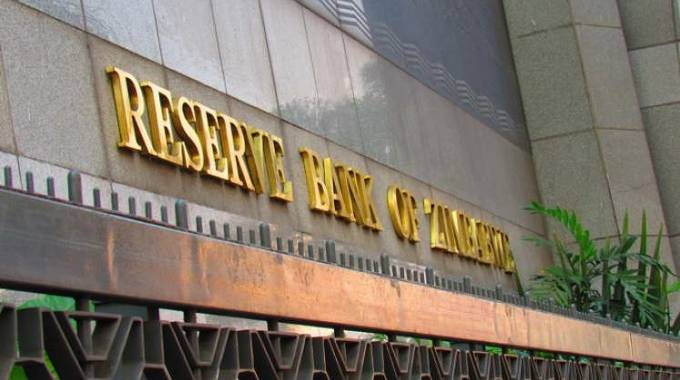
THE 22 percent rise in foreign currency inflows last year, a drought year it must be remembered when looking at agricultural exports, to a record US$16,2 billion has been securely anchored on rising exports.
This strong foreign currency position, giving Zimbabwe a healthy positive on the current account, means that along with solid measures taken by the Reserve Bank of Zimbabwe, with enthusiastic and essential Government backing, many of the pressures that were so serious in the past have eased significantly, or even been eliminated in some cases.
This is allowing Zimbabwe to build up its foreign currency reserves to around US$1,2 billion, enough to cover one month and a bit of imports, and twice the value of all ZiGs in circulation or in banks.
This is despite the increasing use of ZiG in local transactions, accounting for up to 40 percent.
With exports bringing in almost US$10 billion last year, they were able to anchor the growth of foreign currency inflows.
In fact, total inflows have tripled from the US$5,5 billion in 2017 when the Second Republic took office and started the process of using sound economics to rebuild and then expand the economy.
But exports now account for almost double the total 2017 figure, showing the stress the Second Republic has placed on earning the foreign currency.
Loan funds, generally for the private sector, diaspora remittances and incoming investments account for the other 40 percent of the foreign currency earnings, but exports are a direct result of Zimbabwean farmers, miners and industrialists selling real things around the world.
This push for making money through exports can be seen when last year’s exports were not much under the total inflows of around US$11 million as recently as 2023.
The fact that new records are now regularly broken has shown that the emphasis by the authorities, Reserve Bank and the fast growing private sector has moved almost entirely to economic expansion, while maintaining the sound economic measures that fixed the systems and then allowed the take off.
The dramatic rise in exports has also been fuelled by the Government policy of adding value to a commodity before it is sold and shipped abroad.
Almost all exports start with Zimbabwean farmers harvesting the desirable crops, or Zimbabwean mineworkers operating the machinery that extracts the ores. So the exports are built on Zimbabweans earning money.
Adding value means there are more jobs in milling plants, refineries and finally factories, a lot more real people earning real money. And when we look at the statistics, we need to keep in mind all those Zimbabweans who are creating and earning the wealth.
That also explains why the authorities are morally, as well as economically, bound to ensure other measures work, such as low inflation, so what the people earn they can keep, and a rational exchange rate so the wealth ends up in producers, not manipulators.
What is economically important is almost always vital to the people who do the actual production of the wealth.
The Second Republic has placed huge emphasis on making it all fit together properly so that the ordinary people win through.
For the first time in many years we now have a stable local currency, the ZiG, and one reason it is stable is that the Reserve Bank with sound monetary policies and the Government, with its sound fiscal policies, are singing from the same hymn-sheet and making it work.
One modest little figure in the Reserve Bank statement last year perhaps sums up the scale of the changes made in recent years. Reserve Bank financing of the Government was zero, absolutely nothing.
That zero figure sums up the totality of many reforms, starting with the Government determined to live within its means, largely from taxes, and the Reserve Bank dumping its quasi-fiscal messing around and doing what central banks are supposed to do, building and managing the reserves and maintaining a sound local currency that people actually want to use.
Government and the Reserve Bank also need to ensure that the systems work, so Zimbabweans can make money and create wealth.
It has been a central plank of the Second Republic that this dichotomy was not going to happen, at least on President Mnangagwa’s watch, and despite what must have been some nerve-wracking moments at times, the Second Republic has held firm to its total commitment to following orthodox economics and creating the proper systems.
The Government cut a thick slice of the budget, with its proper fiscal discipline, to fund infrastructure, possible because a proper capital budget was now possible.
The policy was then that the people of Zimbabwe, backed by investors and others, would be able to turn their talents to increasing the value of what they produced and to producing a lot more. The people took up the challenge, and the results are now pouring in.
“New economic record” is no longer a surprising headline in the news.
It tends to turn up ever more frequently, but reflects what happens when you have the right economic policies and a hard-working people who grab the opportunities now created.